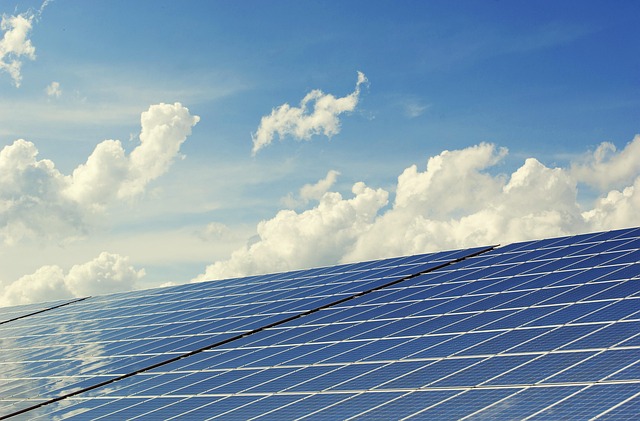

Nine in 10 UK Households Looking for Solar Panels, Home Batteries or Heat Pumps
The UK’s residential energy landscape is shifting fast. More than nine in ten households are now considering solar panels, home batteries, or heat pumps as part of their energy mix. This surge is driven by rising electricity costs, government incentives, and a collective push toward net-zero emissions. Home solar systems have become the cornerstone of this transition, offering households autonomy from volatile energy markets while contributing to national energy security. The trend signals not just a consumer preference but a structural transformation in how the UK produces and consumes power.
The Strategic Role of Home Solar Systems in the UK’s Energy Transition
The transition to low-carbon energy in the UK is no longer confined to large-scale wind farms or offshore projects. It increasingly depends on household participation through small-scale generation technologies such as rooftop solar.
The Shift Toward Decentralized Energy Generation
The UK’s move from centralized fossil fuel generation to distributed renewable systems represents a major structural realignment. Traditional power stations once dominated supply; now, local generation and smart grids are reshaping the flow of electricity. Home solar systems play a vital role by generating clean power directly where it’s used, reducing transmission losses and easing grid congestion. This decentralization also enhances resilience—communities can maintain partial functionality even during grid disturbances.
Local Energy Resilience and Grid Flexibility
Solar-equipped homes act as micro power plants that contribute to grid stability. When combined with battery storage, these systems allow households to store excess daytime energy for evening use or even feed it back into the grid through schemes like the Smart Export Guarantee (SEG). This flexibility helps balance supply and demand locally and reduces reliance on central dispatchable generation.
Policy Frameworks Promoting Household-Level Energy Production
UK policy has evolved to encourage domestic renewable adoption through mechanisms such as VAT reductions on solar installations and simplified planning rules for rooftop systems. Local authorities also support community-led energy projects that integrate home solar into broader regional decarbonization plans.
The Interconnection Between Solar Adoption and National Energy Security
As global fuel markets remain volatile, domestic renewable capacity offers an essential buffer against external shocks.
Reduction in Dependency on Imported Gas and Oil Through Domestic Solar Generation
By producing electricity locally, home solar systems reduce the need for imported natural gas—still a significant component of UK power generation. Each kilowatt-hour generated domestically displaces fossil-based imports, improving trade balance and lowering exposure to geopolitical risks.
Solar as a Stabilizing Factor Against Global Energy Price Volatility
Households equipped with solar panels shield themselves from wholesale market swings. Over time, this stabilizing effect at scale contributes to national price moderation by reducing peak demand pressures on centralized infrastructure.
Aggregated Residential Solar Capacity Supporting Grid Stability
When aggregated through digital platforms or virtual power plants (VPPs), thousands of small solar units can collectively provide ancillary services such as frequency regulation or reactive power support—functions traditionally handled by large generators.
Economic and Policy Drivers Behind Household Solar Adoption
The economics of home solar are increasingly favorable due to both falling technology costs and supportive policy frameworks.
Government Incentives and Regulatory Frameworks
The Smart Export Guarantee ensures homeowners receive payments for surplus electricity exported back to the grid. In addition, VAT reductions make installations more affordable. Planning reforms have simplified approvals for rooftop arrays under permitted development rights, further lowering administrative barriers.
Market Dynamics Influencing Consumer Decisions
Rising retail electricity prices have made self-generation financially attractive. At the same time, photovoltaic module costs have dropped sharply over the past decade due to global manufacturing scale-up. Battery storage prices follow a similar trajectory, allowing consumers to maximize self-consumption rather than exporting at lower tariffs.
Financial Models: Leasing, Power Purchase Agreements, and Community Ownership Structures
Innovative financing models now enable wider access to clean technologies without upfront capital expenditure. Leasing arrangements or community-owned schemes distribute costs across participants while delivering measurable carbon savings.
Technological Integration: From Solar Panels to Smart Energy Systems
Integration defines the next phase of residential energy evolution—linking generation, storage, heating, and mobility into cohesive smart ecosystems.
The Convergence of Solar, Storage, and Heat Pump Technologies
Combining home solar systems with batteries and heat pumps allows full electrification of household needs. Daytime solar output can charge batteries or drive heat pumps for space heating, cutting reliance on gas boilers entirely.
Optimizing Self-Consumption Through Integrated Energy Management Systems
Smart controllers coordinate when appliances operate based on available solar production or tariff signals. For instance, washing machines may run midday when panels generate excess power instead of during evening peaks.
The Role of Smart Meters and IoT-Enabled Devices in Demand-Side Response
Smart meters provide real-time consumption data that enables dynamic pricing participation. Internet-connected devices adjust automatically in response to grid conditions—collectively forming an adaptive demand-side network that supports system stability.
Advances in Battery Storage for Residential Use
Battery technology has matured rapidly with higher energy density and longer lifespans now standard features for residential units.
Evolution of Lithium-Ion and Alternative Chemistries for Home Applications
Lithium-ion remains dominant due to cost efficiency; however, emerging chemistries like sodium-ion promise improved safety profiles and reduced reliance on critical minerals such as cobalt.
Grid Services Enabled by Distributed Storage Assets (e.g., Frequency Regulation)
Aggregated household batteries can deliver valuable services including frequency response or voltage control—functions once exclusive to utility-scale assets—thereby monetizing flexibility at the consumer level.
Lifecycle Management, Recycling, and Sustainability Considerations for Batteries
End-of-life management is critical as deployment scales up. Recycling programs recover valuable metals while second-life applications repurpose used cells for stationary storage before final material recovery.
Grid Implications of Widespread Home Solar Deployment
The proliferation of distributed generation introduces both opportunities and technical challenges for system operators.
Managing Distributed Generation at Scale
Integrating variable rooftop output requires sophisticated forecasting tools and advanced inverter technologies capable of autonomous voltage regulation within local networks.
Importance of Digital Grid Management Tools Such as Virtual Power Plants (VPPs)
VPP platforms aggregate dispersed assets into controllable fleets that respond collectively to market signals or grid operator commands—bridging the gap between small producers and system-level coordination needs.
Grid Balancing Through Peer-to-Peer Trading and Community Microgrids
Emerging peer-to-peer trading frameworks allow neighbors to exchange surplus electricity directly using blockchain-enabled settlement systems. In rural areas, microgrids enhance reliability where traditional reinforcement would be costly.
Enhancing Grid Resilience Through Localized Energy Networks
Localized networks strengthen resilience against both physical disruptions and cyber threats by decentralizing control structures.
Decentralization as a Strategy for Reducing Transmission Losses and Congestion
Shorter transmission distances mean less wasted energy; localized balancing also defers expensive network upgrades otherwise required by rising peak loads.
Microgrid Potential for Rural or Remote Communities in the UK Context
Remote villages in Scotland or Wales increasingly deploy community microgrids integrating home solar systems with shared battery banks—offering dependable supply despite challenging terrain or weather conditions.
Role of Distributed Generation During Extreme Weather or Grid Outages
During storms or outages, homes with PV plus storage can sustain essential loads independently until central service restoration—a growing concern amid climate-related disruptions.
Environmental Impact and Long-Term Sustainability Considerations
Beyond economics lies environmental accountability—the ultimate measure of success in decarbonization efforts.
Carbon Reduction Potential from Residential Solar Systems
Each typical 4 kW rooftop installation offsets roughly one tonne of CO₂ annually compared with grid electricity derived from gas-fired generation. Scaled nationally, this represents millions of tonnes avoided emissions contributing directly toward Climate Change Act targets.
Contribution to National Net-Zero Targets Under the Climate Change Act Commitments
Residential renewables form a key pillar within statutory carbon budgets; their cumulative contribution bridges gaps left by slower industrial decarbonization sectors such as aviation or heavy transport.
Comparative Lifecycle Emissions Versus Other Renewable Technologies
Lifecycle analyses show PV modules produce significantly less CO₂ per kilowatt-hour than wind turbines when adjusted for material intensity over operational lifespan—a testament to ongoing efficiency improvements across manufacturing chains.
End-of-Life Management and Circular Economy Opportunities
Recycling infrastructure must evolve alongside deployment volumes to prevent future waste challenges from today’s installations.
Recycling Processes for PV Modules and Electronic Components
Mechanical separation combined with chemical recovery extracts silicon wafers, glass, aluminum frames, and precious metals from decommissioned panels with recovery rates exceeding 90 percent under advanced EU processes (per IEA PVPS reports).
Design Innovations Aimed at Extending System Lifespan and Recyclability
Manufacturers now design modules using detachable junction boxes or lead-free solders facilitating easier recycling while extending durability beyond 30 years operational expectancy.
Policy Measures Supporting Circular Supply Chains Within the Solar Industry
Extended producer responsibility schemes encourage manufacturers’ participation in take-back programs ensuring closed-loop material circulation consistent with circular economy principles promoted under ISO 14040 standards.
Future Outlook: Toward an Energy Independent United Kingdom
Energy independence will hinge on scaling distributed renewables across all housing segments while integrating them seamlessly into national infrastructure planning frameworks.
Scaling Residential Solar Adoption Across the Nation
Forecasts suggest rooftop capacity could exceed 70 GW by 2035 if current policy momentum continues—a figure sufficient to meet nearly one-fifth of domestic electricity demand without new fossil inputs. Integration with EV charging points will further align mobility electrification with local renewable generation patterns.
Integration With Electric Vehicle Charging Infrastructure for Holistic Decarbonization
Coupling EV chargers with home solar systems allows vehicles themselves to function as mobile storage units via vehicle-to-home (V2H) interfaces—balancing household loads dynamically throughout daily cycles.
Collaborative Roles of Households, Utilities, and Policymakers in Achieving Energy Independence
Achieving full independence demands coordinated action: households adopting clean tech; utilities modernizing distribution networks; regulators maintaining stable long-term frameworks that reward flexibility rather than sheer capacity expansion alone.
Strategic Recommendations for Industry Stakeholders
To sustain momentum toward nationwide electrification goals:
- Increase R&D investment into advanced PV materials like perovskites offering higher efficiencies at lower embodied carbon cost;
- Provide transparent performance certification enabling consumers’ informed choices;
- Develop interoperability standards so decentralized assets communicate seamlessly within digital grids aligned with IEC 61850 protocols.
FAQ
Q1: Why are so many UK households turning toward home solar systems?
A: Rising electricity bills combined with strong government incentives make self-generation financially attractive while improving resilience against market volatility.
Q2: How does battery storage enhance residential solar benefits?
A: It allows homeowners to store daytime surplus energy for nighttime use or sell it back during peak demand periods through smart export schemes.
Q3: Are planning permissions still required for rooftop installations?
A: Most domestic rooftops fall under permitted development rights unless located within conservation zones requiring additional consent procedures.
Q4: What happens when old panels reach end-of-life?
A: They undergo recycling where materials like glass and silicon are recovered under regulated waste management frameworks ensuring minimal landfill impact.
Q5: Can widespread adoption strain existing grid infrastructure?
A: Properly managed through digital tools like virtual power plants, distributed generation can actually strengthen grid stability rather than weaken it by diversifying supply sources.