


UK Rules on Installing Wind Turbines Eased Amid Global Energy Crisis
The UK has eased its wind turbine installation rules to boost renewable adoption and reduce reliance on imported energy. The reforms simplify planning for small-scale and community-led projects, encouraging wider participation in the clean energy transition. By empowering local authorities and streamlining approvals, the government aims to make mini wind turbine systems a practical part of the national energy mix. This shift signals a decisive move toward decentralized generation, aligning with the country’s Net Zero 2050 strategy while addressing both economic and environmental pressures.
The Changing Landscape of UK Renewable Energy Regulations
The UK’s renewable policy framework is evolving quickly as energy security becomes a national priority. Recent updates focus on lowering administrative barriers and promoting distributed generation models that integrate seamlessly with local communities.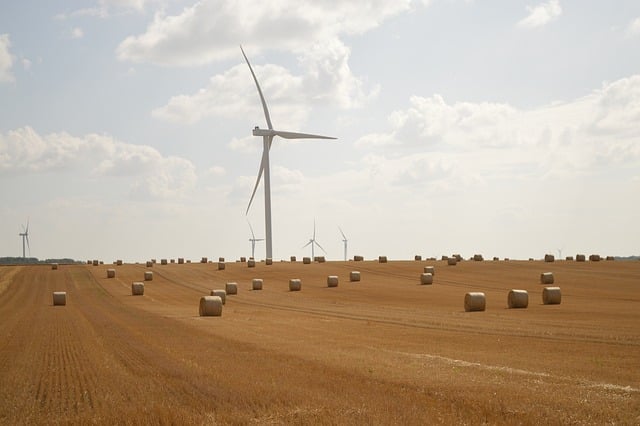
Overview of the New UK Rules on Wind Turbine Installations
Recent policy adjustments have simplified the planning and approval process for small-scale wind projects. The government’s intent is clear: accelerate renewable adoption in response to the global energy crisis. Local authorities now have greater flexibility to approve community and private installations without lengthy consultations. This change reflects a broader strategy to decentralize power generation and bring decision-making closer to end users.
The Strategic Role of Decentralized Energy Generation
Decentralized systems are now central to the UK’s renewable roadmap. Small-scale renewable systems are increasingly integrated into national strategies because they reduce grid dependency and enhance resilience during supply disruptions. Policy incentives encourage diversification of local energy sources, fostering innovation in rural and suburban regions alike.
Understanding Mini Wind Turbine Projects in the UK Context
Mini wind turbines are gaining traction across the UK as both technology and regulation align to support smaller, localized generation models. Their design makes them suitable for individual households, farms, or community cooperatives seeking energy independence.
Defining Mini Wind Turbines and Their Operational Scale
A mini wind turbine typically generates from a few hundred watts up to several kilowatts—enough to power homes or small facilities. Unlike commercial wind farms requiring extensive infrastructure, these units can be mounted on rooftops or standalone poles. Installation requirements are simpler, often avoiding full-scale environmental assessments unless located near sensitive habitats.
Technological Advancements Driving Efficiency Gains
Modern mini turbines benefit from refined blade aerodynamics that capture energy even at low wind speeds common across much of Britain. Integration with smart grid technologies allows dynamic power management, automatically adjusting output based on demand patterns. Hybrid systems that combine solar panels with small turbines further stabilize renewable output throughout varying weather conditions.
Evaluating the Potential of Mini Wind Turbines Under New Regulations
The new regulatory environment has opened opportunities for small developers and homeowners alike. Simplified approval routes and financial incentives make these projects more attainable than before.
Regulatory Incentives Supporting Project Deployment
Streamlined permitting processes now cut through previous red tape, reducing administrative timeframes for small-scale developers. Financial incentives such as feed-in tariffs or targeted tax reliefs improve project viability by shortening payback periods. Updated zoning guidelines also promote adoption in both rural landscapes and suburban areas where noise impact is minimal.
Assessing Environmental and Social Implications
Environmental assessment remains critical despite relaxed rules. Developers must consider noise levels, visual impact, and wildlife protection during site selection. Community engagement plays a decisive role in maintaining public trust; shared ownership models often increase acceptance rates. Lifecycle evaluations ensure that sustainability targets align with broader environmental standards set by agencies such as IEA and ISO 14040 frameworks.
Economic Viability and Investment Considerations
While upfront costs remain significant, long-term returns from lower electricity bills and reduced grid reliance continue to attract investors seeking stable green assets.
Cost-Benefit Analysis for Small Wind Projects
Initial capital outlay varies depending on tower height, turbine size, and location accessibility. Over time, savings from self-generated electricity offset installation expenses, particularly where retail power prices remain volatile. Maintenance costs depend on technology type—direct-drive systems often require less servicing than geared alternatives—while economic modeling helps determine breakeven timelines under current market conditions.
Funding Mechanisms and Market Opportunities
Government-backed grants and green bonds provide essential financing streams for early adopters of mini wind turbine technology. Partnerships between councils and private firms have become common in regional deployment programs that target net-zero milestones. Additionally, export prospects are rising for UK-based manufacturers specializing in compact micro-turbine systems designed for international off-grid markets.
Integration with Broader Energy Transition Goals
Mini wind turbines now serve not only as local solutions but as integral parts of national decarbonization pathways connecting households to larger sustainability goals.
Alignment with the UK’s Net Zero Strategy 2050
These smaller installations directly support carbon reduction targets by supplementing large offshore farms with distributed capacity closer to consumption points. Decentralized generation enhances grid stability during peak loads while reducing transmission losses across long distances. Policy frameworks continue emphasizing innovation balanced with environmental stewardship—a recurring theme across government white papers since 2021.
The Role of Data Analytics in Optimizing Performance
Data analytics increasingly underpin operational reliability in distributed networks. Predictive maintenance powered by AI identifies faults before failures occur, extending equipment lifespan significantly. Real-time monitoring improves forecasting accuracy across clusters of mini turbines feeding into regional grids. Insights drawn from these datasets inform future regulatory refinements aimed at smarter infrastructure planning nationwide.
Challenges and Future Outlook for Mini Wind Projects in the UK
Despite progress, several obstacles remain before mini wind turbines can reach their full potential within Britain’s diverse climate zones.
Technical, Regulatory, and Market Barriers Ahead
Wind variability across regions complicates performance predictability and return-on-investment modeling for investors seeking consistent yields. Regulatory harmonization between devolved administrations still poses coordination challenges regarding permitting standards. Moreover, competition from solar PV—whose installation costs have fallen sharply—may shift investor priorities away from small-scale wind unless complementary hybrid designs gain traction.
Emerging Trends Shaping the Next Phase of Development
Integration with battery storage solutions promises continuous availability even when winds calm overnight. Urban micro-generation pilots are expanding access beyond rural estates into city districts experimenting with rooftop-mounted vertical-axis turbines that minimize noise disturbance. Collaborative research among universities and industry partners continues driving innovation toward lighter materials, higher efficiency blades, and smarter control algorithms tailored to variable British weather patterns.
FAQ
Q1: What defines a mini wind turbine?
A: A mini wind turbine typically produces between a few hundred watts and several kilowatts of electricity for individual or community use rather than utility-scale supply.
Q2: How have recent UK regulations changed?
A: The government has simplified planning procedures for small-scale installations, giving local councils more authority to approve projects quickly without lengthy consultations.
Q3: Are there financial supports available?
A: Yes, schemes such as grants, tax reliefs, or feed-in tariffs help offset initial investment costs for homeowners or developers installing certified systems.
Q4: What environmental concerns exist?
A: Site assessments consider factors like noise levels, visual effects on landscapes, bird migration routes, and compliance with sustainability standards under ISO guidelines.
Q5: How do mini turbines contribute to Net Zero goals?
A: They supplement large renewables by generating clean power locally, easing grid load during peaks while cutting overall carbon emissions consistent with Net Zero 2050 objectives.