
The Grid Is Learning How Your Solar System Actually Behaves
The modern grid is evolving into a responsive, data-driven ecosystem where each solar power system acts as both a generator and a sensor. By feeding real-time data into utility networks, these distributed systems enable predictive control, dynamic balancing, and self-learning operations. The outcome is a smarter grid that doesn’t just react—it anticipates. This transformation depends on the seamless integration of solar data, advanced analytics, and secure communication frameworks that make decentralized energy both reliable and intelligent.
The Integration of Solar Power System Data into Modern Grids
The growing number of solar installations has shifted the grid from centralized generation to distributed participation. Each solar power system now functions as a node that contributes valuable operational data to utilities.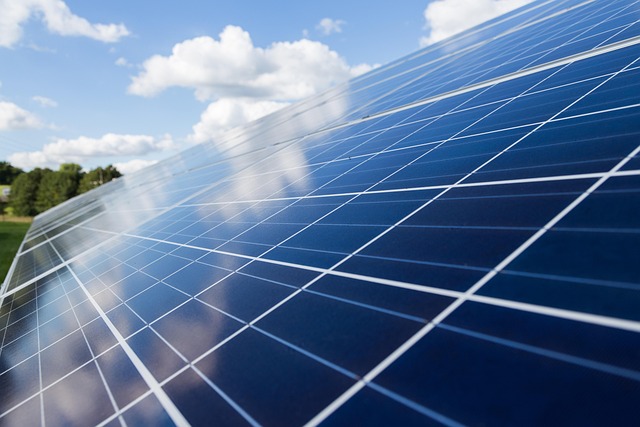
Understanding the Role of Distributed Energy Resources (DERs)
Solar power systems are key components of distributed energy resources (DERs), forming a decentralized structure where energy is produced closer to consumption points. Real-time data from DERs gives operators granular visibility into generation levels and system health. This visibility supports predictive management strategies that adjust grid operations based on ongoing performance patterns rather than static assumptions.
Data Acquisition and Communication Frameworks
Smart inverters, IoT sensors, and monitoring platforms gather critical performance metrics such as voltage output, irradiance, and temperature. These devices communicate through standardized protocols like Modbus or IEEE 2030.5 to maintain secure data exchange between field assets and control centers. Yet standardization remains a challenge due to variations in manufacturer designs and legacy equipment across regions.
How Data from Solar Power Systems Enhances Grid Intelligence
As more solar assets connect to the grid, their collective data becomes an invaluable resource for improving operational intelligence. Utilities increasingly rely on this information for real-time decision-making and long-term planning.
Real-Time Monitoring and Predictive Analytics
Continuous monitoring detects faults early—whether it’s inverter degradation or panel shading—allowing proactive maintenance before efficiency drops significantly. Predictive models use weather forecasts and historical system behavior to estimate future generation with better accuracy. Machine learning refines these predictions over time by identifying correlations between environmental conditions and output variability.
Grid Stability and Dynamic Load Balancing
Solar data enables precise voltage regulation, frequency control, and reactive power adjustments during fluctuating demand periods. Dynamic load balancing depends on detailed insights from thousands of distributed sources to coordinate supply with consumption in near real time. Such coordination reduces curtailment events and increases the effective use of renewable energy within local grids.
The Role of Advanced Analytics in Grid Optimization
Advanced analytics convert raw solar data into actionable intelligence for utilities seeking higher efficiency and reliability under renewable-heavy conditions.
Leveraging AI for Decision Support in Grid Operations
Artificial intelligence tools analyze complex datasets to guide dispatch decisions when integrating variable renewables like solar. Pattern recognition algorithms detect anomalies—such as communication delays or inverter misbehavior—that could affect stability. Reinforcement learning models adapt control logic dynamically when external conditions shift unexpectedly.
Forecasting Renewable Generation with Greater Accuracy
High-resolution meteorological inputs enhance short-term forecasting precision for solar production. Hybrid analytical models combine physics-based simulations with machine learning outputs to capture both predictable trends and stochastic events like cloud movement. Accurate forecasts narrow reserve margins required for backup generation, cutting operational costs while maintaining reliability.
Enhancing Interoperability Between Solar Systems and the Grid
Interoperability remains central to achieving cohesive communication among diverse solar technologies deployed across markets.
Standardization of Data Models and Protocols
Common frameworks such as IEEE 2030.5 or IEC 61850 provide structured methods for device communication across platforms. Harmonized schemas translate solar system outputs into universally interpretable formats for utilities. Open APIs encourage collaboration between manufacturers, allowing seamless integration regardless of hardware origin.
Cybersecurity Considerations in Data Exchange Networks
Increased connectivity expands potential attack surfaces within smart grids. Encryption safeguards transmitted data while authentication mechanisms verify legitimate devices before access is granted. Anomaly detection systems continuously monitor traffic patterns to identify irregularities that may signal intrusion attempts. Compliance with international cybersecurity standards ensures protection of critical infrastructure assets at every layer.
The Evolution Toward a Self-Learning Energy Grid
The next stage in grid modernization involves embedding intelligence directly within edge devices so decisions occur closer to the source.
Autonomous Decision-Making Through Edge Intelligence
Edge computing processes sensor data locally at each inverter or controller, minimizing latency during fast-changing events like voltage spikes or frequency dips. These systems can self-optimize even if temporarily disconnected from central servers, improving resilience against network disruptions or cyber incidents.
The Path Forward for Adaptive Energy Networks
Integrating solar power system data forms the foundation for adaptive smart grids capable of self-correction through continuous feedback loops. Collaboration among utilities, regulators, research institutions, and technology providers will define how quickly these adaptive capabilities mature into mainstream operation across global markets.
FAQ
Q1: How does real-time solar data improve grid reliability?
A: It allows operators to detect issues early, balance loads dynamically, and adjust voltage or frequency instantly based on live conditions.
Q2: Why is standardization important in integrating solar systems?
A: Without common protocols like IEEE 2030.5, communication between different manufacturers’ equipment becomes inconsistent, limiting scalability.
Q3: What role does AI play in managing renewable grids?
A: AI analyzes massive datasets from distributed assets to predict fluctuations, identify anomalies, and automate dispatch decisions efficiently.
Q4: How do cybersecurity measures protect connected solar networks?
A: Encryption prevents unauthorized access while anomaly detection tools flag suspicious activities before they escalate into disruptions.
Q5: What defines a self-learning energy grid?
A: It’s a network where edge devices process local information autonomously, enabling adaptive responses without relying solely on centralized commands.