
Japan Publishes New Guidelines for Flexible Solar Cell Installations
Japan’s Ministry of Economy, Trade, and Industry (METI) has introduced comprehensive guidelines for installing flexible solar panels. The new framework strengthens safety, structural reliability, and integration standards while supporting the country’s 2050 carbon neutrality target. It emphasizes lightweight and adaptable photovoltaic (PV) systems that can expand solar deployment on unconventional surfaces such as curved roofs or transport infrastructure. The guidelines mark a shift toward flexibility-driven design, ensuring that innovation in materials and installation techniques aligns with Japan’s renewable energy ambitions.
Overview of Japan’s Updated Solar Installation Guidelines
Japan’s updated solar installation guidelines represent a major policy move to accelerate renewable energy adoption while maintaining strict technical discipline.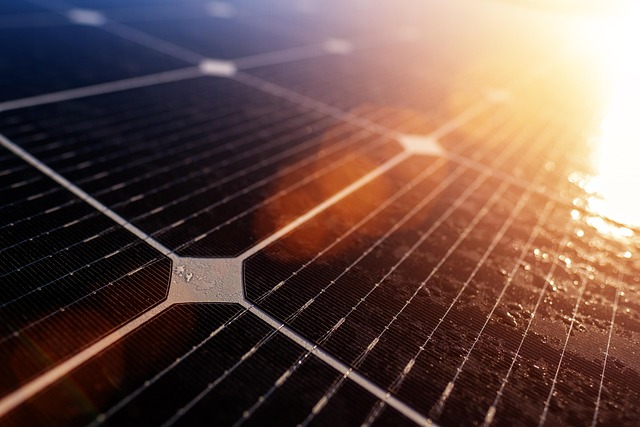
Key Objectives of the New Guidelines
The primary goal is to enhance efficiency and safety in solar installations. METI aims to promote the use of flexible solar panels in both urban and rural areas where traditional rigid systems face limitations. These guidelines align with Japan’s national renewable targets under its Green Growth Strategy, which seeks to achieve carbon neutrality by 2050. The inclusion of flexible technologies also supports diversification in the PV market, allowing integration into vehicles, façades, and portable power systems.
Regulatory Scope and Applicability
The new regulations cover residential rooftops, industrial facilities, public buildings, and mobile platforms using flexible PV modules. They differentiate between rigid crystalline silicon panels, semi-flexible laminates used on metal roofs, and fully flexible thin-film modules suited for lightweight substrates. Both small-scale residential systems and large commercial projects must comply with performance verification protocols defined by METI.
Technical Standards for Flexible Solar Panel Installations
The technical section of the guidelines introduces detailed engineering criteria to maintain safety across diverse installation environments.
Structural Requirements and Mounting Conditions
Material compatibility is critical when bonding flexible modules to substrates such as aluminum sheets or polymer membranes. Load-bearing tests now account for wind pressure variations across coastal regions and snow accumulation in northern prefectures. Seismic resilience remains central due to Japan’s geography. Adhesive bonding methods are permitted if approved through mechanical pull-off testing; otherwise, mechanical fastening remains mandatory for high-load zones.
Electrical Safety and System Integration
The electrical section updates wiring rules for curved or irregular surfaces where cable routing differs from flat-panel systems. Grounding continuity must be maintained even when adhesive layers insulate metallic substrates. Inverters must support variable string voltages typical of thin-film technologies like CIGS or perovskite modules. Energy storage integration is encouraged through standardized DC coupling interfaces to enhance grid stability.
Material Innovations Supporting Compliance
Technological progress in materials science underpins compliance with these new requirements.
Advanced Thin-Film Technologies in Flexible Panels
CIGS (copper indium gallium selenide), perovskite, and organic photovoltaic materials are central to achieving higher efficiency benchmarks under flexible configurations. CIGS offers superior thermal stability compared to organic PVs, while perovskites show promise for cost reduction despite ongoing durability challenges under UV exposure. Recycling protocols emphasize recovering indium and gallium from end-of-life modules to support circular economy objectives.
Durability Testing and Certification Processes
Japan now mandates mechanical flexibility tests simulating repeated bending cycles at various temperatures. Moisture ingress resistance follows IEC 62788 standards used globally for polymer encapsulants. Fire safety testing adopts harmonized IEC 61730 procedures to ensure international acceptance of Japanese-certified products. Certification pathways recognized by METI streamline domestic approval while supporting export readiness through alignment with IEC frameworks.
Design Implications for Architects and Engineers
Architectural design practices must adapt to accommodate the unique behavior of flexible PV materials within structural envelopes.
Integration with Building Envelopes and Infrastructure
Flexible panels enable installations on curved façades or lightweight tensile structures that cannot bear heavy glass modules. Architects increasingly use them on membrane roofs of sports arenas or transportation hubs where aesthetics matter as much as performance. Ventilation layers are often added beneath laminated PV skins to manage heat buildup without compromising waterproofing integrity.
Retrofitting Existing Structures with Flexible Panels
Retrofitting requires thorough inspection of existing substrates for corrosion or fatigue before applying adhesives or laminates. Aging buildings may need reinforcement at connection points due to dynamic loads during earthquakes or typhoons. Lifecycle cost analyses indicate that although initial costs are higher than rigid retrofits, long-term maintenance savings offset the difference due to reduced structural stress.
Economic and Policy Dimensions of Implementation
Beyond engineering aspects, economic incentives play a vital role in driving adoption across sectors.
Incentive Programs Supporting Flexible Solar Adoption
Government programs now include subsidies prioritizing installations on non-traditional surfaces such as warehouses or railway stations. Feed-in tariffs have been adjusted to encourage distributed generation using lightweight PVs where conventional arrays are impractical. Local governments integrate these initiatives into broader smart-city frameworks promoting decentralized energy resilience.
Market Outlook Under the New Guidelines
Domestic manufacturers stand to benefit from rising demand for certified flexible modules meeting METI’s updated criteria. While crystalline silicon remains dominant, thin-film producers gain competitive ground through applications requiring low weight or curvature adaptability. Supply chain localization efforts aim to reduce reliance on imported raw materials by fostering partnerships between chemical firms and PV producers within Japan’s industrial clusters.
Environmental Impact and Sustainability Considerations
Environmental performance remains a cornerstone of Japan’s renewable transition strategy under these guidelines.
Contribution to Carbon Reduction Goals
Expanding deployment of lightweight PV solutions could cut national CO₂ emissions significantly by enabling solar coverage over previously unused surfaces like factory walls or vehicle roofs. Life-cycle assessments show shorter energy payback times compared with glass-based systems due to lower material intensity during production.
Circular Economy Approaches in Flexible Solar Deployment
Recycling processes focus on solvent-based separation of semiconductor layers from polymer backings for reuse in new modules. Substrate reuse programs encourage modular designs allowing easy disassembly at end-of-life stages—an approach consistent with Japan’s broader circular manufacturing principles aimed at minimizing waste streams across industries.
FAQ
Q1: What is the main difference between rigid and flexible solar panels?
A: Rigid panels use glass-encased crystalline silicon cells mounted on frames, while flexible panels employ thin-film technologies applied onto bendable substrates like polymers or metals.
Q2: Are adhesive-mounted flexible panels safe during earthquakes?
A: Yes, provided they meet METI-approved bonding strength tests simulating seismic motion; mechanical fastening may still be required in high-risk zones.
Q3: How do flexible panels perform in snowy regions?
A: They perform well when installed on heated or sloped surfaces that prevent snow accumulation; load tests ensure structural integrity under expected snow weights.
Q4: Can existing buildings retrofit flexible solar systems without major reconstruction?
A: Most can if substrate conditions allow proper adhesion; engineers typically assess corrosion levels before installation begins.
Q5: Do these guidelines affect exports from Japanese manufacturers?
A: Yes, alignment with IEC standards simplifies certification abroad, improving competitiveness in global markets seeking high-quality flexible PV solutions.