
Minnesota Lawmakers Considering Whether to Allow Plug-In or ‘Balcony’ Solar Power
Minnesota’s energy debate is shifting toward small solar panels that can plug directly into home outlets. Lawmakers are weighing whether to legalize these “balcony” systems, which promise affordable access to renewable power for renters and apartment residents. The core question is not about technology but regulation—how to integrate microgeneration safely into a grid built for centralized supply. Experts note that if designed with proper safety standards and transparent metering, plug-in solar could complement the state’s clean energy goals while expanding participation in distributed generation.
The Policy Context of Minnesota’s Plug-In Power Debate
Minnesota’s legislative discussion reflects a broader transition toward decentralized renewables. The state already mandates utilities to source a significant share of electricity from renewables, yet current laws do not clearly address consumer-owned plug-in devices.
Legislative Background and Regulatory Framework
Minnesota has long pursued aggressive renewable portfolio standards requiring utilities to achieve specific clean energy targets by set deadlines. However, existing distributed generation rules primarily cover rooftop or ground-mounted solar arrays connected through licensed installers. Plug-in systems—typically smaller than 1 kW—fall into a gray zone since they connect via standard outlets rather than permanent wiring. Recent legislative proposals aim to clarify whether residents can legally operate such systems without utility interconnection agreements or inspections.
Stakeholder Positions and Policy Objectives
Utilities emphasize grid safety and metering accuracy, arguing that unregulated plug-in devices could disrupt voltage stability or misreport net generation. Regulators seek a balanced framework ensuring consumer protection while fostering innovation. Clean energy advocates counter that restrictions stifle adoption among renters who lack roof access. Their shared objective is expanding residential participation in renewable generation without compromising reliability.
Technical Foundations of Small Solar Panel Systems
To evaluate policy feasibility, it is essential to analyze the technical design of small solar panels intended for direct plug-in use. These devices combine modularity with simplicity, making them accessible but also introducing unique electrical challenges.
Understanding Plug-In or “Balcony” Solar Technology
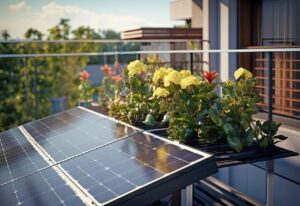
A typical balcony solar setup consists of one or two photovoltaic modules paired with microinverters converting DC output into AC power compatible with household circuits. Mounting options include balcony railings, patios, or portable stands. Safety features often involve integrated ground-fault protection and automatic disconnection during outages. Unlike conventional rooftop systems that require professional installation and utility interconnection, plug-in units are designed for user deployment within minutes.
Grid Integration and Electrical Considerations
When plugged into a wall socket, these systems backfeed small amounts of electricity into the home circuit, offsetting consumption from the grid. To prevent hazards, international standards such as IEC 62109 specify inverter protections against overvoltage and islanding effects. Voltage regulation remains critical; excessive localized injection could cause meter inaccuracies or nuisance tripping in older wiring setups. Therefore, most jurisdictions cap allowable capacity per outlet connection.
Economic Implications for Minnesota’s Energy Market
Economic viability will determine whether plug-in solar becomes mainstream in Minnesota’s residential sector. While upfront costs are low compared with full-scale rooftop installations, financial returns depend on regulatory treatment and retail electricity rates.
Cost Structures and Consumer Economics
Entry-level systems cost between $600 and $1,000 including panels and microinverters. Payback periods range from five to ten years depending on sunlight exposure and tariff structures. Compared with community solar subscriptions or traditional rooftop arrays, plug-in kits offer lower capital barriers but also limited output—typically producing 300–600 kWh annually per module.
Utility Revenue Models and Market Adaptation
For regulated utilities, widespread adoption could slightly reduce retail sales but open opportunities for new services like certified device leasing or smart metering integration. Rate design will need adjustment so that consumers generating small surpluses contribute fairly to grid maintenance while still benefiting from self-consumption savings.
Environmental and Social Dimensions of Distributed Solar Adoption
Beyond economics lies the environmental case: each kilowatt-hour generated locally reduces fossil fuel dependence. Yet equitable access remains central to policy design.
Contribution to Statewide Renewable Energy Targets
Small-scale installations collectively could add measurable capacity toward Minnesota’s carbon reduction goals if adopted at scale across urban apartments. They complement existing wind generation by providing daytime output aligned with peak demand patterns.
Equity and Accessibility in Residential Solar Deployment
Plug-in systems democratize renewable participation by enabling renters and low-income households to produce their own clean power without property ownership barriers. Policymakers must ensure safety certification pathways remain affordable so inclusion does not translate into additional compliance costs.
Comparative Insights from Other Jurisdictions
Examining other regions provides valuable perspective on how regulatory clarity influences adoption rates.
Lessons from States with Plug-In Solar Regulations
Several U.S. states have begun pilot programs allowing limited-capacity plug-in systems under simplified registration rather than full interconnection review. Results show minimal grid disturbance when equipment meets UL 1741 standards for anti-islanding protection.
International Experiences with Micro-Solar Integration
Germany and Austria have embraced “balcony PV” regulations permitting up to 800 watts per household connection with pre-approved plugs known as Wieland connectors. Adoption surged once authorities issued clear guidelines on safe operation—demonstrating that consumer confidence grows when compliance processes are transparent yet practical.
Future Directions for Minnesota’s Distributed Energy Landscape
Technological progress continues to reshape how small producers interact with the grid. Emerging innovations may soon render today’s debates obsolete by embedding intelligence directly into every inverter or outlet.
Technological Advancements Supporting Small Solar Systems
Next-generation microinverters now feature Wi-Fi monitoring, adaptive phase control, and built-in storage compatibility through DC coupling options. Smart plugs capable of real-time communication with utility networks enable dynamic load management at the household level—turning each plug-in array into an active grid participant rather than a passive generator.
Pathways Toward a Hybrid Decentralized Grid Model
As distributed assets proliferate, Minnesota may evolve toward a hybrid architecture blending centralized baseload plants with flexible neighborhood-scale microgeneration clusters. Regulators will need forward-looking planning frameworks emphasizing resilience against weather variability while encouraging innovation in consumer-owned energy resources such as balcony solar kits.
FAQ
Q1: Are plug-in solar panels currently legal in Minnesota?
A: They exist in a regulatory gray area; legislation is pending to define their legal status explicitly.
Q2: How much power can small solar panels typically produce?
A: Most residential plug-in units generate between 300 and 800 watts per module depending on sunlight conditions.
Q3: Do these systems require professional installation?
A: No, they are designed for user setup using standard outlets but must comply with safety standards like UL 1741 or IEC 62109.
Q4: Can renters benefit from balcony solar?
A: Yes, renters can install portable panels on balconies or patios without altering building structures, making them ideal for multi-unit housing.
Q5: What risks do utilities cite regarding these devices?
A: Utilities mainly highlight concerns about grid backfeed safety, voltage fluctuations, and accurate net metering when unregistered systems connect directly through sockets.