
Seven Projects Shortlisted in Hydrogen Headstart Program Round 2
Australia’s second round of the Hydrogen Headstart Program marks a turning point for large-scale green hydrogen energy deployment. The seven shortlisted projects represent a coordinated push to commercialize renewable hydrogen production, integrate it into industrial supply chains, and position the nation as a global exporter. This selection underscores how policy, technology, and investment are converging to accelerate decarbonization while building new economic foundations in regional areas.
Green Hydrogen Energy in the Context of National Energy Transition
Green hydrogen energy has become a cornerstone of Australia’s clean energy roadmap. Its potential to replace fossil-based fuels and complement renewable power systems makes it vital for achieving national net-zero goals.
Defining Green Hydrogen and Its Role in Decarbonization
Green hydrogen is produced through electrolysis powered by renewable electricity, resulting in zero direct carbon emissions. It functions as both an energy carrier and storage medium, enabling renewable integration across sectors that are otherwise difficult to decarbonize—such as steelmaking, chemicals, and long-haul transport. By substituting fossil-derived hydrogen with renewable alternatives, nations can cut industrial emissions while diversifying their clean energy portfolios.
The Strategic Importance of Green Hydrogen for Industrial Transformation
Industries such as steel and ammonia production are among the largest emitters globally. Green hydrogen enables these sectors to transition toward low-carbon pathways without compromising output quality. It also drives innovation across emerging fields like synthetic fuels and green chemical feedstocks. For Australia, scaling domestic hydrogen production reduces reliance on imported gas or coal while strengthening national energy security.
Overview of the Hydrogen Headstart Program Round 2
The Hydrogen Headstart Program is central to Australia’s ambition to build a competitive hydrogen industry capable of serving both domestic and export markets. Round 2 continues this momentum by targeting projects with strong technical maturity and commercial promise.
Objectives and Policy Framework of the Program
This program aims to accelerate investment in large-scale renewable hydrogen facilities by closing the cost gap between green and conventional hydrogen production methods. It aligns closely with Australia’s National Hydrogen Strategy and international commitments under frameworks like the Paris Agreement. Financial incentives under the program provide revenue certainty for early movers while encouraging private-sector participation.
Criteria for Project Shortlisting and Evaluation
Projects were evaluated based on scalability, readiness level, integration with renewable power sources, and alignment with regional infrastructure plans. Environmental sustainability was another key criterion—projects needed to demonstrate responsible water use, minimal ecological impact, and robust community engagement strategies. Export potential was also weighed heavily given Australia’s strategic proximity to key Asian markets.
The Seven Shortlisted Projects: Scope and Potential Impact
Each shortlisted project reflects unique geographic strengths and technological approaches but shares a common goal: establishing commercially viable green hydrogen hubs that can scale over time.
Geographic Distribution and Resource Utilization
Most projects are located near major renewable energy zones or coastal ports to facilitate both domestic supply chains and export logistics. These sites capitalize on abundant solar irradiance in Western Australia or strong wind resources along southern coastlines. Beyond technical merit, their regional placement supports local employment growth through construction contracts, grid upgrades, and port expansion works.
Technological Pathways Represented Among the Projects
Electrolyzer Technologies Under Consideration
The selected proposals explore various electrolyzer types—alkaline systems known for durability, proton exchange membrane (PEM) units prized for responsiveness, and solid oxide designs offering high efficiency at elevated temperatures. Each pathway presents trade-offs between cost, scalability, and operating conditions that will shape future industry standards.
Renewable Power Integration Models
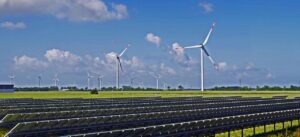
Hybrid configurations combining solar photovoltaic arrays with wind farms are common among shortlisted projects. Battery storage systems are often included to stabilize electricity supply during variable generation periods. Such integrated models reflect a maturing understanding of how to balance intermittent renewables with continuous hydrogen output requirements.
Expected Output Capacities and Market Applications
Production capacities vary widely but collectively aim to deliver several hundred thousand tonnes of green hydrogen annually once operational. Many projects plan conversion into green ammonia for easier transport or use as fertilizer feedstock. Others target direct fuel applications in heavy transport fleets or grid balancing services that complement battery storage during peak demand hours.
Economic Implications of Advancing Green Hydrogen Projects
Large-scale deployment carries significant macroeconomic consequences—from capital inflows to job creation—reshaping industrial structures across multiple regions.
Investment Flows and Funding Mechanisms
Hydrogen production facilities require billions in upfront capital expenditure. To attract investors, blended finance structures are emerging that combine government grants with concessional loans from development banks alongside private equity participation. Such frameworks distribute risk while maintaining commercial discipline essential for long-term viability.
Employment Creation and Regional Economic Growth
Construction phases generate thousands of jobs spanning engineering design, civil works, electrical installation, and plant operations management. Over time, permanent roles will emerge around maintenance services and component manufacturing—particularly electrolyzer assembly lines—which could anchor new domestic industries similar in scale to past mining booms.
Technical Challenges in Scaling Green Hydrogen Production
Despite optimism around cost declines, several engineering barriers still constrain widespread adoption at competitive prices.
Efficiency Limitations in Electrolysis Processes
Electrolyzers remain limited by thermodynamic efficiency thresholds; typical systems convert only about 65–75% of input electricity into usable hydrogen energy. Material degradation over time further reduces performance consistency. Research institutions are focusing on novel catalyst coatings that lower voltage requirements per kilogram produced.
Infrastructure Requirements for Storage and Transport
Hydrogen Storage Solutions Under Development
Storage remains a bottleneck due to hydrogen’s low volumetric density. Developers are testing compressed gas tanks up to 700 bar pressure levels alongside cryogenic liquid systems cooled below –250°C. Chemical carriers such as ammonia or liquid organic compounds offer alternative transport vectors though they introduce additional conversion steps.
Distribution Network Adaptation Needs
Existing natural gas pipelines require significant retrofitting before safely handling pure hydrogen due to embrittlement risks. Some regions plan dedicated “hydrogen corridors” linking inland production sites with coastal export terminals—a logistical model already piloted in Europe under transnational infrastructure initiatives.
Environmental Considerations in Project Implementation
Sustainability metrics underpin every stage from site selection through operations management given public scrutiny around resource use.
Water Use Management in Electrolysis Operations
Producing one kilogram of hydrogen consumes roughly nine liters of water—a concern in arid regions like Western Australia. Developers mitigate this through seawater desalination powered by renewables or wastewater recycling from nearby municipal plants. Lifecycle assessments confirm that even accounting for desalination energy costs, total emissions remain far below fossil fuel alternatives.
Land Use Planning Around Renewable Energy Integration
Renewable generation footprints must balance agricultural continuity with conservation priorities. Coordinated zoning frameworks now guide land allocation near biodiversity-sensitive areas while promoting co-use arrangements such as sheep grazing beneath solar arrays—a practical compromise increasingly adopted by developers seeking community acceptance.
Positioning Australia as a Global Green Hydrogen Exporter
Australia’s comparative advantage lies not just in its natural resources but also its stable regulatory environment supporting long-term contracts essential for international trade confidence.
Comparative Advantages in Renewable Resource Endowment
Few countries match Australia’s combination of high solar irradiance exceeding 20 MJ/m² daily averages alongside consistent coastal wind speeds above 8 m/s—conditions ideal for low-cost electricity generation feeding electrolyzers continuously throughout the year.
Strategic Partnerships with International Markets
Japan, South Korea, and Singapore have all signaled intent to import clean fuels under bilateral agreements emphasizing supply reliability over price volatility typical of fossil commodities. These partnerships create predictable demand signals encouraging Australian developers to commit capital-intensive infrastructure investments confidently.
Building a Competitive Value Chain
Beyond raw hydrogen exports lies opportunity in downstream processing—converting molecules into green ammonia or synthetic aviation fuels adds value while reducing shipping complexity. Establishing these capabilities domestically positions Australia not merely as an exporter but as an integrated participant within global clean fuel supply chains.
Future Outlook for the Shortlisted Projects within National Energy Strategy
The shortlisted initiatives symbolize early steps toward what could become one of the country’s defining industrial transformations this century.
Anticipated Policy Developments Supporting Commercialization
Future policy instruments may include carbon pricing mechanisms rewarding low-emission producers or tradable green certificates verifying origin authenticity across borders—tools already proven effective within Europe’s renewable electricity markets now being adapted for hydrogen trade contexts.
Long-Term Vision for Integrated Hydrogen Ecosystems
Over time these individual projects could evolve into interconnected clusters linking generation plants with industrial off-takers via shared storage caverns and port terminals coordinated through regional planning frameworks—a blueprint reminiscent of historical resource corridors that shaped modern Australian industry landscapes decades ago.
FAQ
Q1: What distinguishes green hydrogen from blue or grey variants?
A: Green hydrogen uses only renewable electricity during electrolysis without emitting CO₂ directly, whereas blue relies on natural gas paired with carbon capture technologies; grey emits unabated CO₂ during production.
Q2: How much funding is available under Round 2 of the Hydrogen Headstart Program?
A: While exact figures vary per project stage, total allocations run into several hundred million dollars aimed at bridging early-stage cost gaps before full market competitiveness is achieved.
Q3: Which regions benefit most economically from shortlisted projects?
A: Western Australia, Queensland, South Australia, and Tasmania stand out due to existing renewable capacity plus access to deep-water ports suitable for future export operations.
Q4: What timeline is expected before these projects reach commercial operation?
A: Most developers target final investment decisions within two years followed by phased commissioning between 2027–2030 depending on permitting outcomes and equipment supply chains.
Q5: How does water scarcity affect project feasibility?
A: Desalination powered by renewables largely offsets freshwater dependency risks; however local environmental approvals still require detailed assessments ensuring minimal marine ecosystem disruption during brine discharge processes.