
Africa’s Energy Transition Gathers Pace but Remains Uneven, With Renewables Leading Fragile Gains Toward Universal Access
Africa’s energy transition is moving forward but at an inconsistent pace. While renewable energy has become a symbol of progress under SDG7, deep regional disparities persist. North Africa nears universal access, yet vast parts of Sub-Saharan Africa remain in darkness. Falling technology costs and international funding have spurred solar and wind investments, but governance gaps and limited finance slow the pace. The continent’s energy future depends on balancing ambition with pragmatism—expanding renewables while securing reliable power for growing economies.
SDG7 and Its Relevance to Africa’s Energy Transition?
SDG7 serves as a global framework guiding countries toward inclusive, sustainable energy systems. In Africa, where energy poverty remains acute, its targets represent both an opportunity and a challenge. The goal’s emphasis on affordability and sustainability resonates deeply with the continent’s development trajectory.
The Core Objectives of SDG7
SDG7 seeks to guarantee access to affordable, reliable, sustainable, and modern energy for all by 2030. It promotes renewable sources such as solar, wind, hydro, and geothermal while urging efficiency improvements across sectors. This objective aligns with global decarbonization pathways that aim to reduce emissions without compromising growth. Infrastructure development—especially grids and decentralized systems—is central to achieving this balance.
Why SDG7 Matters for the African Context
Africa’s situation is distinct: over 600 million people still lack electricity access according to IEA data. Rapid population growth intensifies demand while infrastructure lags behind. Many countries rely heavily on fossil fuels despite abundant renewable potential. SDG7 offers a structured approach to reconcile urgent development needs with long-term sustainability goals.
The Current State of Africa’s Energy Transition?
The continent’s energy transition reflects both momentum and fragmentation. Policy reforms have attracted new capital into renewables, yet fossil fuels continue to dominate many national mixes.
Mapping the Energy Landscape Across the Continent
Oil, gas, and coal remain primary energy sources in Nigeria, South Africa, and Angola. Meanwhile, nations like Kenya and Morocco are expanding renewable portfolios through geothermal and solar projects. However, investment distribution remains uneven—North Africa leads in grid-connected renewables while much of Sub-Saharan Africa depends on small-scale or off-grid systems.
Key Drivers of Renewable Energy Growth
Declining costs of photovoltaic panels and wind turbines have transformed project economics. International financing mechanisms such as the Green Climate Fund provide concessional loans that make large-scale renewables feasible. Several African governments have introduced policies encouraging private-sector participation through feed-in tariffs or auction schemes.
Uneven Progress Toward Universal Access Under SDG7?
Despite visible progress in some regions, universal access remains elusive across much of the continent.
Regional Disparities in Electrification Rates
North African nations like Egypt and Algeria report nearly full electrification rates exceeding 99%. In contrast, rural areas of Sub-Saharan Africa often record below 30% access levels. Urban centers expand faster than rural ones due to easier grid extension economics. Decentralized mini-grids powered by solar or hybrid systems show promise but face scalability challenges from high upfront costs.
Socioeconomic and Institutional Barriers to Equitable Transition
Weak governance frameworks hinder timely implementation of projects once funding is secured. Limited fiscal capacity restricts public investment in large-scale renewable infrastructure. Policy inconsistency between neighboring states complicates cross-border electricity trade and deters private investors seeking predictable returns.
The Role of Renewables in Shaping Africa’s Future Energy Mix?
Renewables are not just environmental tools—they are economic enablers capable of reshaping industrial structures when paired with sound policy design.
Solar Power as a Catalyst for Decentralized Access
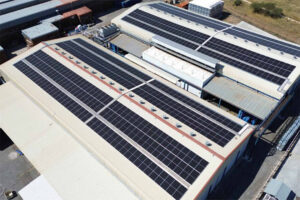
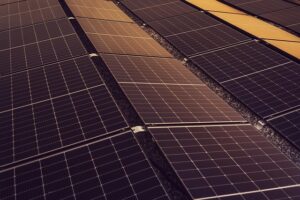
With some of the world’s highest solar irradiation levels, photovoltaic systems suit remote communities disconnected from national grids. Mini-grids powered by solar arrays provide stable supply where diesel generators once dominated. Local manufacturing initiatives for panels or batteries could create jobs while reducing import dependency—a crucial factor for long-term sustainability.
Expanding Wind, Hydro, and Geothermal Potential
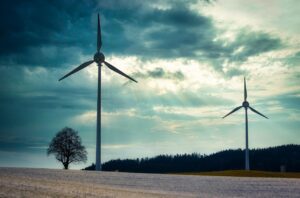
Coastal wind corridors in Senegal and Egypt present strong opportunities for expansion supported by competitive auctions. Hydropower continues to play a major role but faces climate-related risks such as droughts that reduce generation capacity. East Africa’s Rift Valley hosts substantial geothermal reserves offering stable baseload generation with minimal emissions—Kenya already derives over 40% of its electricity from geothermal plants.
Financing and Policy Mechanisms Supporting SDG7 Implementation in Africa?
Financing innovation is critical to bridging the gap between ambition and execution across diverse national contexts.
International Partnerships and Funding Streams
Multilateral institutions including the World Bank and African Development Bank provide concessional financing for clean energy projects across multiple sectors. Green bonds issued by sovereign entities attract institutional investors seeking sustainable assets. Blended finance models combining grants with private capital help mitigate perceived risks that often discourage commercial lenders from entering early-stage markets.
National Policies Driving Renewable Integration
Several governments have implemented feed-in tariffs guaranteeing fixed prices for renewable producers or tax incentives lowering entry barriers for developers. National roadmaps align domestic priorities with SDG7 benchmarks while regulatory frameworks evolve to accommodate decentralized generation models such as community-owned mini-grids or independent power producers feeding local networks.
Technological Innovation and Infrastructure Development?
Technology defines how efficiently countries can deploy renewables at scale while maintaining reliability during transition phases.
Digitalization of Energy Systems
Smart grids equipped with digital sensors enable real-time monitoring that improves load management efficiency across transmission networks. Predictive maintenance using data analytics reduces downtime for wind farms or solar installations by identifying component failures before they occur. Digital trading platforms also promote transparency in regional power exchanges under emerging African power pools.
Storage Solutions and Grid Integration Challenges
Battery storage technologies address intermittency issues inherent in solar or wind generation by storing excess output during peak hours for later use. Cross-border interconnections enhance stability but require strong political coordination among utilities operating under different regulatory regimes. Hybrid systems combining renewables with gas turbines or hydropower plants maintain reliability during fluctuations in weather-dependent production.
Evaluating the Broader Implications of an Uneven Transition?
Energy transition affects not only electricity supply but also economic competitiveness and social equity across communities.
Economic Impacts on Industrialization Goals
Reliable electricity is essential for manufacturing industries seeking cost stability to compete globally. While renewable integration supports green industrialization policies promoting low-carbon exports, short-term costs can rise due to infrastructure upgrades or technology imports. Over time, however, countries investing early gain reputational advantages when marketing goods produced using clean power sources.
Social Equity Considerations in Energy Access
Unequal distribution of electrification benefits risks deepening existing inequalities between urban elites and rural populations. Gender-sensitive approaches—such as training women technicians for off-grid maintenance—help ensure inclusive participation in new energy economies. Community ownership models strengthen local engagement by giving residents direct stakes in renewable enterprises operating within their regions.
Pathways Toward a Balanced Renewable Future Under SDG7?
Achieving SDG7 requires coordinated regional action supported by adaptive governance structures capable of responding to evolving realities on the ground.
Strengthening Regional Cooperation
Regional power pools such as the Southern African Power Pool facilitate resource sharing that reduces redundancy across borders while improving reliability through interconnected grids. Harmonizing technical standards lowers transaction costs for developers working across multiple jurisdictions. Knowledge-sharing networks accelerate replication of successful policy frameworks proven effective elsewhere on the continent.
Aligning Long-Term Vision With Short-Term Realities
Incremental progress toward universal access must coexist with pragmatic transitions where fossil resources still underpin economies dependent on export revenues. Building institutional capacity ensures consistent policy execution even amid political turnover or external shocks like commodity price swings. Continuous monitoring using SDG7 indicators allows governments to adjust strategies dynamically based on measurable outcomes rather than static targets set years earlier.
FAQ
Q1: What does SDG7 aim to achieve?
A: It aims to secure affordable, reliable, sustainable, modern energy access globally by promoting renewables, efficiency improvements, and infrastructure expansion.
Q2: Why is progress uneven across Africa?
A: Regional disparities stem from differing resource endowments, governance quality, financing availability, and population distribution patterns between urbanized north regions and rural south zones.
Q3: Which technologies drive Africa’s renewable expansion?
A: Solar photovoltaics lead growth due to falling costs; wind projects thrive along coasts; geothermal provides stable baseload mainly in East Africa; hydropower remains important though climate-sensitive.
Q4: How do international funds support African clean energy?
A: Concessional loans from multilateral banks combined with green bonds attract private investment into large-scale solar parks or mini-grid programs targeting underserved communities.
Q5: What are key priorities moving forward?
A: Strengthening regional cooperation through interconnected grids, enhancing institutional capacity for policy execution, diversifying financing instruments, and embedding social equity principles within all energy programs will define success under SDG7 implementation across Africa.