
Africa Secures Major Clean Energy Deals as France Deepens Investment Push
Africa’s clean energy landscape is shifting rapidly as sustainable energy companies expand across the continent. French-backed investments are reinforcing this transition, targeting solar, hydro, and wind infrastructure to meet rising demand and climate goals. The continent’s energy transformation is no longer theoretical—it’s happening on the ground, driven by public–private partnerships, innovative financing, and regional policy reforms that favor renewable integration.
The Growing Role of Sustainable Energy Companies in Africa’s Clean Energy Transition
Africa’s transition toward renewables is complex but accelerating. As more countries adopt ambitious energy targets, sustainable energy companies are taking center stage in implementing scalable solutions that meet both economic and environmental needs.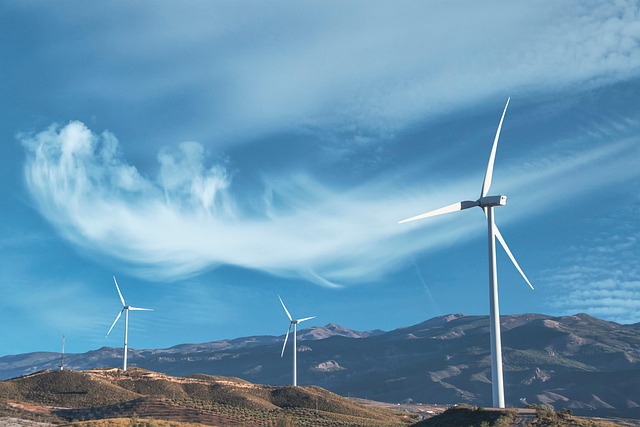
Overview of Africa’s Current Energy Landscape
Africa’s energy mix remains dominated by fossil fuels even though the continent holds some of the world’s richest renewable resources. Rapid urbanization and industrial growth have pushed electricity demand upward by nearly 30% over the past decade, according to data from the International Energy Agency (IEA). Governments are working to balance this surge with sustainability commitments under frameworks such as the African Union’s Agenda 2063. Regional cooperation through entities like the Southern African Power Pool (SAPP) also plays a key role in harmonizing cross-border power trade and grid expansion.
The Emergence of Sustainable Energy Companies Across the Continent
A growing number of sustainable energy companies—both local startups and global firms—are investing in solar farms in Kenya, wind parks in South Africa, and geothermal projects in Ethiopia. Independent Power Producers (IPPs) now contribute significantly to new capacity additions, diversifying sources away from centralized fossil-based utilities. Partnerships between governments and private developers have streamlined project execution timelines; for instance, Ghana’s recent solar hybrid mini-grids were completed within two years through PPP frameworks.
France’s Expanding Investment Footprint in Africa’s Renewable Sector
France has emerged as one of Africa’s most consistent partners in renewable development. Its approach blends diplomacy with economic strategy, using clean energy cooperation as a bridge for long-term bilateral engagement.
Strategic Motives Behind France’s Clean Energy Investments
French investment aligns with both national strategic interests and global climate objectives. Through its development agencies such as AFD (Agence Française de Développement), France channels concessional loans and grants into large-scale projects across sub-Saharan Africa. These initiatives reinforce commitments made under the Paris Agreement while supporting local industrialization through green infrastructure. Strengthening diplomatic ties via sustainable projects also helps France maintain influence amid growing competition from China and Gulf investors.
Key French-Backed Projects Transforming African Energy Markets
French firms like EDF Renewables and ENGIE have financed major solar farms across West Africa—such as Senegal’s 30 MW Senergy project—and supported hydropower developments in Cameroon and Uganda. Many of these ventures include technology transfer components that train local engineers in system maintenance and grid management. Bilateral cooperation agreements further promote joint research on battery storage technologies suited for African climates, improving system reliability.
How Sustainable Energy Companies Are Accelerating Clean Energy Expansion
The momentum behind renewables depends not only on policy but also on technological innovation and creative financing models that reduce risk for investors while expanding access for consumers.
Technological Innovation Driving Renewable Deployment
Advances in solar photovoltaic efficiency now allow utility-scale plants to generate more power per square meter than ever before. Battery storage systems are becoming cheaper, enabling off-grid communities to maintain supply during low-sunlight periods. Digital monitoring platforms powered by AI provide predictive maintenance insights that extend asset lifespans. Hybrid systems combining wind or solar with existing diesel grids have proven effective in stabilizing supply during peak hours—a practical step for regions still reliant on legacy infrastructure.
Financing Models Supporting Scalable Renewable Projects
Capital availability remains a defining factor for growth across Africa’s clean energy markets. Innovative financial structures are bridging gaps between public ambition and private capability.
Public–Private Partnerships (PPPs) as Catalysts for Growth
PPPs distribute risks between governments and investors while ensuring accountability through structured contracts. They have become instrumental in scaling grid-connected renewable projects where state utilities lack capital strength. For example, Morocco’s Noor Ouarzazate Solar Complex—one of the largest globally—was realized through a PPP framework that balanced public guarantees with private expertise.
Green Bonds and Climate Finance Mechanisms
Green bonds attract institutional investors seeking stable returns aligned with ESG principles. Multilateral climate funds such as the Green Climate Fund (GCF) provide early-stage capital that de-risks pioneering ventures like mini-grids or floating solar installations. This layered financing approach encourages replication across multiple markets without overburdening national budgets.
Regional Dynamics Influencing Clean Energy Development Across Africa
While innovation drives progress, regional dynamics determine how evenly benefits are distributed across nations with varying regulatory maturity and infrastructure readiness.
Policy Frameworks Encouraging Renewable Adoption
Many African governments now include explicit renewable targets within their national energy strategies—Kenya aims for 100% clean electricity by 2030, while Nigeria seeks 30% renewables by 2030 under its Energy Transition Plan. Regulatory reforms simplifying licensing procedures have attracted IPPs into previously monopolized sectors. Incentives such as feed-in tariffs or tax holidays further enhance project bankability by offering predictable revenue streams.
Infrastructure Challenges and Opportunities for Expansion
Despite progress, transmission bottlenecks remain a major constraint on renewable integration.
Grid Connectivity and Transmission Limitations
Inadequate transmission lines limit how much renewable power can reach end-users efficiently. Cross-border interconnection initiatives under regional blocs like ECOWAS aim to address this through shared grid investments that enable surplus power trade between countries during seasonal fluctuations.
Local Manufacturing and Supply Chain Development
Developing domestic manufacturing capacity for components like panels or turbines reduces import dependency while creating jobs along the supply chain. Countries such as Egypt have introduced local content requirements encouraging foreign firms to source materials regionally—a move expected to stimulate industrial diversification beyond extraction industries.
The Broader Economic and Environmental Implications of Clean Energy Growth
The ripple effects of renewable expansion extend far beyond electricity access—they reshape economies, employment patterns, and environmental outcomes simultaneously.
Economic Diversification Through Renewable Industries
Renewable industries contribute directly to economic diversification by generating skilled employment across engineering, logistics, finance, and maintenance sectors. Decentralized solutions like mini-grids empower small enterprises in remote areas where traditional grid extension is uneconomical. Local entrepreneurship thrives around installation services, battery recycling ventures, and rural electrification programs supported by microfinance institutions.
Environmental Benefits Supporting Long-Term Sustainability Goals
Transitioning from fossil fuels cuts greenhouse gas emissions substantially; IRENA estimates that full adoption of renewables could reduce Africa’s CO₂ output by nearly one-third within two decades. Cleaner air quality improves health outcomes especially in dense urban centers where diesel generators dominate backup supply today.
The Future Outlook for Sustainable Energy Companies in Africa’s Transition Pathway
The next decade will define whether Africa can sustain its clean energy momentum amid population growth exceeding one billion people by 2035.
Emerging Trends Shaping the Next Decade of Clean Energy Expansion
Digitalization will play an increasing role—from AI-driven forecasting tools predicting consumption patterns to blockchain-enabled peer-to-peer power trading models already piloted in East Africa. Regional power pools will deepen integration allowing nations rich in renewables like Ethiopia or Zambia to export excess electricity efficiently across borders.
Strategic Priorities for Sustaining Momentum in the Sector
Maintaining investor confidence requires transparent governance frameworks that uphold fair competition among stakeholders while minimizing bureaucratic delays during project approvals.
Strengthening Regulatory Certainty and Investment Confidence
Stable policy environments encourage long-term investment decisions critical for capital-intensive infrastructure projects. Governments adopting standardized contracts reduce perceived risks among financiers wary of policy reversals or tariff disputes.
Enhancing Skills Development and Knowledge Transfer
Building technical capacity locally remains essential for sustaining operations post-construction phase. Training programs led jointly by universities and industry bodies equip technicians with expertise spanning installation safety standards (IEC-compliant) to advanced grid analytics—ensuring self-reliance rather than perpetual dependence on foreign consultants.
FAQ
Q1: What role do sustainable energy companies play in Africa’s transition?
A: They design, finance, build, and operate renewable projects that diversify national grids while reducing carbon intensity across sectors.
Q2: Why is France heavily investing in African renewables?
A: France views renewable collaboration as both an economic opportunity and a diplomatic tool aligned with global climate goals under the Paris Agreement framework.
Q3: Which technologies show most promise for near-term deployment?
A: Solar PV combined with battery storage currently leads due to scalability, cost decline trends, and adaptability across diverse geographies.
Q4: How do public–private partnerships support clean energy growth?
A: PPPs share financial risk between state entities and investors while ensuring oversight mechanisms maintain long-term viability of assets built under concession models.
Q5: What challenges still hinder wider adoption of renewables?
A: Transmission limitations, inconsistent regulatory enforcement, limited local manufacturing capacity, and currency volatility remain major obstacles despite strong market potential.