
Hyundai Mobis Develops PE System Ready for All EV Models
Hyundai Mobis has unveiled a new Power Electric (PE) system designed to fit every model within the Hyundai EV lineup. This development demonstrates Hyundai Motor Group’s intent to unify its electric vehicle architecture under a modular, scalable platform. The PE system integrates motor, inverter, and reduction gear into a compact unit, reducing weight while improving power conversion efficiency. With silicon carbide semiconductors and advanced thermal control, it enhances range and performance across vehicle segments. This move positions Hyundai Mobis as a central technology provider in the group’s electrification roadmap.
The Strategic Vision Behind Hyundai’s EV Innovation
Hyundai’s electrification strategy is not only about producing electric cars but about building an ecosystem that supports sustainable mobility. The company’s long-term plan connects advanced powertrain engineering with environmental responsibility.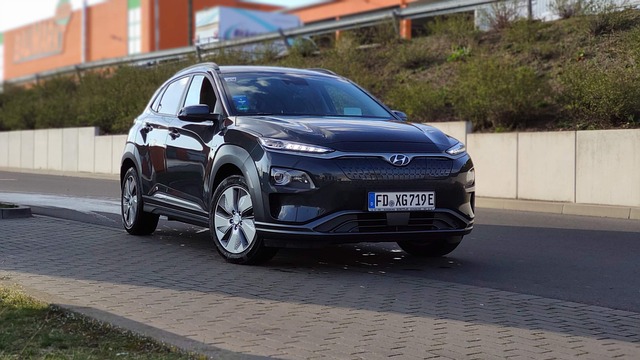
Hyundai’s Commitment to Electrification
Hyundai Motor Group has publicly committed to achieving carbon neutrality by 2045 through full electrification of its lineup. Its EV roadmap includes expanding battery-electric models and investing heavily in hydrogen fuel cell systems. Hyundai Mobis plays a crucial role by developing key components that meet global energy efficiency standards such as those set by the International Energy Agency (IEA). Its focus on integrated systems ensures that each new generation of vehicles contributes to lower lifecycle emissions.
Integration of Sustainable Mobility Goals with Advanced Powertrain Development
The group aligns sustainability goals with innovation in electric propulsion. Through continuous R&D investment, Hyundai has been able to integrate lightweight materials and high-efficiency components into its EV powertrains. This approach reduces dependency on rare materials while maintaining high torque density and energy recovery rates.
Role of Hyundai Mobis as a Core Technology Provider in the Electrification Roadmap
Hyundai Mobis functions as the technical backbone for the group’s EV transition. It develops core modules like PE systems, battery management units, and drive control software that are used across multiple brands under the group umbrella. This vertical integration supports economies of scale and accelerates global rollout.
Positioning the PE System in Hyundai’s EV Ecosystem
The newly developed PE system represents a unifying technology platform that supports both compact passenger cars and large SUVs under one scalable framework.
Definition and Technical Scope of the Power Electric (PE) System
The PE system integrates three main elements—motor, inverter, and reduction gear—into one housing. It converts electrical energy from the battery into mechanical motion while managing voltage and torque distribution efficiently. This integration minimizes space requirements within the chassis and simplifies assembly processes.
How the PE System Aligns with Modular and Scalable EV Architectures
Designed for modularity, the system can be adapted for front-, rear-, or all-wheel-drive configurations without major redesigns. The modular design also allows shared production lines across different models, reducing manufacturing complexity and cost per unit.
Contribution to Platform Unification Across Different Vehicle Segments
By adopting standardized interfaces, Hyundai enables cross-segment compatibility—from city hatchbacks to commercial vans—without reengineering drivetrain layouts. This unification mirrors industry trends toward flexible platforms like E-GMP (Electric Global Modular Platform), enhancing production scalability.
Technical Architecture of the New Mobis PE System
At its core, the new PE system showcases engineering precision aimed at balancing performance with manufacturability.
Core Components and Functional Integration
The motor provides high power density using advanced magnetic materials; the inverter employs silicon carbide semiconductors for superior switching efficiency; and the reduction gear delivers smooth torque transfer with minimal noise. Together they form a compact module that improves overall drivetrain packaging.
Integration Strategies for Compactness, Efficiency, and Weight Reduction
Each component is co-located within a shared cooling circuit to reduce redundant parts. Lightweight aluminum casings cut mass while maintaining rigidity—critical for both performance vehicles and urban EVs where space is limited.
Use of Silicon Carbide (SiC) Semiconductors for Improved Power Conversion Efficiency
Silicon carbide technology significantly reduces heat generation during high-voltage operation compared with traditional silicon chips. As validated by IEEE power electronics standards, SiC devices can achieve up to 98% conversion efficiency under peak load conditions.
Modular Design for Multi-Model Compatibility
Mobis engineers designed this system around flexibility rather than customization per model—a shift toward industrial efficiency similar to semiconductor manufacturing principles.
Design Philosophy Enabling Deployment Across Diverse EV Models
The modular approach allows identical subassemblies to serve different vehicle types simply by altering calibration parameters or cooling configurations. This design reduces part inventory while maintaining consistent quality metrics globally.
Standardized Interfaces for Seamless Integration with Varying Chassis Layouts
Common mounting points and electrical connectors enable straightforward installation across platforms built in different regional plants. It also simplifies aftersales service since replacement parts remain uniform worldwide.
Scalability in Performance Output to Suit Compact Cars, SUVs, and Commercial Vehicles
Performance can be scaled from 100 kW up to over 300 kW depending on application needs by adjusting motor winding patterns or inverter capacity—an approach already used in other leading e-drive systems benchmarked by ISO standards.
Innovation in Power Efficiency and Thermal Management
Efficiency defines modern electric mobility economics; thus thermal control becomes equally critical as electronic optimization.
Advancements in Energy Conversion Efficiency
Refined inverter algorithms minimize switching losses during acceleration phases while regenerative braking recovers kinetic energy more effectively at low speeds. These updates translate directly into longer driving range per charge cycle.
Enhanced Regenerative Braking Control to Maximize Energy Recovery
Improved software logic enables smoother transitions between mechanical braking and energy regeneration without compromising driver feel—a factor often overlooked but essential for user satisfaction.
Impact on Overall Driving Range and Battery Longevity
By lowering current spikes during acceleration or braking events, stress on battery cells decreases, extending usable life cycles beyond 1,000 charge-discharge rounds as reported by IEA research data on next-gen lithium-ion durability.
Thermal Management Technologies within the PE System
Thermal stability is central to reliability especially under high-load conditions such as towing or mountain driving.
Liquid Cooling Circuits Designed for High-Density Power Modules
A dual-loop liquid cooling structure separates motor heat from inverter heat sources allowing independent temperature regulation which prevents thermal cross-interference during prolonged operation.
Intelligent Temperature Regulation Through Integrated Sensors and Control Logic
Embedded sensors monitor component temperatures in real time feeding data back into ECU-controlled pumps adjusting coolant flow dynamically—similar methods are referenced in IEEE automotive thermal management guidelines.
Benefits for Operational Stability Under Extreme Driving Conditions
This active regulation maintains consistent output even when ambient temperatures exceed 40°C ensuring sustained acceleration performance without derating events common in less sophisticated systems.
Software Intelligence and Control Systems Integration
Software defines adaptability; hardware merely executes it. Hyundai Mobis embeds intelligence deep within its control logic stack enabling predictive responses rather than reactive corrections.
Embedded Software Enhancements for Performance Optimization
Advanced torque vectoring distributes power between wheels based on grip estimation improving cornering stability while predictive algorithms adjust inverter frequency before driver input peaks occur reducing latency perceptibly.
Predictive Control Systems Leveraging Vehicle Data Analytics
Continuous data collection from sensors enables machine-learning-based calibration updates enhancing drive smoothness over time much like adaptive cruise control systems evolve through feedback loops.
Adaptive Calibration Improving Responsiveness and Efficiency Under Variable Loads
Calibration maps automatically fine-tune motor response when load changes due to passenger weight or cargo ensuring consistent feel regardless of external factors—a subtle yet impactful refinement appreciated by test drivers globally.
Connectivity Between Vehicle ECUs and the PE System
Integration across ECUs determines how harmoniously an EV behaves as one digital organism rather than separate modules stitched together laterally.
Communication Protocols Ensuring Synchronization with Other Electronic Systems
Hyundai employs standardized CAN-FD protocols allowing millisecond-level communication between traction control units brake controllers and battery management systems minimizing latency mismatches during acceleration or regenerative events.
Cybersecurity Measures Protecting Data Integrity Within the Powertrain Network
Encryption layers compliant with ISO/SAE 21434 protect firmware integrity preventing unauthorized access—a growing concern as vehicles become connected devices on wheels rather than isolated machines.
Role of Over-the-Air Updates in Continuous System Improvement
OTA functionality allows software refinements post-sale keeping vehicles aligned with latest algorithmic improvements without physical service visits thereby extending product lifecycle value chain efficiency worldwide.
Manufacturing Scalability and Global Production Strategy
Scaling from prototype to mass production demands precision manufacturing supported by robust supply chains resilient against semiconductor shortages or logistics disruptions seen recently worldwide.
Advanced Manufacturing Processes for PE Systems
Automation-driven assembly lines use robotic alignment tools achieving micron-level accuracy vital for high-voltage insulation gaps meeting IEC safety requirements while maintaining throughput consistency across shifts globally.
Material Innovations Enhancing Durability and Recyclability of Components
Use of recyclable aluminum alloys reduces environmental footprint aligning with circular economy principles endorsed by IRENA sustainability frameworks promoting closed-loop material cycles within automotive sectors.
Global Supply Chain Alignment with Hyundai’s EV Expansion Plan
Localization remains key; regional production centers shorten logistics routes cutting both cost and carbon emissions simultaneously—a dual win often ignored outside industrial circles.
Collaboration with Semiconductor Suppliers to Secure Critical Components
Strategic partnerships ensure stable SiC wafer supply amid market volatility safeguarding continuity crucial for large-scale hyundai ev rollout schedules planned through mid-decade expansion phases.
Sustainability Practices Embedded in Sourcing and Logistics Operations
Supplier audits verify ethical sourcing including renewable-powered smelting facilities reflecting broader ESG compliance trends demanded by institutional investors monitoring automotive decarbonization progress metrics globally.
Competitive Positioning and Future Outlook of Hyundai Mobis PE Technology
As competition intensifies among global Tier-1 suppliers innovation cadence defines market leadership more than cost alone now.
Benchmarking Against Industry Standards and Competitors
Compared against Bosch ZF Magna equivalents Mobis achieves comparable efficiency levels but excels at integration depth owing largely to vertical alignment inside Hyundai Motor Group structure reducing interface friction losses measurable via standardized WLTP tests.
Strategic Advantages Derived from Hyundai’s Vertical Integration Approach
Owning full stack—from battery pack through e-axle—gives tighter control over quality timelines intellectual property retention strengthening future bargaining leverage when negotiating component partnerships externally.
Future Development Pathways for Next-Generation PE Systems
Next iterations will likely adopt solid-state switching elements further shrinking package sizes while boosting voltage tolerance toward emerging 800V architectures already seen in flagship hyundai ev platforms enabling ultra-fast charging times below twenty minutes under optimal grid conditions according to BloombergNEF projections.
FAQ
Q1: What makes Hyundai Mobis’ new PE system unique?
A: Its modular design fits multiple vehicle types using standardized interfaces while integrating SiC-based power electronics for higher efficiency.
Q2: How does silicon carbide improve performance?
A: SiC semiconductors handle higher voltages with less heat loss increasing conversion efficiency especially during rapid acceleration phases.
Q3: Is this technology compatible with existing E-GMP platforms?
A: Yes it was engineered specifically around scalable architectures like E-GMP supporting both small cars and large SUVs seamlessly.
Q4: What benefits come from integrated thermal management?
A: Liquid cooling circuits maintain stable operation under heavy loads extending component lifespan even in hot climates.
Q5: How does over-the-air updating enhance longevity?
A: OTA updates deliver continuous software improvements optimizing control logic without requiring physical maintenance visits prolonging usability over years of service life.