
India Positions Clean Energy as Driver of Industrial Growth and Global Competitiveness, Says Pralhad Joshi at CII Summit 2026
India’s industrial transformation is entering a decisive phase where clean energy solutions are no longer optional but central to competitiveness. At the CII Summit 2026, Pralhad Joshi emphasized that integrating renewables into industrial systems will define India’s global standing over the next decade. The shift toward sustainable power sources is expected to cut carbon intensity, stabilize energy costs, and attract ESG-aligned investments. This article explores how policy frameworks, technology innovation, and financing mechanisms are working together to shape a low-carbon industrial ecosystem ready for global competition.
The Strategic Shift Toward Sustainable Industrialization
India’s move toward sustainable industrialization reflects a structural change in how industries view energy use. Clean energy is becoming both a performance metric and a strategic asset for long-term growth.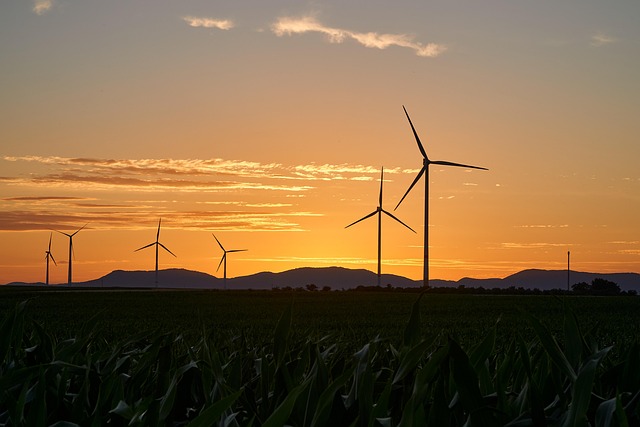
India’s Industrial Policies Aligning with Clean Energy Objectives
Recent industrial policies integrate renewable energy goals directly into manufacturing strategies. The government’s focus on reducing carbon intensity aligns with commitments made under the Paris Agreement and India’s 2070 net-zero target. Sectors such as steel, cement, and chemicals are adopting solar and wind power procurement models to meet sustainability benchmarks while maintaining production reliability.
Government Initiatives Encouraging Renewable Integration
Initiatives like the National Green Hydrogen Mission and expanded PLI schemes have catalyzed clean energy adoption across sectors. These programs incentivize domestic manufacturing of renewable components, from solar modules to electrolyzers, creating an ecosystem that supports both supply chain resilience and emission reduction.
Clean Energy as an Indicator of Competitiveness
Industrial competitiveness now includes sustainability metrics alongside productivity. Companies that integrate renewable power demonstrate lower lifecycle costs and improved investor confidence. As global markets impose carbon border adjustments, India’s industries stand to gain from early adoption of clean energy solutions.
Economic Rationale Behind Clean Energy Investments
The economic logic behind clean energy integration is increasingly clear: lower operational costs, reduced volatility, and stronger investor appeal all contribute to industrial resilience.
Lower Operational Costs Through Renewables
Industries switching to renewable power through open-access models or captive solar plants report significant cost savings. Renewable tariffs have dropped below conventional grid rates in several states, making renewables an economically sound choice rather than a compliance measure.
Diversification Reducing Fossil Fuel Exposure
By diversifying energy sources through solar, wind, biomass, and hydropower mixes, industries reduce exposure to fossil fuel price shocks. This diversification also enhances supply security during peak demand periods or geopolitical disruptions affecting fuel imports.
Investor Confidence Through ESG Alignment
Global investors increasingly favor companies aligning with ESG standards. Indian firms that disclose carbon footprints and adopt green financing instruments attract better capital terms from institutional investors focused on climate-positive portfolios.
Policy Frameworks Supporting Clean Energy Integration in Industry
A robust policy environment underpins India’s clean industrial transition. Both national directives and state-level reforms are shaping an enabling ecosystem for widespread adoption.
National and State-Level Policy Initiatives
Production-linked incentives for renewable technologies now extend beyond solar PV to include advanced batteries and green hydrogen equipment. States have strengthened Renewable Purchase Obligations (RPOs), compelling large consumers to procure defined shares of renewable power annually. Tax rebates on energy-efficient machinery further support this shift.
Regulatory Reforms and Infrastructure Development
Grid modernization projects are underway to manage decentralized generation from rooftop solar or microgrids within industrial zones. Open-access regulations allow factories to contract directly with renewable producers without distribution intermediaries. Green corridors are being built across Rajasthan, Gujarat, and Tamil Nadu to transmit renewable electricity reliably from generation hubs to consumption centers.
Technological Innovations Driving Industrial Decarbonization
Technology remains the backbone of India’s decarbonization strategy. From hybrid renewables to digitalized management systems, innovations are reshaping how industries consume and manage power.
Renewable Energy Technologies in Industrial Applications
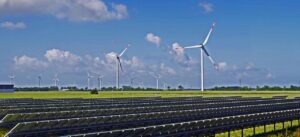
Hybrid systems combining solar PV with wind turbines now supply consistent power for manufacturing clusters in Gujarat and Maharashtra. Biomass boilers replace coal-based process heat in agro-industries, while waste-to-energy units handle urban refuse streams near industrial parks. Research into small modular reactors offers potential low-carbon baseload options for future heavy industry operations.
Digitalization and Smart Energy Management Systems
AI-based analytics platforms forecast demand patterns across production lines, allowing real-time load balancing between grid supply and captive generation. IoT sensors monitor temperature control in furnaces or compressors to minimize wastage. Blockchain systems enable transparent tracking of carbon credits traded between producers within emission trading schemes.
The Role of Green Hydrogen and Electrification in Industrial Growth
Green hydrogen is emerging as a transformative vector for deep decarbonization across hard-to-abate sectors while electrification redefines process efficiency standards.
Green Hydrogen as Feedstock and Fuel Substitute
Hydrogen derived from electrolysis using renewable electricity replaces coking coal in steelmaking pilots by public-sector enterprises such as SAIL. In fertilizers and chemicals, it substitutes natural gas feedstocks, cutting emissions substantially while maintaining product quality standards consistent with export requirements.
Scaling Domestic Electrolyzer Manufacturing
Domestic electrolyzer capacity expansion under PLI programs aims to meet projected hydrogen demand exceeding five million tonnes annually by 2030. Collaboration among public utilities and private developers accelerates the establishment of regional hydrogen hubs near ports like Kandla and Paradip for both domestic use and export potential.
Electrification of Industrial Processes
Heavy industries are transitioning from thermal-based operations toward electric furnaces powered by renewables. High-efficiency heat pumps replace fossil-fuel boilers in food processing or textiles sectors. However, challenges persist around grid stability during high-load periods, requiring investment in battery storage systems integrated into local substations.
Financing Mechanisms Enabling the Clean Energy Transition
Financing remains pivotal for scaling industrial clean energy projects at pace with national targets.
Institutional Investments and Green Bonds
Climate-focused funds managed by pension institutions now allocate capital toward decarbonization projects within cement or metal clusters. Sovereign green bonds issued by the Government of India finance large-scale transmission infrastructure dedicated to renewables integration. Multilateral banks provide risk guarantees that lower borrowing costs for first-time adopters of advanced clean technologies.
Public–Private Partnerships (PPPs) in Energy Infrastructure
PPP frameworks facilitate co-investment between government agencies and private developers in shared infrastructure like hydrogen pipelines or district cooling networks serving multiple factories. Long-term Power Purchase Agreements (PPAs) between producers and consumers create predictable revenue flows critical for project bankability while promoting technology transfer across partners.
Enhancing Global Competitiveness Through Clean Energy Adoption
Clean energy adoption strengthens India’s position as a sustainable manufacturing hub capable of meeting evolving international trade norms centered on carbon accountability.
Positioning India as a Low-Carbon Manufacturing Hub
Export-oriented manufacturers benefit from reduced emissions profiles when facing Carbon Border Adjustment Mechanisms (CBAM) imposed by major markets such as the EU. Branding products as “Made in India – Green Certified” creates differentiation advantages within global supply chains emphasizing sustainability compliance standards verified through ISO 14064 frameworks.
Workforce Development and Skill Enhancement
To sustain this transition, workforce development becomes essential. Training programs supported by industry associations focus on integrating renewables into plant operations while upskilling technicians for digital control systems used in smart factories. Partnerships with technical universities drive R&D on cleaner production methods tailored for Indian conditions where resource efficiency remains critical.
Measuring Progress: Metrics, Benchmarks, and Future Outlook?
Tracking measurable outcomes ensures accountability across sectors aiming at net-zero alignment by 2070 while maintaining growth momentum.
Key Performance Indicators for Industrial Sustainability
Benchmarks set during CII Summit 2026 include reducing carbon intensity per unit output by up to 45 percent relative to 2005 levels by mid-decade. Industries target achieving at least 30 percent renewable share within total consumption portfolios by 2026 through captive installations or purchase agreements validated via ISO 50001 audits ensuring standardized reporting practices nationwide.
Future Pathways Toward Net-Zero Industrial Ecosystems
Future pathways emphasize circular economy integration—using recycled materials within production loops—and sectoral roadmaps synchronized with national climate commitments under updated NDCs submitted to UNFCCC frameworks. Continuous innovation linking clean energy systems with advanced materials science fosters synergistic growth between sustainability objectives and competitiveness ambitions alike.
FAQ
Q1: What role does clean energy play in improving industrial competitiveness?
A: It reduces operational costs, stabilizes input prices, enhances ESG compliance scores, and positions firms favorably under international carbon regulations such as CBAM frameworks.
Q2: How do government policies support industry-level clean energy integration?
A: Through incentives like PLI schemes for renewables manufacturing, mandatory RPOs at state level, tax benefits on efficient equipment purchases, plus open-access power reforms enabling direct sourcing from green producers.
Q3: Which technologies are most influential in decarbonizing Indian industry?
A: Solar-wind hybrids for electricity supply, biomass boilers replacing coal heat sources, AI-based monitoring tools optimizing consumption patterns across production lines all contribute significantly toward emission reduction goals.
Q4: Why is green hydrogen considered vital for heavy industries?
A: Because it substitutes fossil fuels used as feedstocks or heat sources within steelmaking or chemical processes without compromising output quality while cutting CO₂ emissions drastically over time horizons aligned with net-zero targets.
Q5: What challenges remain before full-scale electrification becomes viable?
A: Grid capacity constraints during peak hours plus limited storage infrastructure still pose hurdles; addressing these requires coordinated investment into transmission upgrades alongside deployment of large-scale battery systems near consumption centers.