
Clean energy electricity acts as the main foundation for the world’s move to a low-carbon way of life right now. Governments, companies, and people putting in money are all joining up for net-zero plans. Renewable power comes from things like solar, wind, hydro, and geothermal. All these are changing how we get and use energy. This piece looks into the fresh changes in clean energy electricity markets. It covers tech steps forward, rules from leaders, and money flows that push the big global switch. You know, with all the talk about climate these days, it’s no wonder everyone is paying closer attention.
How Is the Global Clean Energy Electricity Market Evolving?
The clean energy electricity market grew fast in the last ten years. Things like help from rules, cheaper tech costs, and more worry about the planet drive this boom. The International Energy Agency (IEA) says renewable power space went up by more than 50% from 2015 to 2023. That climb will probably keep going. Countries work hard to cut carbon in their power parts. And honestly, bad weather stories in the news make the need feel even more pressing. It’s like the world is waking up to the real stakes involved.
Global Investment Trends in Renewable Electricity
Money going into renewable electricity hit about USD 495 billion back in 2023 (source: BloombergNEF). Solar photovoltaics grabbed almost half of it. Wind power came right after. Places like India and Brazil, which are building up, had big auctions for renewables. Those pulled in folks investing from all over. They look for solid gains and long deals for buying power. For instance, in India, the newest auction got bids for over 10 gigawatts of solar at prices never seen before. Deals like that don’t just add funds. They also make jobs right in the area. Watching neighborhoods gain from this is pretty uplifting. Take a small town in India; suddenly, locals have steady work fixing panels, which changes family lives overnight.
Regional Market Dynamics
Europe keeps at the front for using clean energy. Tough rules on climate and ways to price carbon explain why. The Asia-Pacific area moves ahead quickly. China put in more than 100 GW of new solar in 2023. The United States keeps growing its renewable supplies. Help from the national level, like the Inflation Reduction Act, backs it up. That law pays for huge wind and solar setups. In spots like Texas in the United States, wide open lands now give a lot of power from wind machines. Farmers there get excited about it. They earn extra by renting out their fields for the towers. It’s a win for the land and their wallets, though some still worry about bird paths.
Corporate Power Purchase Agreements
Companies want more clean energy electricity now. They go after goals for being green. Big tech names like Google and Microsoft signed up for large power purchase agreements (PPAs) with folks building renewables. These deals cut down on bad gases a lot. Plus, they keep power bills steady for places like data centers and factories. Think about Microsoft. It plans to run on 100% renewable by 2025. The company’s PPAs with wind spots in the Midwest show real drive. Now and then, bad weather slows things down in these pacts. But overall, they move the whole field forward. In one case, a storm delayed a farm, but it bounced back stronger with better planning.
What Technological Innovations Are Shaping Clean Energy Electricity?
Tech sits right in the middle of making clean energy grow in smart ways. Digital helpers, better stuff to build with, and clever grid setups lift how well renewables do. They cut costs for running things every day too. These changes make everyday power more steady for all of us. It’s nice to see how it all ties into real life, like keeping lights on during quiet evenings.
Advances in Solar Photovoltaics
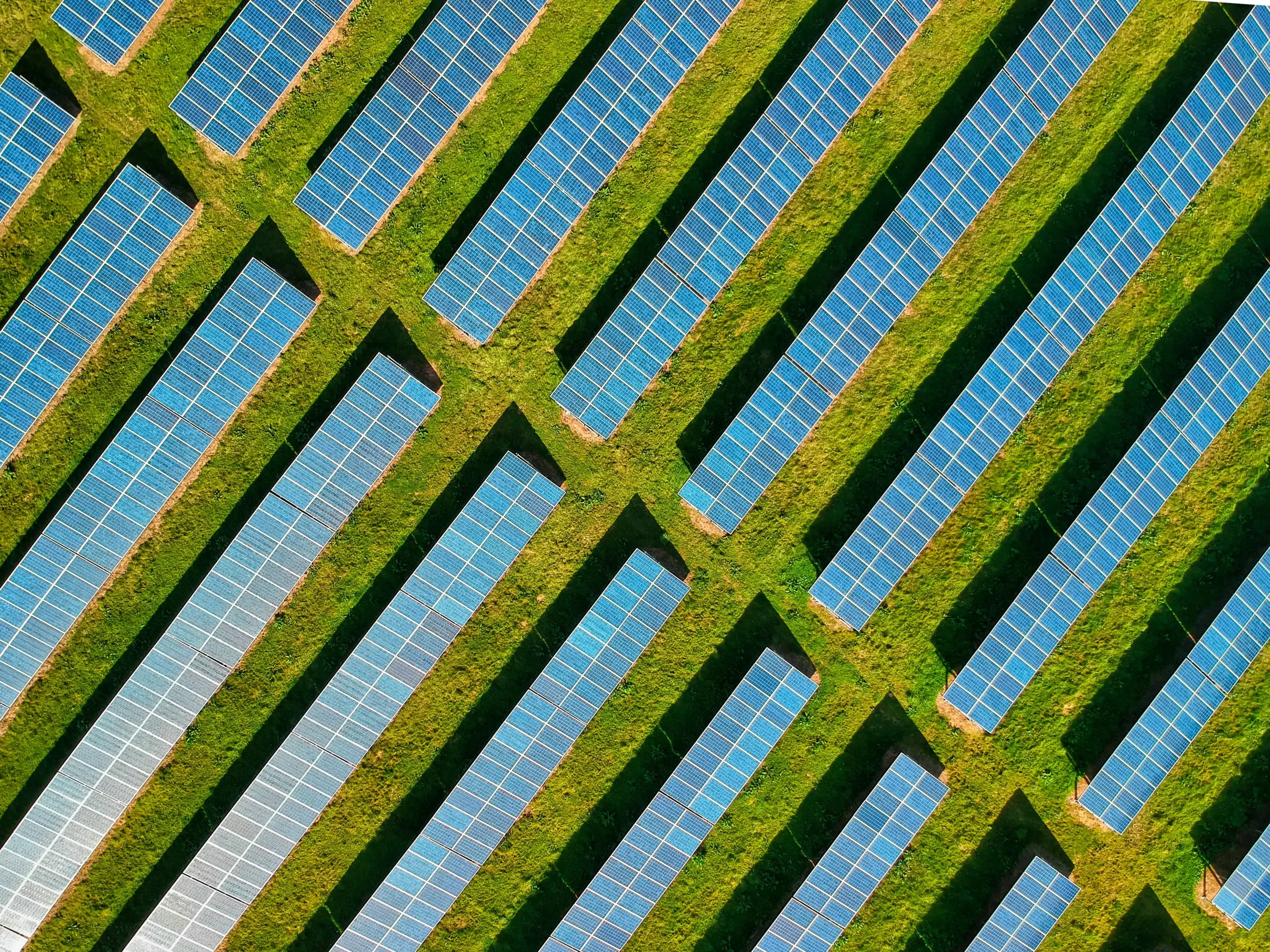
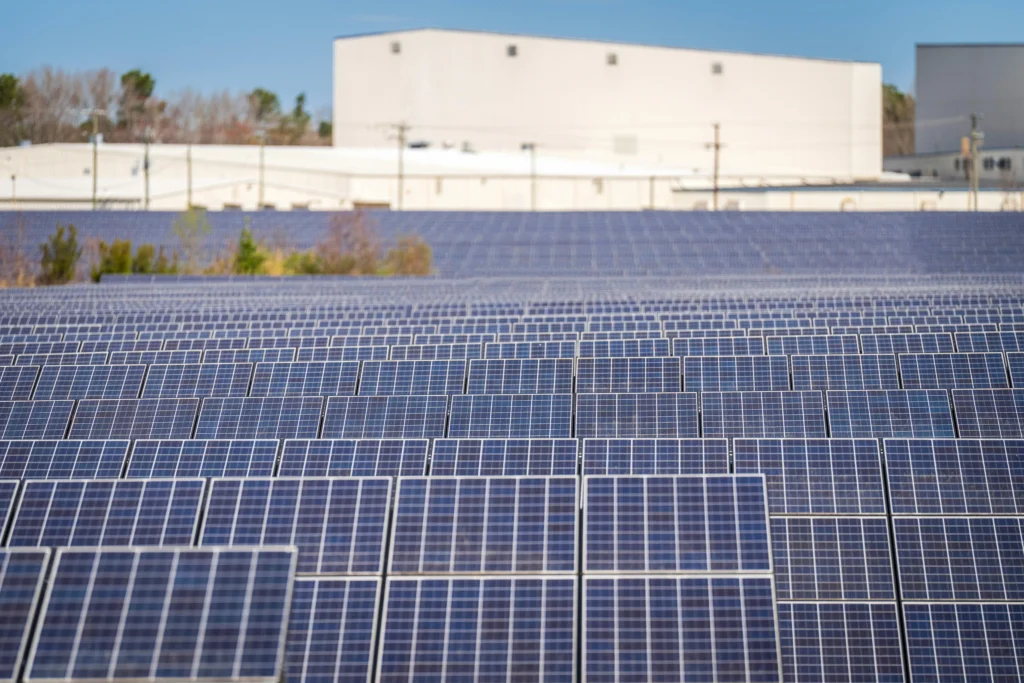
Solar tech moves along at a good pace. New types like perovskite-silicon tandem cells hit high marks over 30% for turning sun to power. Builders use panels that catch light on both sides now. So, they pull in more energy without taking extra room. Floating solar setups pop up as a smart fix for spots low on land. In Singapore, for example, they sit on lakes to feed homes without using more ground. This way works well. It fits tight city spaces nicely. Imagine paddling a boat under them—kind of cool, right?
Wind Turbine Efficiency Improvements
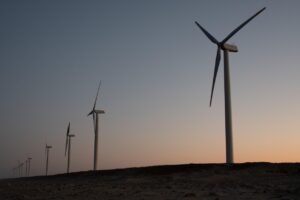
Wind turbines today go past 14 MW each. Bigger turning parts and better shaped blades for wind flow help a bunch. Wind farms out at sea go further from shore. The breezes blow harder and even there. Watch tools using AI spot fix needs early. That stops sudden breaks. Look at a wind farm by Denmark’s coast. It uses these to keep turbines running 98% of the time. Little changes like that bring big jumps in what they make. In a full year, the extra power really shows up in the numbers.
Energy Storage Integration
Storing energy handles the ups and downs from renewables. Lithium-ion battery places went over 100 GWh around the world in 2023. Big storage plans let power groups grab extra from solar or wind. They keep it when making is high. Then, they let it out when folks need it most. Fresh ideas like solid-state batteries and green hydrogen ways could add more choices. In California, a large battery spot stopped blackouts in last summer’s hot times. This shows storage is more than handy. It keeps the grid from falling apart. If we didn’t have it, normal days might get messy with more power cuts. One hot day last year, it saved the day for thousands of homes.
How Are Policies Driving Clean Energy Expansion?
Rules from governments set how quick clean energy spreads out everywhere. Aids like money help, tax breaks, carbon costs, and rule tweaks guide where cash goes in power. These parts work together for a helpful setting. At times, different country wants make it tricky. Like, one place focuses on jobs while another pushes green fast—it’s a mix.
National Renewable Targets
Over 130 countries set aims for renewables or net-zero in plans like the Paris Agreement (UNFCCC). The European Union wants at least 42.5% renewables in all its energy by 2030. China plans for one-third of power from non-fossil by the decade’s middle. Goals like these get builders moving. Reaching them takes hard work, especially in hard-to-reach spots. Things move at different speeds, but the path looks good. In some far-off islands, it’s tougher, but small wins build up.
Incentives and Tax Credits
Money boosts start projects faster. The U.S. Production Tax Credit (PTC) and Investment Tax Credit (ITC) back wind and solar for a long time. Many growing spots offer set prices or auction helps. These lock in rates for renewable makers over years. In Brazil, that led to more hydro and wind together. Not every try works perfect. Some face money blocks. But mostly, it runs well. It keeps growth going steady. From what I’ve heard in talks, it really helps new builders get off the ground.
Carbon Pricing Mechanisms
Pricing carbon with trade systems for emissions pushes companies to pick cleaner ways. The EU Emissions Trading System is a top spot for buying carbon rights. Canada’s whole-country carbon tax shows how money rules add costs to dirty air. In the end, it makes clean picks cheaper. Companies in Europe often switch to renewables to skip those fees. It happens slow. But it keeps a steady pull. As years go by, it changes how whole groups act. One factory owner I read about saved big by going solar to dodge the tax.
What Role Does Grid Modernization Play?
As more renewables join in, the grid setup must change. It has to deal with power coming from many places. At the same time, it keeps things safe and steady over lines. This change is key for smooth work. Slow updates can cause jams, like in some busy growing areas. It reminds me of traffic in a big city—needs better roads to flow right.
Smart Grids and Digitalization
Smart grids put in sensors and fast checks of data. They make work better by matching power to what people use now. Power companies add good meter tools. People can see their use right away on phones or home stuff. In Australia, these meters cut waste by 10% in some towns. Folks like knowing the facts. It helps them change how they use things. Loops like that build good ways over time. In one neighborhood, families cut bills by watching their apps daily.
Transmission Upgrades
Growing transmission lines link far renewable places to main lines. Europe’s North Sea Wind Power Hub brings together many sea wind farms over borders. It uses high-voltage direct current (HVDC) to lose less power on long trips. This way could light up homes for millions. Doing these upgrades takes time and cash. Yes, it gives planners headaches that last. Finding balance between spend and gain stays important. Projects like this often start with big dreams but hit real-world snags, like getting permits.
Distributed Generation Models
Distributed generation includes sun panels on roofs and small local power nets. It gives electricity straight to close people. It also takes load off old big systems. In farm lands of Africa and Southeast Asia, mini-grids with solar and storage give sure power. Big grids aren’t there yet. Take a village in Kenya. It has lights in schools now from such a setup. Stories like that show clear wins. They point out worth in out-of-way uses. Kids studying at night— that’s the real payoff.
How Are Financial Markets Responding to Clean Energy Electricity?
Money groups see clean energy starts as good spots for gains. They help guard against ups and downs in old fuel markets too. This view picks up speed in shaky economy times. People with money now pick steady picks for their bags.
Green Bonds Growth
Green bonds for renewable money went past USD 600 billion put out in 2023 (source: Climate Bonds Initiative). Big money holders like them for sure returns. They fit with rules for green, social, and good running (ESG). A key bond sale in 2023 paid for solar in India. It got funds from many places. Not every sale goes easy. But want for them keeps rising. This shows the market getting more sure of itself. In India, that bond helped build farms that now power small businesses.
Private Equity Participation
Private equity outfits put big amounts into large renewable works, storage spots, and grid fixes. Long pacts give even money flows. These draw retirement money looking for green holds in high-price times. Lately, a fund in the U.S. bought a set of wind things for steady cash. This step shows smart thinking in wild times. It spreads out what they own well. Such buys often come after long checks of weather data.
Risk Management Strategies
Tools like bets on weather protect builders from changes in nature stuff. Times with little wind or cloudy days hit solar making. Special cover for weather events guards pay from stops. In spots hit by big storms, these saved works last year. They give calm to those involved. Handling risks like this gets key as things get bigger. One project in the Gulf used it to weather a hurricane without losing a turbine.
Why Is Public Perception Important in Clean Energy Adoption?
What folks think shapes if rules stick around. It also sways how new builds get okayed. This plays a big part in growing renewables on a wide scale. Changes in how people feel can speed up or slow down steps, based on how much they join in. Sometimes, a local festival can tip the scales in favor.
Community Engagement Practices
Builders talk to nearby groups early when planning. They handle fears about land use and harm to nature. Clear chats build trust. This cuts fights that hold up big jobs. In the United Kingdom, a wind build finished quick after meetings with towns. Sharing info open helps a ton. It changes those against it to backers. In one case, a community garden was added to sweeten the deal.
Job Creation Benefits
The renewable work field hires over 13 million people world-wide, from IRENA’s 2023 look. Solar build places in Asia take on hundreds of thousands. Sea-side wind builds in Europe make special jobs. These bring real good to society besides less bad air. Jobs making solar panels, say, teach young workers fast. Chances like that make local money spots stronger. They open doors for learning skills. In a Chinese factory, new hires learn assembly in weeks, leading to family pride.
Environmental Awareness Campaigns
Teach drives point out pluses like better air and less need for fuel from far. They keep up spark for renewables. This holds even with minuses like high start money or changes to views from close wind farms. Programs in schools have kids chat about solar. These plant lasting like. They set up base for keep-going back. One school trip to a panel site got kids excited for years.
FAQ
Q1: What Is Driving Global Growth in Clean Energy Electricity?
A: Costs for tech dropping, with rules from governments helping, speed up sets worldwide. Pledges from private groups add push each year. Talks on climate in news pull in more people. Simple tales online build daily know-how. It’s spreading like wildfire in some cities.
Q2: Which Region Leads Renewable Power Generation?
A: Europe does best per person. But Asia-Pacific has the biggest total, thanks mostly to China’s solar moves since 2020. Huge sun setups in China’s dry lands now draw eyes with size. They turn empty spots into power centers. Visitors often snap photos of the endless rows.
Q3: How Does Energy Storage Support Renewables?
A: Batteries hold extra power. So grids handle low times for sun or wind. Steady stays through day turns. Without it, cuts might go up in bright spots like Arizona. Sure holds make big change in normal days. Last year, one battery kept a town running through a dust storm.
Q4: Are Fossil Fuels Still Necessary During Transition?
A: Yes, for a bit. Natural gas fills in as help till storage grows to cover full steady power in all weathers. It acts as a short bridge. The whole change needs time and new ideas. No rush, but steady steps count.
Q5: What Challenges Remain Ahead?
A: Big blocks mean speeding grid grows to match more needs. Getting battery stuff in green ways is another worry. Next ten years bring big jumps in power from cars and houses. Supply lines must change quick. If not, holds could come. Working together across groups will matter a lot. Think of it like building a bigger highway—takes planning to avoid jams.