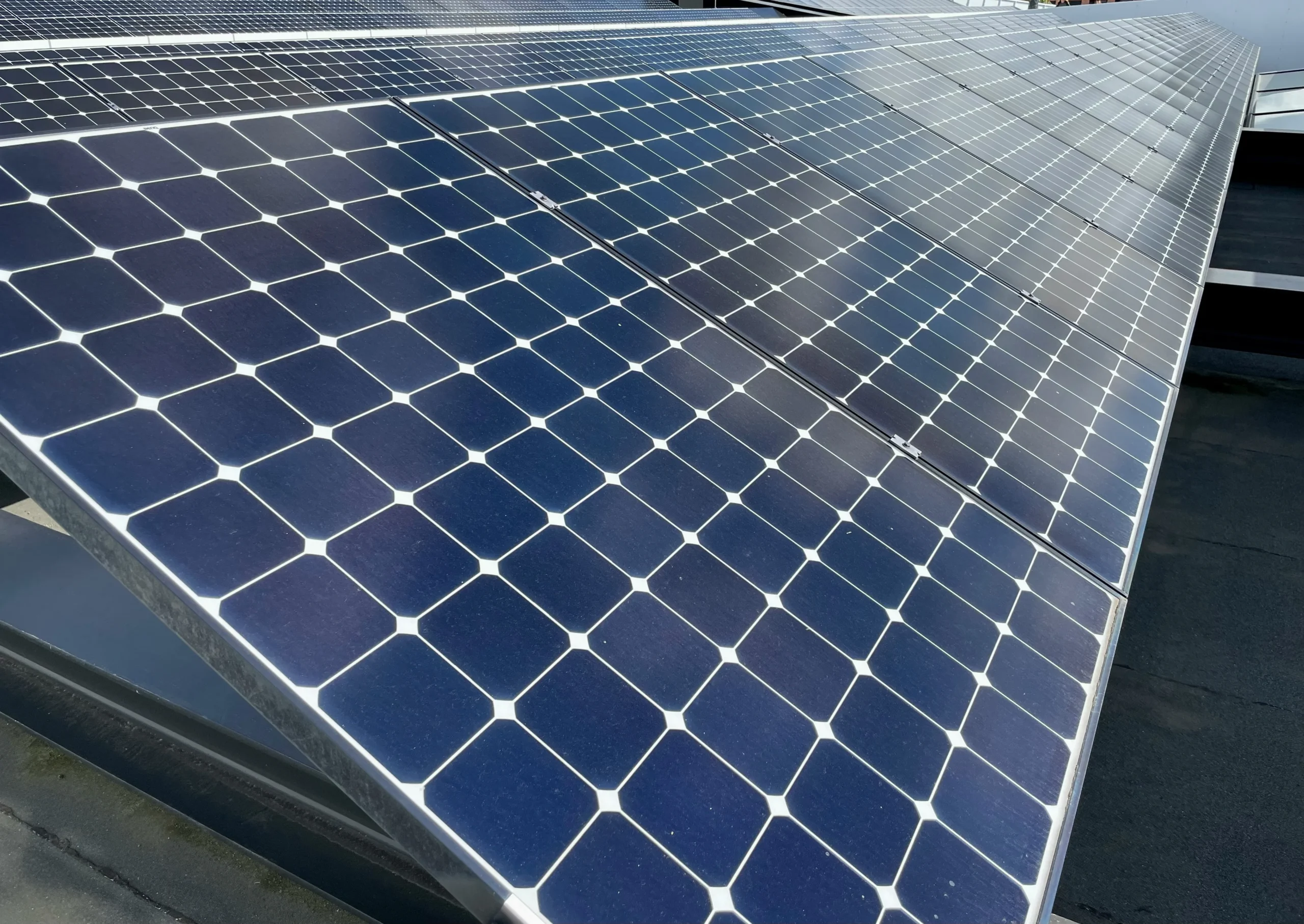

The worldwide market for solar clean technologies has grown quickly in the last ten years. This growth comes from strong needs to protect the environment and chances to make money. As more people use solar energy, keeping solar panels clean and well-maintained has turned into an important job. It helps panels produce the best amount of power. This piece looks at how prices work, what trends are happening in the market, and new tech changes in this new area.
What Are the Current Global Price Trends for Solar Clean?
Prices for solar clean services change a lot based on the place, the kind of tech used, and how big the project is. In places like North America and Europe, where things are more set up, service costs have become steady. This happens because machines do more work and companies compete harder. But in growing areas in Asia-Pacific and Africa, prices jump around. That’s due to hands-on work methods and problems with moving supplies.
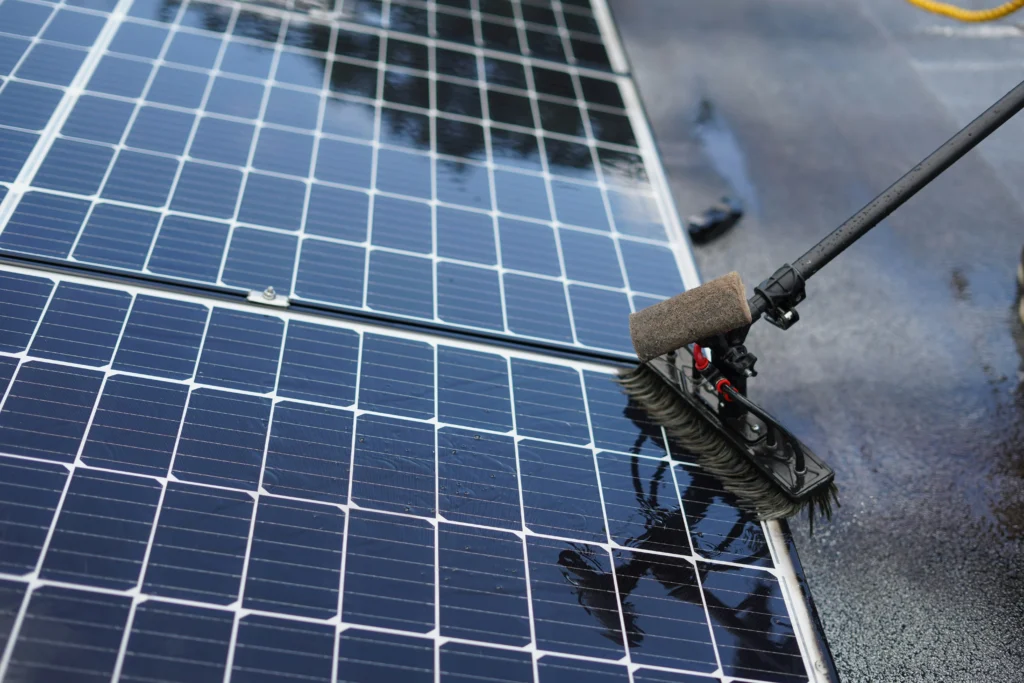
Solar clean prices usually get figured out by the square meter or by each panel. For big solar farms used by utilities, robots that clean automatically can cut running costs by as much as 40% over hand cleaning. This comes from the International Energy Agency in 2023. Things like seasons affect this too. In dusty spots like the Middle East, panels need cleaning more often. So yearly upkeep money goes up. I recall a solar farm in Dubai where dust storms meant cleaning every two weeks, which really added to their bills.
Regional Price Differences
Differences in worker pay, how much water is around, and rules from governments make service prices vary by area. Take India’s Rajasthan, for instance. There, people use hand dry-cleaning a lot because water is hard to find. In California’s Central Valley, though, robots that use very little water are common. These choices show how local setups help make costs better. It’s interesting how a place like Rajasthan saves water but spends more on labor, while California invests in tech to save time.
Impact of Technology on Pricing
Machines taking over has changed the money side of solar clean in a big way. Robots with sensors and smart AI for moving around have cut the time panels sit dirty. The first cost to buy them is still high. It can go over $100,000 for one unit. But over time, less need for workers saves a lot, so machines make sense for huge setups. From what I’ve seen in reports, a farm in Spain switched to robots and saw payback in just two years.
Influence of Supply Chain Costs
Problems in getting supplies during 2021–2022 showed weak spots in finding parts. Things like motors and brushes for robot cleaners went up in price by up to 25%. Global shipping has gotten better since then. Still, makers keep looking for different sources to avoid trouble later. This reminds me of how the pandemic hit small suppliers hard, forcing some farms to delay cleanings.
How Is Technology Transforming Solar Clean Operations?
New tech ideas are changing how we handle solar clean tasks. Tools from robots to number-crunching software do more than just speed things up. They also help panels last longer by cutting down on rough scratches during cleaning. It’s pretty cool to think about how these changes make the whole process smoother for everyday workers.
Robotic Cleaning Systems
Today’s robots use gentle microfiber brushes or blow air to clean without harming the solar surfaces. They work on their own at night or when light is low. This way, they don’t stop power making during the day. GPS mapping helps them move exactly right on big solar farms. In one case in Australia, these robots covered 50 acres overnight without a hitch.
Waterless Cleaning Techniques
In dry areas where water is rare, systems that shake off dust with electricity or vibrations are becoming popular. These methods skip water but work almost as well as wet cleaning. That’s a key win for solar setups in deserts. Operators in the Sahara are testing these now, and early results show they cut water use by 90%.
Data-Driven Maintenance Scheduling
Tools that predict problems now let workers pick the best times to clean. They look at how much dust builds up and what the weather might do. This cuts out extra trips that aren’t needed. At the same time, it keeps power output steady all year. For example, a plant in Texas uses this to clean only after big dust events, saving time and cash.
Why Does Market Demand for Solar Clean Continue to Grow?
The need for solar clean services around the world matches the rise in solar panel setups. More countries promise to hit zero emissions by 2050. So, keeping systems running at top speed is key to reaching clean energy aims. Sometimes, I wonder if we’ll see even faster growth as costs drop further.
Expansion of Utility-Scale Projects
Big solar farms over 100 MW are now normal in spots like China, the United States, and Spain. Each one needs steady upkeep plans. These include set times for cleaning panels as part of daily management. China’s massive projects, like the one in Tengger Desert, require teams of cleaners working round the clock.
Rising Awareness of Efficiency Losses
Research points out that dust buildup can drop panel work by 5–30%, based on where it is. This comes from the National Renewable Energy Laboratory. Knowing this has made money people and runners focus on regular cleaning. They see it as a way to get the most from their setups. In dusty India, one study found unclean panels lost 20% output in just a month.
Government Incentives and Regulations
Lots of governments put upkeep rules into money help for green energy or promises on how well it works. Japan’s feed-in tariff, for one, requires a certain power level. This pushes folks to use pro cleaning services often. Other places like Germany offer bonuses for well-kept farms, which encourages better habits.
What Challenges Affect Global Solar Clean Markets?
Even with good chances to grow, some tough spots slow down steady progress in different areas. These range from nature limits to not enough trained people.
Water Scarcity Issues
How much water gets used is still a big talk point in keeping solar clean. In dry weather where many huge projects sit, old wet-cleaning ways can hurt local water supplies. Moving to dry or mixed methods is key for the earth and for saving money. In places like Nevada, farms now mix methods to use half the water they did before.
Labor Shortages and Training Gaps
There aren’t enough skilled workers who can run fancy robot systems yet. Many new markets depend on hand work without set safety lessons. This raises dangers on big jobs. Training programs are popping up, but it’s slow going in rural spots.
Regulatory Fragmentation
No single set of rules worldwide makes it hard for companies to work across borders. Each country has its own safety rules and limits on chemicals or waste water from cleaning. This patchwork can delay projects, like when a firm in Europe had to redo plans for Asia.
How Do Economic Factors Influence Solar Clean Investment Decisions?
Money situations shape how people with cash decide where to put it in upkeep tools for green energy groups. It’s all about balancing short-term hits with long-term wins.
Cost-Benefit Analysis for Investors
People investing now look at full life costs, not just the starting price. A farm that’s cleaned well can hit 98% of its max power. Without care, it drops under 90% over time. This is from a BloombergNEF report in 2022. That gap means big money gains over many years. Investors in the US often run these numbers before signing on.
Financing Models for Service Providers
Some businesses use plans where you pay monthly for watching and set cleanings. This bundles everything into one fee. It gives steady income and cuts risks of stops for customers with many sites. In Europe, this model is catching on fast for small operators.
Currency Fluctuations and Material Costs
Changes in money value hit places that import robot parts or special cleaners from other countries. Big companies use ways to protect against these swings in budgets. Material prices can surprise you, like when steel costs rose last year and bumped up brush prices by 10%.
What Future Trends Are Shaping Solar Clean Markets?
In the years ahead, big patterns will affect how we put money into this area. These include worries about staying green and linking digital tools to manage assets better. Who knows, maybe drones will join the mix soon.
Integration with Smart Grids
As smart grid setups grow worldwide, sharing live data between plants and power companies will help. It allows timing upkeep based on real numbers, not just set dates. This could make everything run even smoother in the future.
Sustainability-Driven Innovation
Makers are creating cleaners from plants that break down naturally for solar materials. These leave little mess but remove dust well. It’s a small change, but it helps make work greener overall. Tests in labs show they work 95% as good as old ones.
Regional Consolidation Among Service Providers
The market will see bigger companies buy smaller ones to cover more ground. This might bring set prices everywhere and better checks on quality through shared training. In Asia, we’ve already seen a few big deals that sped up services.
FAQ
Q1: What factors most influence solar clean pricing worldwide?
A: Main things are worker pay in the area, how much tech like robots gets used over hand work, weather there that changes how often you clean, and costs to get equipment from suppliers. These mix to set the final bill.
Q2: How often should commercial solar panels be cleaned?
A: It varies by the spot. Dusty places might need it every month. Mild areas could do just twice a year. Check performance numbers to decide right.
Q3: Are robotic cleaners suitable for all types of installations?
A: No, not every time. Rough ground or close rooftop setups can block robots. But new flexible designs are getting better for all kinds of places around the world.
Q4: What environmental concerns exist regarding traditional wet-cleaning methods?
A: Using too much water is a problem, especially in dry lands. So many switch to no-water or mixed ways to keep things efficient and kind to nature.
Q5: Which regions show fastest growth in demand for solar clean services?
A: Asia-Pacific is out front with quick solar builds in China and India. The Middle East follows, with big desert farms needing cleanings often.