
Solar panels work to catch sunlight well. But their output can drop when dust, pollen, or bird droppings build up on top. For workers handling big setups or home systems, the right way to clean solar panels goes beyond looks. It helps get more power and keeps the investment safe for years. This piece looks at the tech side, ways to do it, and results from various cleaning approaches.
Why Does Cleaning Frequency Matter for Solar Panel Efficiency?
How often you clean changes how much sun hits the photovoltaic cells. A small bit of dirt can stop light and cut down on how well it turns sun into power. Reports from the National Renewable Energy Laboratory (NREL) say dirty panels lose from 10% to 25% of their energy, based on things like dust storms or dirty air. That’s a big hit if you run many panels in a solar farm.
Impact of Dirt Accumulation on Power Output
Dust buildup alters how light passes through the solar glass. In dry spots like Nevada or Dubai, with lots of sand in the air, power drops can go over 30% in just weeks without care. Take a real case: a 5 kW setup might fall to about 3.8 kW when dirt gets thick. Then, a quick clean brings it back up. I’ve seen this in field reports from installers in those areas—it’s frustrating but fixable.
Seasonal Factors Affecting Cleaning Needs
Rain helps with natural washing. In places near the sea or during wet times, panels clean themselves better than in dry inner lands. But rain doesn’t handle sticky stuff like pollen or bird mess. You still need hands-on work for that.
Monitoring Performance Degradation
Setting up watchers helps spot drops in work that mean it’s time to clean. Lots of folks use far-off data checks to match what they expect against what they get. If the gap goes over 5%, it’s smart to plan a wash. This way, you save money in the long run.
What Are the Most Effective Cleaning Methods?
Various ways fit different setups, based on how easy they are to reach, water supply, and rules about the environment. The top way to clean solar panels mixes good results with low chance of harm.
Manual Cleaning with Water and Soft Brushes
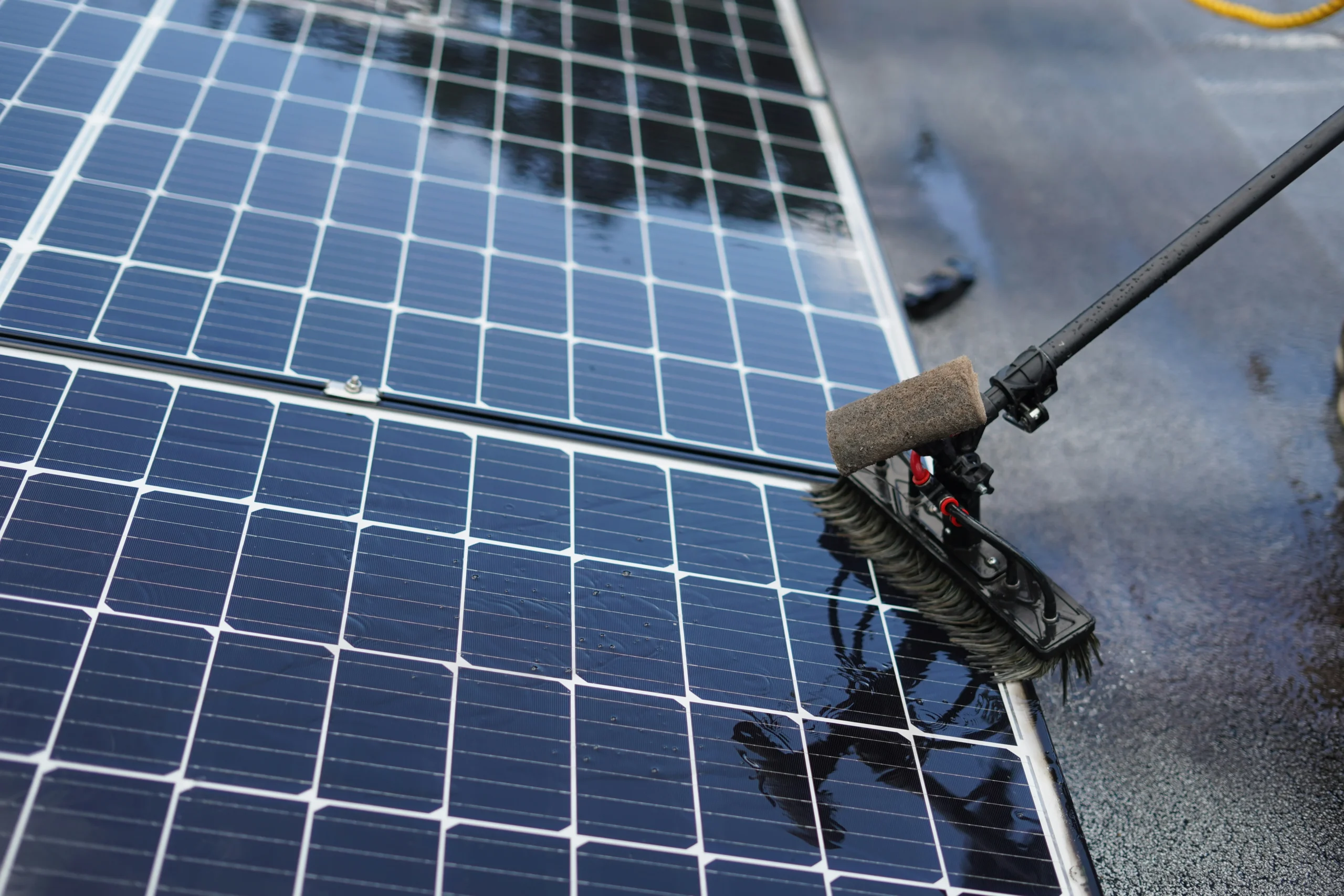
Hand washing stays popular for small jobs. Pick deionized water so no hard spots form, and use gentle microfiber brushes to avoid marks on the tough glass. Skip strong water sprays. They might hurt the seals at the edges.
Automated Robotic Systems for Large Installations
Robots for cleaning grow in use at big power plants. They move along rows of panels with soft spinning brushes or blasts of air. They use very little water. That’s key in dry lands where water is hard to find. In one project I read about in Arizona, these bots cut water use by half and kept output steady.
Waterless Cleaning Technologies
Dry methods with static electricity or shakes work well in spots with tight water rules. They cost more at first. But over time, they save on running costs by skipping water buying and waste handling. It’s a trade-off that pays off in places like California farms.
How Do Environmental Conditions Influence Cleaning Strategy?
The surroundings shape not just how often to clean but also the best tools to use. Weather and air quality play big roles here.
Arid and Dusty Regions
In deserts or factory areas with plenty of dust, regular light brushing plus coatings that fight static cut dust sticking by up to 50%. Workers often set cleanings every two weeks in high-dust times. This keeps things running smooth without too much hassle.
Coastal and Humid Areas
Salt from sea air speeds up rust if you don’t clean fast. Mild soaps made for solar glass break down salt without messing up the top layers.
Urban Environments with Pollution Exposure
City smoke leaves greasy layers that rain can’t clear. Special green solvents, okayed by makers, wipe them off safely. This keeps the warranty safe too. In busy spots like New York rooftops, this makes a real difference in yearly checks.
What Safety Measures Should Be Considered During Cleaning?
Cleaning means dealing with power gear up high. Safety steps come first, always.
Electrical Isolation Procedures
Cut off the DC lines at the combiner box before touching panels. This stops shocks. Check with a voltage tool to make sure it’s off. Skipping this can lead to bad accidents, as some old reports show.
Personal Protective Equipment (PPE)
Workers need rubber gloves, shoes that grip, and belts for high spots. Drink water often in heat, since panels get over 60°C in the sun. It’s basic but vital—heat knocks out more folks than you’d think.
Preventing Surface Damage
Stay away from rough stuff like wire pads or strong cleaners. They wear down the light-bouncing layers. Small cuts spread light wrong and cut power for good. Gentle care lasts longer.
How Does Cleaning Frequency Affect Return on Investment?
How often you clean ties right into money back by weighing fix-up costs against extra power gained. It’s all about smart planning.
Cost-Benefit Analysis Models
For business setups, number-based plans figure out cash from each wash versus worker and supply costs. In dusty spots, cleans four times a year can boost yearly money by up to 15% over twice-a-year. Real numbers from a Texas farm showed this payback in under a year.
Long-Term Maintenance Planning
Adding cleans to regular checks cuts surprise stops and stretches panel life past 25 years. It fights rust from built-up dirt too. Good habits build better results over time.
Technological Integration for ROI Optimization
Smart systems with AI now guess best clean times from weather info and sensors. They take over choices that used to need people. This makes things easier and more precise. In practice, farms using this see fewer mistakes.
Are There Sustainable Practices for Solar Panel Cleaning?
Green ways count in upkeep too. Using too much water goes against what solar stands for. So, smart choices help the planet.
Use of Recycled or Greywater Systems
Some teams clean used water with filters like reverse osmosis for reuse. This drops fresh water needs by more than 70%. It’s a simple switch that saves resources in water-short areas.
Biodegradable Cleaning Agents
Nature-friendly soaps break down without hurting plants or ground bugs. That’s key for setups near fields. They work well and leave no mess behind.
Minimizing Carbon Footprint Through Automation
Bots run on tiny solar bits, so no outside power needed. This fits green goals and cuts smoke from gas trucks. One study in Spain found it lowered travel emissions by 40%. Plus, it’s quieter on site.
FAQ
Q1: How often should you clean solar panels?
A: It varies by spot. For home systems, aim for every three to six months. In dusty work areas, do it monthly. Adjust based on what you see in output drops.
Q2: Can rainwater keep solar panels clean enough?
A: Rain does some good. But it misses tough spots like bird droppings or pollen. You need hands-on help now and then. In rainy places, it cuts work, but not fully.
Q3: Is it safe to use tap water for cleaning?
A: Tap water can spot up with minerals. Go for deionized or distilled for clean finishes. It’s worth the extra step to avoid streaks.
Q4: Do automated robots damage panels?
A: New robots use soft parts and light touch. They’re built not to scratch photovoltaic faces. Tests show they handle well over years.
Q5: What’s the best way to clean solar panels sustainably?
A: Mix robot dry cleans with green soaps. It’s great for big jobs and kind to the earth. Many farms swear by this combo for long-term wins.