
The world of energy is changing quicker than before. Governments want zero carbon emissions, and investors turn to green options. You might see how the green energy electric company area grows each day. Tracking prices, market shifts, and policy changes matter a lot now. They shape business plans. This piece looks at how worldwide pricing ways, new tech, and local factors guide the path of green energy electric companies.
How Do Global Price Trends Influence Green Energy Electric Companies?
Changes in prices for renewable energy markets hit investment times, making costs, and how people use it. You cannot pull pricing away from growth. It forms a cycle that guides every choice. From planning buildings to reporting to owners, it all connects.
Renewable Energy Pricing Mechanisms
Pricing for renewable energy often comes from long deals like Power Purchase Agreements (PPAs). These keep money coming in steady, even when markets jump around. Feed-in tariffs dropped in Europe after 2020. So, companies turn to contests or straight sales in the market. This change makes firms work harder on being better and cutting costs to make power. They do this by getting bigger and trying new ideas. Think about a small solar farm in Germany. It once got fixed payments from the government. Now, it bids in auctions. That pushes the owner to add better panels to win.
Impact of Commodity Prices
Renewables use wind or sun for power. But they link to goods markets too. The price of lithium for batteries or copper for wires can change if a project works or not. It might shift by ten percent or more. In 2023, BloombergNEF said lithium costs dropped almost 70% from too much supply in China. This changed how battery storage works around the world. For instance, a wind farm in Texas saved money on new batteries because of that drop. It helped them store extra power for rainy days, or rather, calm ones without wind.
Role of Government Incentives
Extra help from governments plays a big part in how prices work worldwide. The U.S. Inflation Reduction Act from 2022 kept tax breaks for solar and wind jobs up to 30%. The EU’s Green Deal does the same through 2030. These plans protect companies from price jumps. But they also start tough fights among builders for spots on the grid. Imagine a young company in California. It uses those tax credits to build a solar plant. Without them, the costs would eat up profits too fast.
What Market Trends Are Defining the Future of Green Energy Electric Companies?
The push in the renewable field is clear. But it splits by area, tech kind, and how ready policies are. Some trends come and go. Others show big changes in how things work. Overall, it’s exciting, though not without bumps along the way.
Expansion of Distributed Generation
Things like solar on house roofs or small wind setups have left small roles behind. The International Energy Agency (IEA) says distributed solar power will hit 500 GW around the world by 2030. This move spreads out power markets. It lets people make their own energy. So, it tests old utility ways. Take a neighborhood in Australia. Homes with solar panels sell extra power back to the grid. That changes how the local utility thinks about its role.
Integration of Energy Storage
Storing energy is a must now. It forms the base. Grid teams need storage to even out power that comes and goes from renewables. Firms that add battery plans to what they offer get stronger. They handle low price times when folks use less. For example, a solar company in India pairs panels with batteries. This way, they sell power at night too, not just daytime.
Corporate Power Purchasing
Deals where companies buy power directly have jumped up. Businesses want steady energy bills and good marks for being green. Places like Amazon and Microsoft deal right with renewable makers. They skip utilities. This locks in rates for years. It guards against ups and downs in old fuel prices. It’s smart, really, because it fits their big goals for the planet.
How Does Technology Affect Price Tracking Accuracy?
Tech sets how quick you follow prices. It also shapes how you understand them. Tools like AI and blockchain make clear trades in power clearer. They help a lot in daily work.
AI-Driven Forecasting Tools
Smart computer programs look at weather info, how much power people use, and market signs right away. AI guessing can tell solar power output with more than 90% rightness in calm weather. This sharp view lets companies change their offers fast in power sales contests. Picture a team in Spain. They use AI to check clouds coming. It helps them plan better for the day’s output.
Blockchain-Based Energy Trading
Blockchain setups let people trade energy straight with each other. No middle folks needed. Every bit of power gets tracked from make to use. This builds trust and cuts fees. It’s a big step for spread-out markets. In a city like Brooklyn, neighbors might trade solar power via an app. It feels modern and fair.
Smart Metering Systems
Smart meters give detailed info on how much power gets used. This goes into plans for prices that change. Utilities can shift fees each hour based on how much power is there versus needed. It pushes people to use power wisely when renewables make the most, like sunny afternoons. Over time, this saves everyone money and cuts waste.
Why Are Regional Differences Crucial in Price Analysis?
Differences by area matter more for making money than the tech alone. A green energy electric company in Asia deals with other issues than one in Europe or North America. These spots each have their own stories.
Asia-Pacific Growth Momentum
The Asia-Pacific area leads the world’s renewable growth. It has lots of people and factory needs. China added more than 200 GW of new solar in 2023. That’s way more than everywhere else together, per IEA numbers. This boom comes from strong plans and money from the state. But it also means crowded ports for parts sometimes.
European Market Maturity
Europe has grown-up rules for energy. Growth is slower there. But things stay steady. Fixed payments from government are mostly gone. Now, contests pick winners based on how well they work, not just size. This makes small companies join with others or team up. In places like the UK, a tiny wind group might merge to bid bigger.
North American Policy Shifts
Rules in North America mix things up. The U.S. has strong help from the main government. Canada does it by each area. Still, both pull in big private money. Clear tax setups and growing markets for carbon credits help. For a firm in Ontario, provincial rules might slow things, but tax breaks speed them up again.
How Are Investors Responding to Green Energy Market Dynamics?
How investors feel has turned fully to green measures. Banks and funds now mix in ESG rules for their holdings. It’s a big change from just chasing quick cash.
Rise of Green Bonds
Green bonds pay for jobs that help the earth. The Climate Bonds Initiative said in 2023 that sales went over $500 billion first time ever. This shows investors like assets that match climate aims. They offer steady payoffs. A bond for a wind farm in Brazil might draw funds from Europe, linking far places.
Venture Capital in Clean Tech
Money from risk takers keeps flowing to new companies on grid fixes or better storage like solid-state batteries. These starts are small at first. But when they grow, they change costs for whole fields. I’ve heard stories of a garage startup in Silicon Valley turning into a big player after one good battery test.
Institutional Investment Strategies
Big funds like those for retirements or country money now put more into renewables. They see steady returns over time. This beats old fuel assets that swing with oil costs. It’s like betting on a slow horse that always finishes strong.
What Challenges Threaten Long-Term Profitability?
Things look good, but real blocks stay. From issues getting parts to unsure rules, these could slow steps if not fixed. It’s not all smooth sailing.
Supply Chain Constraints
Key items like cobalt or nickel have risks from a few countries like Congo or Indonesia. Problems there spread to making batteries or wind parts worldwide. A delay in shipping from Africa might halt a factory in Michigan for weeks. That eats into plans.
Grid Infrastructure Limitations
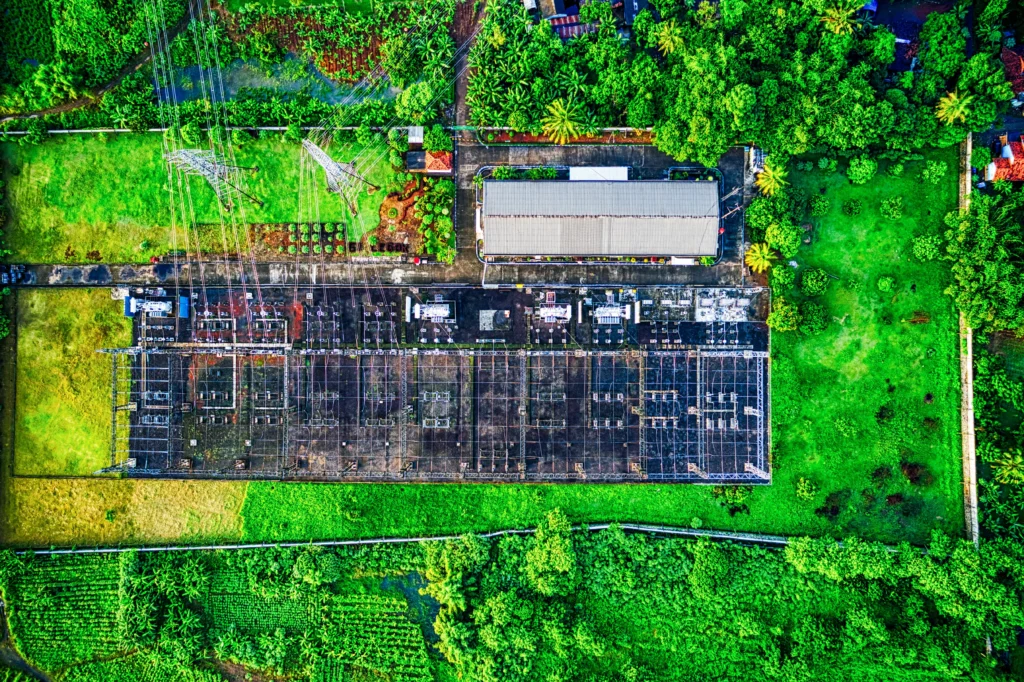
Old power lines were not made for power going both ways, like with renewables. Fixing them needs huge spending. McKinsey says $21 trillion worldwide by 2050 just for new lines. In rural areas of the Midwest, farms wait years for grid updates to connect their solar setups.
Regulatory Inconsistency
Rules that change often make long plans hard. Spain cut solar help back in the early 2010s without warning. That still makes investors wary, even as things get better now. A company might hold off on a big project until laws feel solid.
FAQ
Q1: What factors most influence global green energy prices?
A: Main ones are costs for raw stuff like lithium or copper. Government help like tax credits counts too. New tech cuts costs to make power as time goes on. Plus, weather plays a sneaky role sometimes, like a bad storm hiking repair bills.
Q2: How do corporate PPAs benefit green energy electric companies?
A: They bring steady money flows. This helps companies plan without worry from wild market swings. Corporations hit their green targets too, skipping shaky daily prices.
Q3: Why is storage integration critical for renewables?
A: It evens out ups and downs from sources like wind or solar. This keeps the grid steady in high use times or bad weather days. Without it, power might go to waste on windy nights.
Q4: Which region currently leads renewable expansion?
A: Asia-Pacific is ahead. China’s fast adds to capacity, backed by government cash and growing factory needs, drive it. They built massive fields in deserts that amaze visitors.
Q5: What role does technology play in price tracking?
A: Smart tools with AI make guesses more right. Blockchain keeps trades open and clear in spread-out power nets. It all makes following prices easier for daily decisions.