
What a horizontal axis wind mill means today
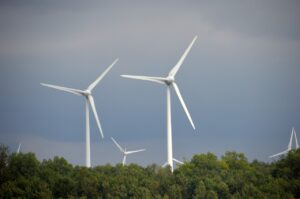
A horizontal axis wind mill is a machine whose main rotor shaft runs roughly parallel to the ground and points into, or away from, the wind. In modern power generation, the more accurate term is horizontal-axis wind turbine, because the equipment converts wind energy into electrical power rather than milling grain or pumping water. The layout is easy to recognize: a tower, a nacelle at the top, and blades rotating in a vertical plane. According to the U.S. Department of Energy, the most common modern configuration has three blades and operates upwind, meaning the blades face the wind before the tower does.
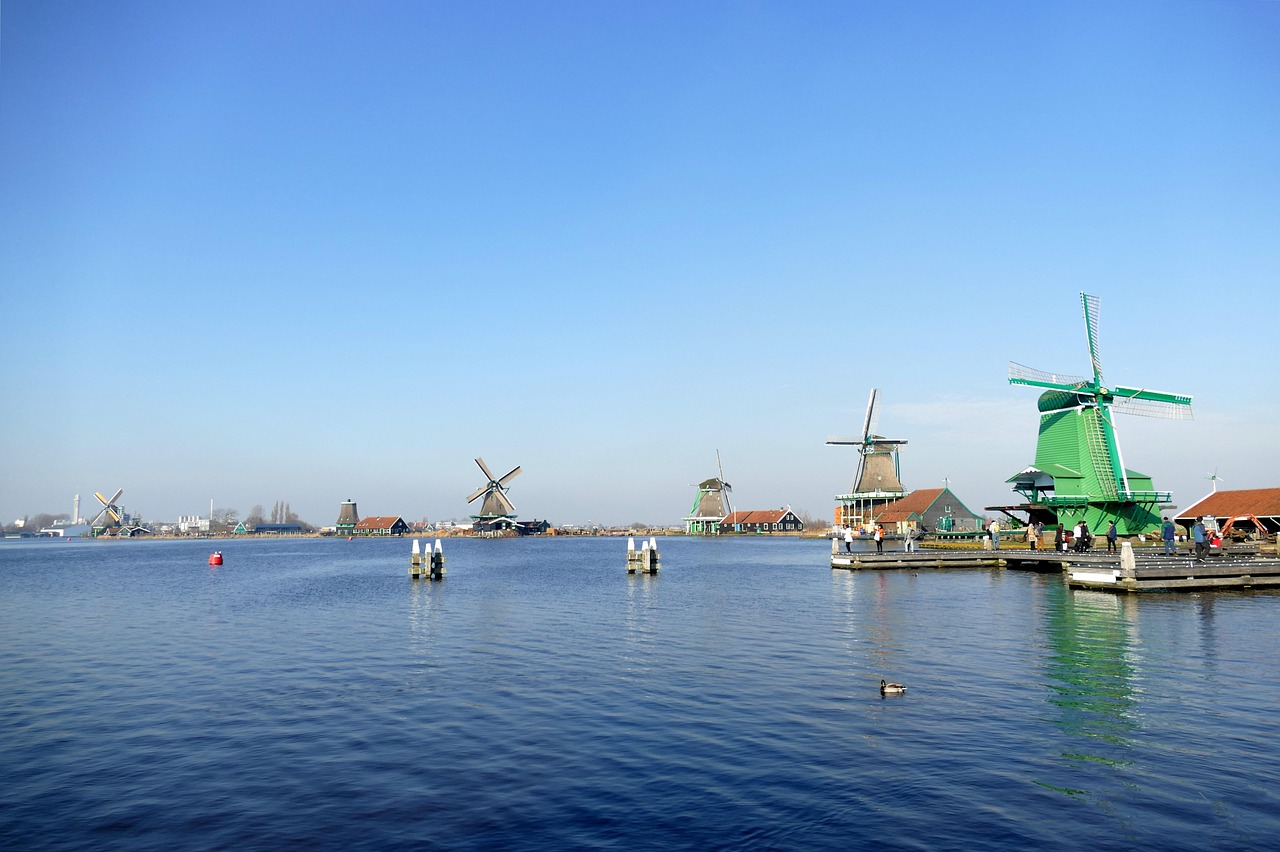
This article uses the search phrase because many readers still refer to the machine as a wind mill. For broader wind technology coverage, visit the wind energy section. The important point is that horizontal-axis machines are not simply a legacy shape. They remain the dominant design because they combine high aerodynamic efficiency, mature control systems, scalable manufacturing and proven grid integration.
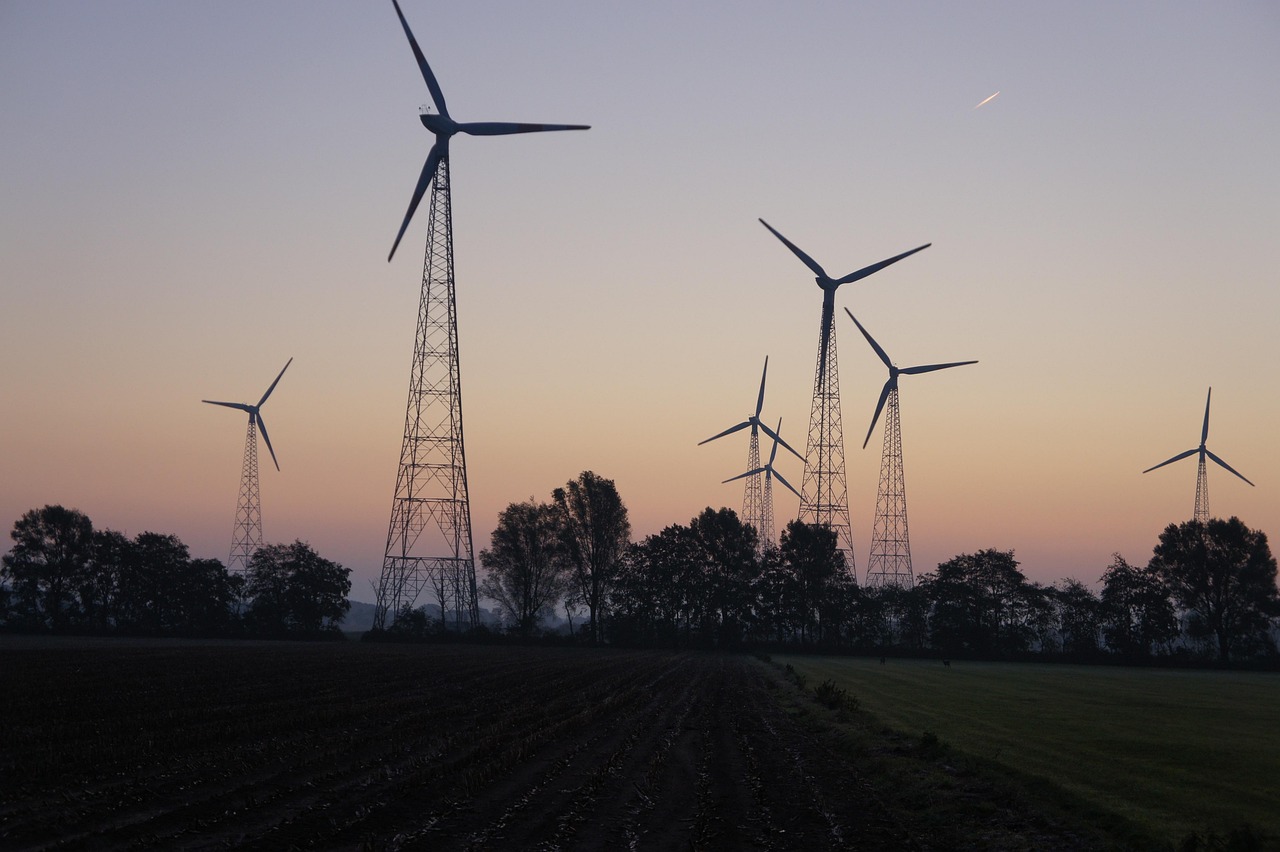
How the horizontal-axis design converts wind into electricity
A horizontal-axis turbine extracts part of the kinetic energy in moving air. As wind passes over each blade, the blade profile creates lift in much the same way as an aircraft wing. That lift produces torque around the hub and turns the rotor. The rotor is connected through a main shaft and drivetrain to a generator inside the nacelle, where mechanical rotation is converted into electricity.
Aerodynamic lift and swept area
The available wind energy depends heavily on wind speed and rotor size. The power available in wind rises with the cube of wind speed, so even a modest increase in average wind speed can make a large difference to annual energy production. Rotor diameter also matters because longer blades sweep a larger circular area. This is one reason utility-scale turbines have grown substantially over the past two decades.
No turbine can capture all the energy in the wind. The theoretical Betz limit caps the maximum share of wind kinetic energy that can be extracted by an ideal rotor at about 59.3%. Real machines operate below that limit because of blade losses, mechanical losses, electrical losses, wake effects and control choices made to protect equipment.
Control systems keep the rotor productive and safe
A modern horizontal-axis turbine is not a passive fan running in reverse. Sensors monitor wind speed, wind direction, vibration, temperature and electrical output. The yaw system turns the nacelle so the rotor faces the wind. The pitch system rotates each blade around its own long axis to optimize lift, reduce loads or slow the machine in strong winds. A controller manages startup, normal operation, curtailment and shutdown. The Department of Energy notes that controllers are used to prevent excessive rotor speed in high winds, which is essential for long-term safety and reliability.
Why three-blade upwind turbines dominate
The familiar three-blade upwind rotor is not the only possible horizontal-axis layout, but it has become the mainstream choice for grid-scale wind power. Two-blade turbines can reduce blade count and material use, while downwind turbines can simplify some yaw requirements. In commercial projects, however, three-blade upwind machines offer a strong balance of energy capture, structural loading, noise performance, visual familiarity, transport practicality and manufacturer experience.
Upwind orientation means the rotor meets relatively undisturbed air before the tower. That helps reduce periodic tower-shadow effects on the blades. Three blades also provide smoother rotational balance than one- or two-blade concepts, which can reduce cyclic loads on the drivetrain and tower. These engineering advantages help explain why the design has scaled from small distributed machines to multi-megawatt land-based and offshore turbines.
There are exceptions. Some small wind turbines use tail vanes rather than active yaw drives. Some experimental or specialized designs use different blade counts or downwind arrangements. Still, for commercial wind farms, the three-blade upwind horizontal-axis turbine remains the reference design against which alternatives are usually compared.
Key components and design choices to understand
For project owners, students and energy buyers, the main components of a horizontal axis wind mill are worth understanding because each affects performance, cost and maintenance. The overall architecture may look simple from the ground, but a modern turbine contains thousands of mechanical, electrical and digital parts.
| Component | Function | Why it matters |
|---|---|---|
| Blades and rotor | Capture wind energy through aerodynamic lift | Blade length, shape and materials strongly influence annual energy output and loads |
| Hub | Connects blades to the main shaft | Transfers large dynamic forces and often houses pitch mechanisms |
| Nacelle | Contains the drivetrain, generator, brake systems and controls | Central to reliability, service access and conversion efficiency |
| Yaw system | Turns the nacelle toward the wind | Improves energy capture and reduces off-axis loading |
| Pitch system | Adjusts blade angle | Optimizes output and protects the turbine in high winds |
| Tower | Raises the rotor into stronger, less turbulent wind | Hub height affects wind resource, foundation loads and permitting |
| Power electronics | Condition electricity for grid connection | Supports voltage, frequency and grid-code requirements |
Design choices are site-specific. A low-wind inland site may benefit from a larger rotor and lower specific power. A stronger-wind site may use a different rotor-generator balance to manage loads and cost. Offshore turbines can be much larger because marine transport avoids some road and bridge constraints, although installation vessels, ports, foundations and grid connections add their own complexity.
What recent data says about size, cost and performance
Public market data shows why horizontal-axis machines keep getting larger. Berkeley Lab’s 2024 Land-Based Wind Market Report, covering U.S. projects installed in 2023, reported an average newly installed land-based turbine rating of 3.4 MW, an average rotor diameter of 133.8 meters and an average hub height of 103.4 meters. The same report showed long-term growth in turbine capacity, rotor diameter and hub height compared with 1998–1999 levels.
IRENA’s Renewable Power Generation Costs in 2024 reported a global weighted-average levelized cost of electricity for newly commissioned onshore wind of USD 0.034 per kWh in 2024, down from USD 0.089 per kWh in 2010. IRENA also describes today’s new wind projects as commonly using turbine capacities in the 3–4 MW range onshore and 8–12 MW offshore. These figures do not mean every project is cheap or easy; they show the broad cost and scale trend for mature markets and well-developed supply chains.
| Data point | Reported value | Source context |
|---|---|---|
| Average U.S. land-based turbine rating in 2023 | 3.4 MW | Berkeley Lab 2024 report on 2023 installations |
| Average U.S. rotor diameter in 2023 | 133.8 meters | Berkeley Lab 2024 report |
| Average U.S. hub height in 2023 | 103.4 meters | Berkeley Lab 2024 report |
| Global weighted-average onshore wind LCOE in 2024 | USD 0.034 per kWh | IRENA renewable cost data for projects commissioned in 2024 |
| Common new turbine capacity range | 3–4 MW onshore, 8–12 MW offshore | IRENA wind energy overview |
The International Energy Agency’s Renewables 2025 analysis expects cumulative onshore wind additions during 2025–2030 to be higher than in the previous five-year period. That forecast depends on permitting, grids, auction design, interest rates, supply chains and policy stability. In other words, the horizontal-axis turbine is technically mature, but deployment still depends on market conditions. See also: clean energy.
Where horizontal-axis turbines are a strong fit and where they are not
Horizontal-axis wind turbines are strongest where the wind resource is sufficiently strong and consistent, the site has enough space for wake management, and the project can secure grid access, permits and community acceptance. Utility-scale wind farms are usually located in open plains, ridgelines, coastal areas or offshore zones where turbines can be spaced to reduce wake losses. Larger rotors and taller towers help reach steadier winds, but they also raise transport, crane, foundation and permitting requirements.
For distributed or small wind, the same physics applies, but the economics can be more difficult. A small turbine near buildings, trees or complex terrain may face turbulent wind that reduces output and increases fatigue. Rooftop installations are especially sensitive to turbulence and vibration. Before selecting a small horizontal-axis turbine, the site should be assessed with real wind data rather than relying only on regional wind maps or visual impressions.
Horizontal-axis machines are not ideal for every application. Vertical-axis turbines can accept wind from any horizontal direction without yawing and may be considered for niche urban or architectural uses. However, the mainstream utility market favors horizontal-axis machines because they have a longer operating record, larger commercial models, deeper supplier ecosystems and clearer performance data.
Selection checklist for a project or technical review
Anyone evaluating a horizontal axis wind mill should look beyond the rotor diameter on a brochure. The right question is not whether the design is popular, but whether the turbine, site and power offtake fit together. A practical review should include the following points:
- Wind resource: Use measured or bankable modeled data at the proposed hub height, including seasonal variation and turbulence intensity.
- Turbine class: Match the machine to the site’s wind regime and extreme wind conditions rather than selecting only by rated capacity.
- Rotor and specific power: A larger rotor can improve output at lower-wind sites, but it changes loads and spacing requirements.
- Grid connection: Confirm interconnection capacity, voltage requirements, curtailment risk and any grid-code obligations.
- Logistics: Check blade transport routes, crane access, port capability for offshore projects and seasonal construction limits.
- Operations and maintenance: Review service access, spare parts, warranty terms, remote monitoring and expected major component replacement risk.
- Permitting and community issues: Evaluate setbacks, aviation lighting, sound, shadow flicker, wildlife studies and local engagement needs.
For investors and policymakers, the main takeaway is that turbine hardware is only one part of wind project performance. The same horizontal-axis technology can deliver very different results depending on resource quality, layout, curtailment, financing cost and maintenance execution.
Frequently asked questions
Is a horizontal axis wind mill the same as a wind turbine?
In everyday search language, yes, it often refers to the same machine. Technically, a windmill performs mechanical work such as grinding or pumping, while a wind turbine generates electricity. Modern wind power projects use the term horizontal-axis wind turbine.
Why do most modern wind turbines have three blades?
Three blades offer a practical balance of aerodynamic performance, structural stability, noise control and visual smoothness. Other blade counts are possible, but three-blade upwind designs have become the commercial standard for large wind farms.
Does a larger horizontal-axis turbine always produce cheaper power?
Not always. Larger rotors and taller towers can increase energy capture, but they also increase transport, installation, foundation and maintenance challenges. The lowest-cost solution depends on the wind resource, logistics, grid access and financing.
Can horizontal-axis turbines work in cities?
They can operate in urban areas, but performance is often limited by turbulence from buildings and trees. Small turbines need careful site assessment, adequate tower height and realistic production estimates. Many poor urban wind results come from weak or turbulent wind rather than from the turbine concept itself.
What is the biggest limitation of horizontal-axis wind power?
The largest limitation is site dependence. A horizontal-axis turbine needs a strong enough wind resource, adequate spacing, grid access and acceptable permitting conditions. When those factors are favorable, the design is one of the most mature and cost-competitive renewable power technologies available.