

What clean energy sources include
In power-sector planning, clean energy sources are resources that can supply useful electricity, heat or fuels with little or no direct greenhouse gas emissions and much lower life-cycle pollution than conventional fossil fuels. The main electricity options are solar, wind, hydropower, geothermal, sustainable bioenergy and nuclear power. The term is closely related to renewable energy, but it is not the same. Most renewables can be clean when they are responsibly developed, while nuclear power is low-carbon but not renewable.
The latest global power data show why the distinction matters. The International Energy Agency reported that low-emissions sources, defined as renewables plus nuclear, reached 43% of global electricity generation in 2025, while renewables alone reached 34%. (iea.org)

For readers following the wider clean energy transition, the practical question is not which single source wins everywhere. It is how different technologies work together across hours, seasons, regions and policy goals.
Clean, renewable and low-carbon are related but not identical
Renewable energy is commonly defined as energy from sources that are naturally replenished, although usable output is still limited by resource availability. The U.S. Energy Information Administration lists the major renewable energy sources as biomass, hydropower, geothermal, wind and solar. (eia.gov)
Clean energy is a broader working term. It usually emphasizes low air pollution and low greenhouse gas emissions at the point of use, especially in the power sector. Low-carbon energy is more technical and normally focuses on greenhouse gas emissions across the full life cycle of a technology, including construction, fuel supply, operation and decommissioning.
These definitions affect real procurement and policy decisions. A state clean electricity standard may include nuclear power because it is low-carbon. A corporate renewable power purchase may exclude nuclear because the buyer wants renewable certificates. A sustainability review may treat bioenergy cautiously because emissions depend on feedstock, land use and combustion controls. The label is useful only when the boundary is clear.
The main clean energy sources compared
| Source | How it works | Strengths | Key limits |
|---|---|---|---|
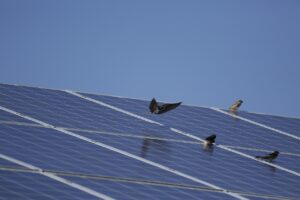
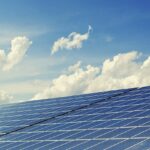
| Solar PV | Converts sunlight directly into electricity using photovoltaic cells. | Fast to deploy, modular, increasingly low cost and suitable for rooftops or utility-scale plants. | Output varies by daylight, weather and season, so storage, demand flexibility or complementary generation is often needed. |
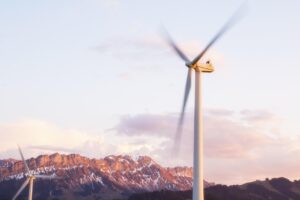
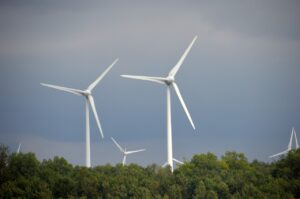
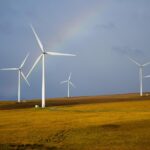
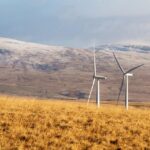
| Wind power | Uses turbines to convert wind movement into electricity onshore or offshore. | Strong resource potential, high output in windy regions and competitive cost in many markets. | Variable output, permitting concerns, transmission needs and local siting impacts can constrain deployment. |
| Hydropower | Uses flowing or stored water to spin turbines. | Can provide flexible generation, grid stability and storage when reservoirs or pumped storage are available. | Site-specific, exposed to drought risk and can have significant river, land and ecosystem impacts. |
| Geothermal | Uses heat from below the Earth’s surface for electricity or direct heating. | Can provide steady, around-the-clock output with a small land footprint. | Best resources are geographically concentrated, and exploration or drilling risk can raise project cost. |
| Sustainable bioenergy | Uses organic materials, waste gases or biofuels to make power, heat or transport fuels. | Can be dispatchable and can use residues or wastes that might otherwise emit methane. | Climate value depends on feedstock sourcing, combustion emissions, land use and supply-chain accounting. |
| Nuclear power | Uses nuclear fission to produce heat, steam and electricity. | Low operational carbon emissions and firm output that can complement variable renewables. | High capital cost, long development timelines, waste management, safety governance and public acceptance issues. |
No source is impact-free. Solar and wind need materials, land and grid connections. Hydropower changes waterways. Bioenergy must be carefully sourced and accounted for. Nuclear power requires robust safety and waste systems. Strong clean energy strategies match resources to local conditions and then design the grid around the combined portfolio.
What recent data says about scale and momentum
The power sector is where clean energy sources are scaling most visibly. IEA data for 2025 show renewables at 34% of global electricity generation, with wind and solar PV together reaching 17%. The same IEA review still identified coal and natural gas as the two largest individual sources of global electricity, at 34% and 21% respectively. Clean growth is significant, but it has not yet displaced fossil power everywhere. (iea.org)
Ember’s Global Electricity Review 2026 reached a similar directional conclusion using its own dataset. It reported that renewables supplied 33.8% of global electricity in 2025 and overtook coal’s 33.0% share for the first time in the modern power system. Ember also reported that low-carbon power generation increased by 887 TWh in 2025, outpacing global electricity demand growth of 849 TWh. (ember-energy.org)
Solar is the fastest-moving part of that shift. Ember reported that global solar generation rose by 636 TWh in 2025, a 30% increase from 2024, and supplied about three-quarters of the net increase in global electricity demand that year. (ember-energy.org) This does not mean solar can solve every grid challenge by itself. It does mean solar has become a central source of new electricity supply, especially when paired with batteries, transmission upgrades and flexible demand.
Cost and emissions are different metrics
A clean energy source can be attractive for climate, cost, energy security or all three. The International Renewable Energy Agency reported that 91% of newly commissioned utility-scale renewable capacity in 2024 delivered power at a lower cost than the cheapest newly installed fossil fuel alternative. In its 2024 cost dataset, global weighted average costs were USD 0.034 per kWh for onshore wind, USD 0.043 per kWh for solar PV and USD 0.057 per kWh for hydropower. (irena.org)
Those figures do not mean every project is cheap. Local financing costs, permitting delays, grid connection queues, tariffs, labor markets and resource quality can change the economics. IRENA also noted that renewable projects are capital-intensive, so the cost of capital can be a decisive barrier in higher-risk markets. (irena.org)
Emissions accounting needs the same care. The National Renewable Energy Laboratory’s life-cycle review found that renewable and nuclear electricity generally have much lower life-cycle greenhouse gas emissions than fossil-fuel generation. It also emphasized that most emissions from renewable and nuclear technologies occur upstream, while fossil-fueled technologies emit most of their greenhouse gases during combustion. (docs.nlr.gov)
This distinction matters for procurement and policy. Buying low-cost clean electricity can reduce operating emissions, but a full sustainability review should also examine equipment manufacturing, land use, supply chains, recycling and local environmental effects. See also: EVs.
Reliability depends on the portfolio, not one source
Electric grids need energy, capacity, flexibility and stability. Solar and wind are variable: they can be very low-cost when available, but output changes with weather and time of day. Hydropower, geothermal, nuclear and some bioenergy plants can provide steadier or dispatchable output, although each has geographic, environmental, cost or operational constraints.
For that reason, the clean energy transition is increasingly about systems rather than isolated technologies. Batteries can shift solar output from midday to evening. Transmission can move electricity from high-resource regions to demand centers. Demand response can reduce load during tight periods. Hydropower, geothermal, nuclear, storage and flexible clean fuels can help cover longer periods when variable renewable output is low.
IRENA reported that utility-scale battery storage costs fell 93% from 2010 to 2024, reaching USD 192 per kWh, and described hybrid solar, wind and storage projects as an increasingly important way to improve renewable integration. (irena.org) The practical conclusion is straightforward: high shares of clean electricity require not only generation projects, but also grids, storage, market rules and operational planning.
How to evaluate clean energy sources for a project or policy
For a company, city, utility or investor, the best clean energy source depends on the problem being solved. A rooftop solar system may reduce daytime grid purchases. An offshore wind project may serve coastal load centers. A geothermal project may provide firm clean capacity where the resource exists. Nuclear power may support deep decarbonization in regions willing to manage long timelines and strict regulatory requirements.
- Resource quality: Check the local solar irradiance, wind speed, water availability, geothermal gradient or biomass supply before comparing technologies.
- Load match: Compare hourly and seasonal generation with actual demand, not just annual energy totals.
- System value: Consider capacity, flexibility, voltage support, resilience and avoided fuel exposure, not only the plant-level cost of energy.
- Environmental safeguards: Review land, water, biodiversity, air quality and end-of-life material handling.
- Permitting and interconnection: A technically strong project can still fail if it cannot obtain permits or connect to the grid on time.
- Financing conditions: High interest rates or country risk can change the ranking of technologies with high upfront costs.
- Credible accounting: For claims about renewable or clean electricity use, match the procurement method to recognized reporting rules and avoid vague claims.
For ongoing analysis of policy, technology and market developments, the site’s clean energy section provides related coverage.
Frequently asked questions
Are all renewable energy sources clean?
Not automatically. Solar, wind, geothermal and many hydropower projects are generally low-carbon, but environmental impact depends on siting, materials, land use and operation. Bioenergy is especially context-dependent because its climate value depends on feedstock, combustion emissions and whether biomass is regrown or diverted from waste streams.
Is nuclear power a clean energy source?
Nuclear power is usually considered a low-carbon or clean electricity source because it produces electricity without direct carbon dioxide emissions during operation. It is not renewable, and it carries separate issues including capital cost, construction time, radioactive waste management, safety regulation and public acceptance.
Which clean energy source is cheapest?
There is no universal winner, but recent global cost data show onshore wind and solar PV among the lowest-cost sources of new electricity in many markets. IRENA’s 2024 dataset placed global weighted average costs for new onshore wind and solar PV below new fossil alternatives on average, while also warning that financing and grid integration can change local economics. (irena.org)
Can solar and wind power a grid without fossil fuels?
Solar and wind can supply a large share of electricity, but high-reliability clean grids need supporting resources. These can include batteries, long-duration storage, expanded transmission, hydropower, geothermal, nuclear power, demand response and clean fuels for hard-to-cover periods. The exact mix depends on weather patterns, demand shape, geography and market design.
Is hydrogen a clean energy source?
Hydrogen is better described as an energy carrier, not a primary energy source. It can be low-carbon if produced with clean electricity or other low-emissions processes, but it can also be emissions-intensive if made from fossil fuels without effective carbon management. Its best uses are likely in sectors that are difficult to electrify directly.