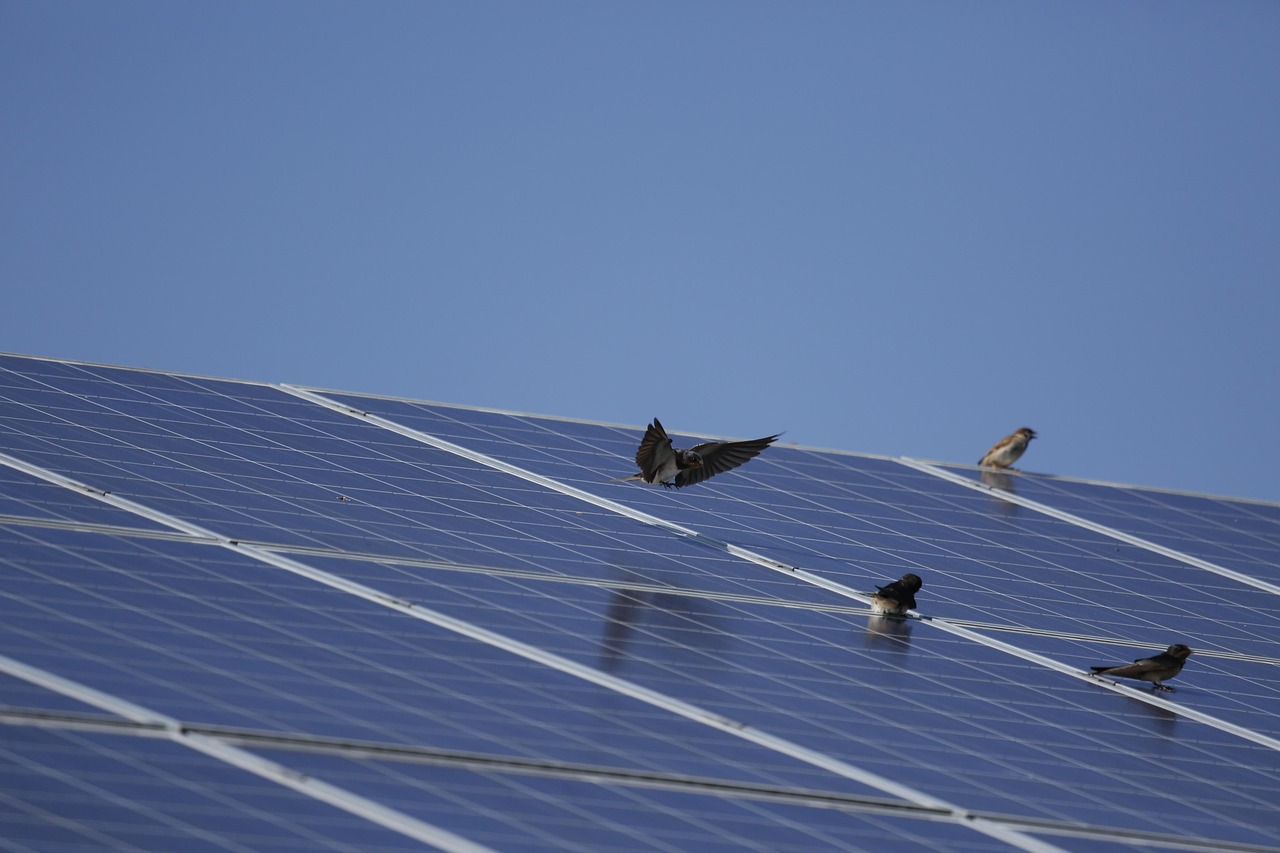

A solar array is a connected group of photovoltaic modules designed to collect sunlight and produce direct-current electricity. It is not the whole solar power system. The array works with inverters, racking, wiring, safety equipment, meters, batteries or the grid to deliver usable power. For homeowners, businesses and project developers, the key question is not only how many panels can fit on a roof or site. It is whether the array is sized, oriented, wired and integrated correctly for the load, local sunlight, shading, code requirements and long-term operating conditions.
What a solar array includes
In everyday conversation, people often use “solar panels,” “solar array” and “solar system” as if they mean the same thing. In technical design, they are related but not identical.

| Term | What it means | Why it matters |
|---|---|---|
| Solar cell | The semiconductor device that converts light into electricity. | Cells are the basic energy-converting unit inside a module. |
| Solar module or panel | A framed assembly of many solar cells. | Modules are the visible panels installed on roofs, land or canopies. |
| Solar array | Multiple modules connected and mounted together. | The array determines much of the system’s DC capacity, layout and sunlight exposure. |
| Solar PV system | The complete power system, including the array, inverter, wiring, protection, monitoring and sometimes storage. | The full system determines how electricity is converted, managed and used. |
The U.S. Department of Energy describes photovoltaic materials and devices as technologies that convert sunlight into electrical energy, while also noting that modules and arrays are only part of a complete PV system. That distinction matters because a high-quality array can still underperform if the inverter, wiring, roof layout, shading analysis or interconnection design is weak.
How a solar array produces usable electricity
A solar array starts with photovoltaic conversion. When sunlight strikes the cells inside a module, the PV material generates direct-current electricity. The modules are then connected electrically so the array can deliver the voltage and current required by the design.
Most grid-connected buildings use alternating-current power, so the DC output from the array must pass through an inverter. The Department of Energy identifies the inverter as one of the most important pieces of equipment in a solar energy system because it converts DC electricity into AC electricity and can also support grid functions, depending on the equipment and local requirements.
Strings, inverters and power electronics
In many systems, modules are wired in series to form strings. Several strings may feed a string inverter, or modules may use module-level electronics such as microinverters or power optimizers. The right choice depends on shade, roof geometry, code requirements, monitoring needs and cost.
A simple, unshaded roof with one or two clean planes may work well with a string inverter. A roof with multiple orientations, dormers, chimneys or partial shade may benefit from module-level electronics because each module can be monitored or optimized more independently. This does not make one architecture universally better; the array layout and electronics should fit the site.
Grid-tied, hybrid and off-grid operation
A grid-tied array sends solar electricity to building loads first and may export excess power where utility rules allow. A hybrid system adds batteries, so some energy can be stored for later use. An off-grid system must be designed more conservatively because it cannot rely on the utility grid when sunlight is low or demand is high.
Battery storage changes the purpose of the array. Without batteries, array design often focuses on annual energy production and bill offset. With batteries, timing becomes more important: the system may be designed to charge storage during high-sun hours, support backup loads or reduce demand during expensive grid periods.
Main types of solar arrays
Solar arrays can be installed in several forms. The right type depends on available space, structural conditions, energy goals, permitting and maintenance access.
- Rooftop arrays: Common for homes and commercial buildings. They use existing roof space but must account for roof age, load limits, fire access paths, setbacks, drainage and future roof replacement.
- Ground-mounted arrays: Often easier to orient and maintain than rooftop systems. They require land, foundations and sometimes fencing, grading or stormwater review.
- Carport and canopy arrays: Installed above parking areas, walkways or loading zones. They can provide shade while generating power, but steel structures and foundations usually raise project complexity.
- Tracking arrays: Common in utility-scale projects. Trackers follow the sun to increase energy yield, but they add moving parts, land-use considerations and maintenance requirements.
- Community and utility-scale arrays: Built primarily for grid supply or shared subscription models. These projects involve interconnection studies, land agreements and larger-scale operations planning.
For more explainers and updates on solar power topics, visit the solar section.
How solar array size and output are estimated
Solar array capacity is usually described in kilowatts DC, while the energy it produces over time is measured in kilowatt-hours. A 10 kW DC array does not produce 10 kW every hour. Output rises and falls with sun angle, weather, temperature, shade and equipment limits.
A practical way to think about annual production is:
Estimated annual energy = array size in kW DC × local annual yield in kWh per kW
The annual yield is location-specific. A sunny site with limited shade will produce more energy from the same array size than a cloudy or shaded site. The National Renewable Energy Laboratory’s PVWatts tool is widely used to estimate production for grid-connected PV systems based on system size, location, array type, tilt, azimuth and system losses. It is useful for early screening, but detailed projects still need site-specific shade, structural, electrical and utility review.
| Design factor | Effect on array performance |
|---|---|
| Orientation | South-facing arrays are often preferred in the Northern Hemisphere for annual production, but east-west layouts can be useful when morning and afternoon output are more valuable. |
| Tilt | Tilt affects seasonal production, drainage, wind loading and row spacing for ground-mounted systems. |
| Shade | Trees, parapets, vents and neighboring structures can reduce output and may influence inverter choice. |
| Temperature | Modules generally produce less power as cell temperature rises, so ventilation and mounting conditions matter. |
| DC-to-AC ratio | Designers may install more DC module capacity than inverter AC capacity to improve energy harvest in lower-light hours, while accepting some clipping during peak sun. |
| System losses | Soiling, wiring losses, inverter losses, mismatch and downtime all reduce delivered energy. |
Why solar arrays are becoming a larger part of the power mix
Solar arrays have moved from a niche technology to a major source of new power capacity. The International Energy Agency reported that solar PV supplied about 7% of global electricity generation in 2024, while renewables collectively supplied roughly one-third. The U.S. Energy Information Administration reported that U.S. developers added a record amount of utility-scale solar capacity in 2024, with solar representing the majority of new utility-scale capacity additions that year.
These figures do not mean every site is suitable for solar, and they do not reduce the need for careful engineering. They do show why array design has become a mainstream energy-planning issue. As more solar enters the grid, value increasingly depends on when electricity is produced, how well systems are forecast, whether batteries are included and how local utilities manage interconnection. See also: clean energy.
For a building owner, the market trend has a practical implication: solar proposals should not be evaluated only by panel count or headline system size. A smaller, well-sited array with better shade control and realistic production modeling may outperform a larger array placed on compromised roof planes.
Design choices that affect reliability
A solar array is expected to operate outdoors for decades, so reliability depends on more than module efficiency. Wind, snow, thermal expansion, corrosion, moisture, wildlife, roof condition and maintenance access all influence the final design.
Racking and structural review
Racking holds the array in place and transfers loads to the roof or ground foundation. Rooftop projects should consider roof age before installation because removing and reinstalling modules for a roof replacement can add cost and downtime. Ground-mounted systems need suitable foundations, row spacing and access paths for inspection and vegetation control.
Electrical protection and code compliance
Solar arrays involve DC circuits that must be designed with appropriate conductors, disconnects, overcurrent protection, labeling and grounding or bonding. In the United States, PV system requirements are addressed in the National Electrical Code, including provisions for rapid shutdown on many building-mounted systems. Local adoption and interpretation can vary, so qualified electrical review is essential.
Monitoring and maintenance
Monitoring helps identify underperformance, inverter faults, communication outages and unusual production drops. Maintenance needs are usually modest, but they are not zero. Soiling, vegetation, snow, loose wiring, damaged modules or inverter issues can reduce energy output. Commercial and utility-scale arrays typically require more formal operations and maintenance plans than small residential systems.
How to compare solar array proposals
Comparing proposals is easier when the focus shifts from “How many panels do I get?” to “How much useful energy will this array deliver, under what assumptions and at what risk?” A proposal should make those assumptions visible.
- Check the capacity units. Confirm whether the proposal lists DC capacity, AC inverter capacity or both.
- Review the production estimate. Look for annual kWh, monthly output and the modeling assumptions behind them.
- Ask about shade. A credible proposal should explain shade sources and how they were modeled or avoided.
- Understand the inverter design. The inverter architecture should match the array layout, roof complexity and monitoring goals.
- Confirm structural limits. Roof condition, load capacity and attachment method should be addressed before installation.
- Clarify utility rules. Interconnection approval, export compensation and meter configuration can materially affect project economics.
- Plan for maintenance access. Arrays should be serviceable without creating avoidable safety or roof-damage risks.
Price matters, but the lowest price is not automatically the best value. Differences in layout, inverter selection, monitoring, workmanship, permitting scope and production assumptions can change long-term results. A transparent proposal should explain trade-offs rather than hiding them behind a single payback number.
Frequently asked questions
Is a solar array the same as a solar panel?
No. A solar panel, also called a module, is one physical unit. A solar array is a group of modules connected and mounted together. The array is part of a broader PV system that also includes power electronics, wiring, protection equipment and sometimes batteries.
How many panels are needed for a solar array?
The number depends on energy use, available space, module wattage, local sunlight, shade, inverter design and utility rules. A useful estimate starts with annual electricity consumption and site conditions, then converts the target energy production into a DC array size and module count.
Does every solar array need a battery?
No. Many grid-tied arrays operate without batteries. Batteries may be added for backup power, time-of-use management or greater self-consumption, but they add cost, space requirements and design complexity. Whether storage is worthwhile depends on local rates, outage concerns and project goals.
Can a solar array be expanded later?
Sometimes, but expansion is easier when it is planned from the beginning. Roof space, inverter capacity, electrical panel limits, utility interconnection rules and code requirements can restrict future additions. If expansion is likely, the initial design should leave clear electrical and physical pathways.
What is the most important factor in solar array performance?
There is no single factor. Sunlight exposure, shade, orientation, tilt, module quality, inverter design, system losses and maintenance all matter. In practice, shade and poor layout decisions are among the most common reasons an otherwise good array fails to meet expectations.
The bottom line
A solar array is the sunlight-collecting engine of a PV system, but its value depends on how well it is matched to the site and the rest of the electrical design. Good array planning starts with energy goals and site conditions, then moves into module layout, inverter selection, safety requirements, production modeling and long-term maintenance. When those pieces work together, a solar array can provide predictable clean electricity and a stronger foundation for broader energy planning.