
What counts as a mini electric car?
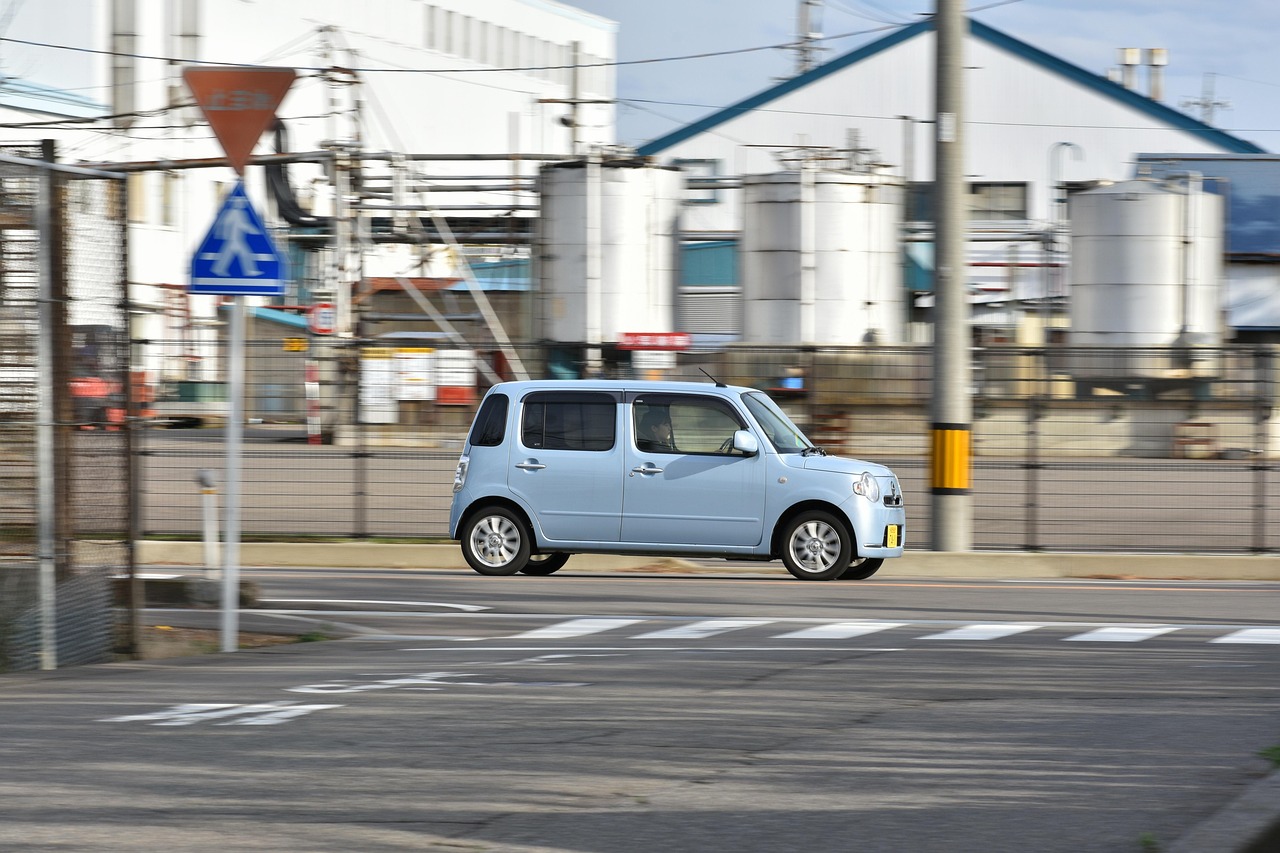
Mini electric cars are small battery-powered vehicles built mainly for short urban trips, easier parking and lower operating costs. The term is broad. It can refer to fully road-legal compact EVs, European-style electric quadricycles, U.S. low-speed vehicles and neighborhood EVs used on restricted roads. That distinction matters more than the marketing name. A small highway-capable EV can replace many daily car trips, while a low-speed vehicle may be limited to local streets and may not meet the same crash protection standards as a passenger car. For readers following the wider market, Econergy’s EVs section tracks related electric mobility developments.
The practical question is not whether mini electric cars are real cars. Some are, and some are regulated as lighter vehicle classes. The more useful question is where they fit: dense neighborhoods, campuses, resorts, delivery zones, car-sharing fleets and households that already have another vehicle for long trips. Their appeal is strongest when parking is scarce, trips are short and buyers value efficiency and maneuverability more than high-speed range.
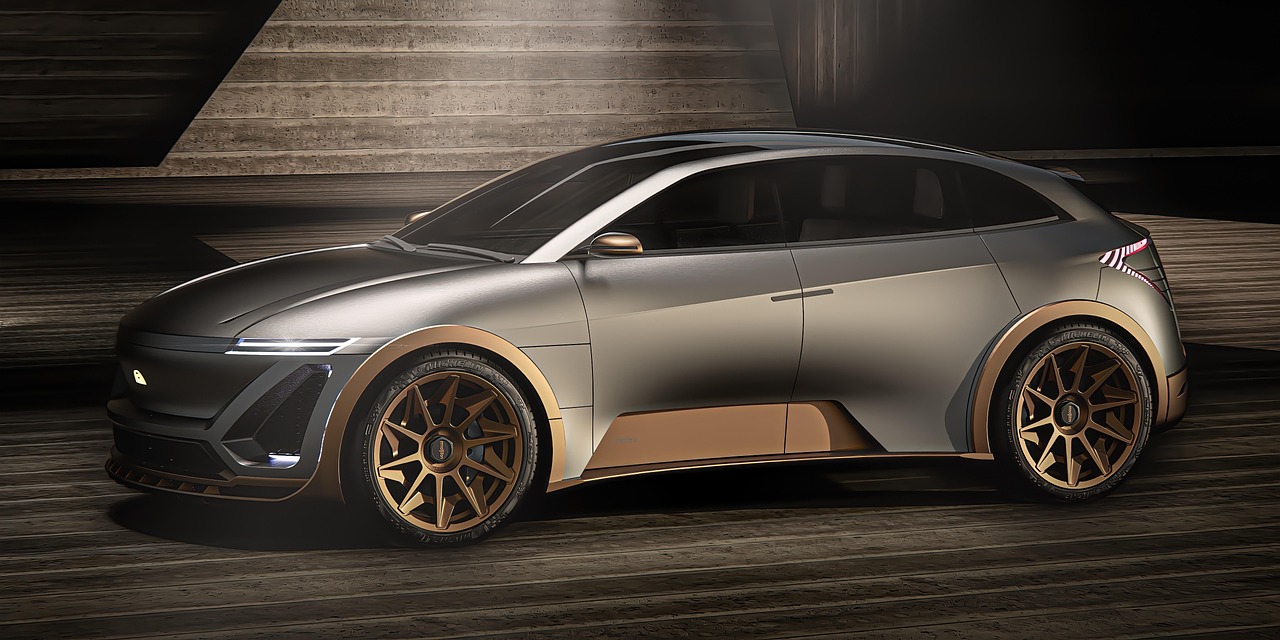
Why mini electric cars are getting more attention
The global EV market is expanding, but not only toward smaller cars. The International Energy Agency’s Global EV Outlook 2026 reported that electric car sales exceeded 20 million in 2025, equal to roughly one in four new cars sold worldwide. The same report noted that large cars and SUVs accounted for almost 70% of the global EV market in 2025. That leaves a clear gap between what many urban trips require and what much of the EV market currently offers.
Mini electric cars fit into that gap. A large battery SUV can make sense for families, highway travel and towing, but it is often more vehicle than a short city commute needs. Smaller EVs can use less material, take less road and curb space, and require less energy per mile. Because their batteries are usually smaller, they may also be easier to charge with lower-power equipment.
Affordability is another reason the category matters. The IEA has emphasized that lower-cost EV models have helped adoption in several markets. In China, the agency reported that battery electric cars in the small-car segment have largely displaced comparable conventional cars, while Europe has seen growing availability of more affordable models. The U.S. market remains more weighted toward larger vehicles, so the mini EV category is still more fragmented there.
Mini electric cars are not all the same
One common source of confusion is that mini electric car is a consumer phrase, not a single regulatory category. A buyer comparing vehicles should first identify how the vehicle is classified, where it can legally operate and what safety standards apply.
| Vehicle type | Common use | Key limitation to check |
|---|---|---|
| Compact highway-capable EV | Daily commuting, city driving, occasional highway use | Range, fast-charging capability, crash-test record and local availability |
| Electric microcar or quadricycle | Short urban trips in markets that recognize light vehicle classes | Speed cap, seating, licensing rules and road access |
| Low-speed vehicle or neighborhood EV | Campuses, gated communities, resorts, local errands | Generally limited to low-speed roads under state or local rules |
| Electric golf-cart-style vehicle | Private property, leisure areas and limited community travel | May not be street legal without required equipment and registration |
In the United States, the National Highway Traffic Safety Administration defines a low-speed vehicle as a four-wheeled motor vehicle with a speed capability of more than 20 mph and not more than 25 mph, and a gross vehicle weight rating below 3,000 pounds. Federal Motor Vehicle Safety Standard No. 500 requires equipment such as headlamps, turn signals, taillamps, stop lamps, reflectors, mirrors, a parking brake, a windshield, a VIN and seat belts. State and local law still determines where these vehicles may operate, how they are titled and whether insurance or registration is required.
In the European Union, Regulation No. 168/2013 places many microcars and quadricycles within L-category vehicle rules rather than treating every small enclosed EV as a conventional passenger car. A light quadricycle in the L6e category is limited to a maximum design speed of 45 km/h and a mass in running order of up to 425 kg, with a maximum of two seating positions. Heavier L7e quadricycles have different limits and may support more robust designs, but they still do not automatically match passenger-car requirements.
Where mini electric cars work best
Mini electric cars work best when their size and speed match the trip pattern. Typical use cases include short commutes, school drop-offs on local roads, grocery runs, neighborhood medical visits, last-mile delivery, campus security, municipal parks, tourist districts and shared mobility schemes. The strongest applications have predictable routes, moderate speeds and easy access to charging.
Daily distance is a useful starting point. The IEA’s 2026 outlook noted that average daily driving in many markets is around 40 km, while the U.S. average is around 65 km. Those figures help explain why many drivers do not need a very large battery for everyday mobility. A mini EV with modest range can still cover routine trips if charging is reliable and the vehicle is not expected to handle long highway journeys.
Charging behavior also changes with smaller vehicles. A compact EV used for 20 to 40 miles per day may not need frequent DC fast charging. Level 1 or Level 2 charging can be enough for many owners, especially if the vehicle returns to the same parking spot each night. Fleet operators may value this predictability because it simplifies scheduling, charging and maintenance planning.
Parking is another core advantage. Small EVs can reduce pressure on crowded curb space and fit into garages or lots that are awkward for larger vehicles. In dense cities, the space saving can be as valuable as the energy saving. For delivery operators, smaller dimensions can also help with alley access, loading zones and stop-and-go efficiency.
Safety and legal limits should come before price
The biggest mistake in evaluating mini electric cars is comparing price before checking vehicle classification. A low purchase price may reflect a lighter regulatory category, a lower top speed, fewer occupant-protection requirements or restrictions on public-road use. That does not make the vehicle unsuitable, but it does define its proper operating environment.
Safety agencies have long warned against mixing low-speed vehicles with faster traffic. The Insurance Institute for Highway Safety reported in 2010 that crash tests showed why low-speed vehicles and minitrucks should not share busy roads with regular traffic. Its core point remains relevant: vehicles designed for neighborhood speeds are not intended to provide the same crash protection as conventional cars and pickups.
Buyers should verify several items before purchase:
- Legal class: Confirm whether the vehicle is a passenger car, quadricycle, low-speed vehicle, golf cart or off-road product.
- Road access: Check the roads, speed limits and zones where the vehicle can legally operate.
- Required equipment: Look for lighting, mirrors, windshield, seat belts, VIN, braking equipment and warning sounds where required.
- Registration and insurance: Do not assume a small EV can be driven without title, plates or insurance.
- Crash protection: Check whether the model has published crash-test results or manufacturer safety documentation.
- Battery compliance: Ask about battery chemistry, thermal management, warranty terms and service support.
For families, the safety question should be direct: will the vehicle regularly mix with SUVs, pickups and delivery trucks? If the answer is yes, a highway-capable passenger EV with full safety certification may be the more appropriate choice. If the vehicle stays inside a resort, campus or low-speed neighborhood network, a lighter model may be practical.
What to compare before choosing a mini electric car
A good comparison starts with use case rather than brand. Many mini EVs look similar in photos, but their specifications can lead to very different ownership experiences. See also: clean energy.
Range and battery size
More range is not always better. Larger batteries increase cost and weight, while smaller batteries can be cheaper and quicker to replenish. The key is to compare usable daily range in real weather, not only ideal test-cycle figures. Cold weather, hills, passengers, cargo and cabin heating can reduce range.
Charging access
Check the plug type, charging power and whether the vehicle can use public charging networks. Some small EVs are designed mainly for home or depot charging and may not support rapid charging. That is acceptable for predictable local use but limiting for spontaneous trips.
Speed and road compatibility
A 25 mph low-speed vehicle and a 70 mph compact EV solve different problems. Before buying, map the actual roads you will use. If the route includes arterial roads, highway ramps or fast suburban traffic, a low-speed category vehicle may be unsuitable even if local rules technically allow limited use.
Cabin, cargo and weather protection
Many mini electric cars trade size for simplicity. Check seating position, visibility, cargo volume, door seals, heating, ventilation and windshield defrosting. A vehicle that works in a mild resort town may not be comfortable in a cold or rainy commuter environment.
Service and parts support
Small EV startups and imported microcars can be appealing, but maintenance access matters. Buyers should confirm warranty coverage, parts availability, diagnostic support and the presence of trained service providers. A low-cost vehicle becomes expensive if a simple repair takes months.
Market outlook for mini electric cars
The outlook is positive but uneven. Mini electric cars are likely to grow where policy, road design and consumer needs support short-distance electric mobility. Europe’s quadricycle framework gives manufacturers a recognized path for lightweight urban vehicles. China’s small EV market has shown how affordability and dense urban use can drive demand. The United States has demand for neighborhood vehicles, but the mainstream EV market is still dominated by larger crossovers, SUVs and pickups.
For automakers, the challenge is profitability. Small vehicles leave less room for expensive batteries and premium features, while safety, software and compliance costs still apply. For cities, the challenge is infrastructure. Mini EVs make the most sense when paired with calmer streets, curbside charging, secure parking and rules that separate low-speed mobility from high-speed traffic.
For consumers, the category should be viewed as practical rather than futuristic. The best mini electric cars do not need to promise long-range adventure. Their value is simpler: they can make short trips cleaner, quieter, cheaper to operate and easier to park. That is a narrow role, but it is a real one.
Frequently asked questions
Are mini electric cars street legal?
Some are street legal and some are not. A highway-capable compact EV is generally treated as a passenger car. A low-speed vehicle or quadricycle may be legal only on certain roads and under specific registration, licensing and equipment rules. Always check the vehicle class and local law before purchase.
Can a mini electric car replace a normal car?
It can replace many local trips, but it may not replace a conventional car for every household. If you need highway travel, long range, high-speed crash protection, large cargo space or frequent intercity driving, a full-size passenger EV may be more suitable.
How much range does a mini electric car need?
For local errands and short commutes, practical daily range matters more than maximum advertised range. Many urban drivers cover far less distance than a modern EV can travel on a full charge, but weather, terrain and charging access should be included in the calculation.
Are low-speed vehicles the same as mini electric cars?
No. Low-speed vehicles are one subset of the broader mini electric car category. In the U.S., an LSV has a specific federal definition tied to speed, weight and equipment. Other mini EVs may be full passenger cars, quadricycles, golf-cart-derived vehicles or off-road utility products.
What is the main advantage of a mini electric car?
The main advantage is efficiency in everyday urban use. A mini EV can be easier to park, cheaper to run and more space-efficient than a larger vehicle. Its main limitation is that it must be matched carefully to legal road access, safety expectations and real driving needs.