
Types of renewable energy at a glance
The main types of renewable energy are solar, wind, hydropower, biomass, geothermal and emerging marine energy. They are all replenished by natural processes, but they do not perform the same role in an energy system. Each resource works differently, scales differently and creates different requirements for grids, land, water, fuel supply and end-use demand. Solar and wind are now the fastest-growing options for new power capacity, while hydropower remains a major source of flexible renewable generation in many regions. Biomass and geothermal are smaller in installed electric capacity but can provide heat, fuels and more controllable output. Marine energy is still at an early commercial stage. For readers following clean energy trends, the useful question is not only whether a source is renewable, but where it fits best in a real energy system.
The U.S. Energy Information Administration describes renewable energy as energy from naturally replenishing but flow-limited sources. In practical terms, the sun, wind, moving water, organic material and heat from inside the earth can keep supplying energy, but useful output still depends on location, weather, infrastructure and technology.
| Type | Primary resource | Main uses | End-2025 global power capacity | Typical system role |
|---|---|---|---|---|
| Solar energy | Sunlight | Electricity, water heating, industrial heat | About 2,392 GW | Fast-growing variable power |
| Wind energy | Moving air | Electricity | About 1,291 GW | Variable bulk power |
| Renewable hydropower | Flowing or stored water | Electricity, flexibility, storage support | About 1,296 GW | Dispatchable or partly dispatchable power |
| Bioenergy | Organic material and renewable waste | Power, heat, transport fuels | About 154 GW | Fuel-based renewable energy |
| Geothermal energy | Earth heat | Power, district heat, heat pumps | About 15.7 GW | Firm low-carbon heat and power |
| Marine energy | Tides, waves and ocean gradients | Electricity | About 0.5 GW | Emerging predictable power |
The capacity figures above are drawn from IRENA’s Renewable Capacity Statistics 2026 and refer to installed power generation capacity at the end of 2025. Capacity is not the same as annual generation. A solar farm, wind farm, hydropower plant and geothermal plant with the same nameplate capacity can deliver very different amounts of electricity over a full year.
Solar energy
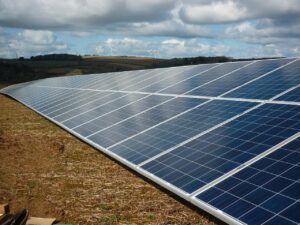
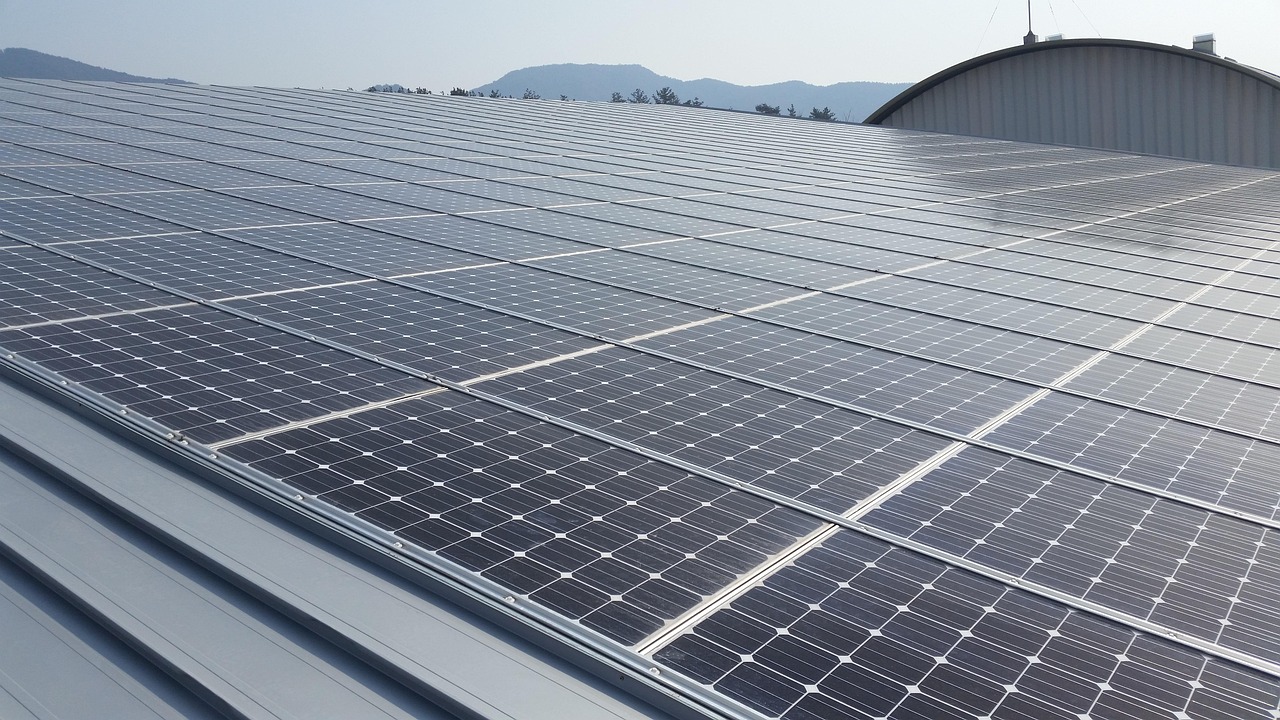
Solar energy captures sunlight and converts it into useful energy. The dominant technology is solar photovoltaic, or solar PV, which uses semiconductor cells to produce electricity. Concentrated solar power, or CSP, uses mirrors to focus sunlight and produce heat, which can then drive a turbine or be stored thermally. Solar thermal collectors are also used directly for water and space heating.
Solar has become the largest renewable technology by installed power capacity. IRENA’s 2026 data show about 2.39 TW of global solar power capacity at the end of 2025, and its foreword notes that solar alone added a record 510 GW during 2025. The International Energy Agency’s Renewables 2025 report also expects solar PV to account for almost 80% of global renewable capacity growth from 2025 to 2030.
Solar’s main advantages are modularity, deployment speed and broad geographic availability. Rooftop systems can serve homes and businesses, while utility-scale projects can be built in large blocks. The constraints are just as important: output falls at night, changes with cloud cover and may peak when local demand is not at its highest. As solar shares rise, batteries, demand response, transmission, flexible generation and better market design become more valuable.
Wind energy
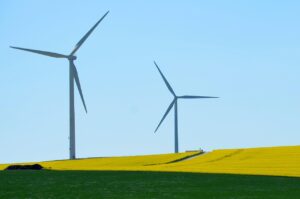
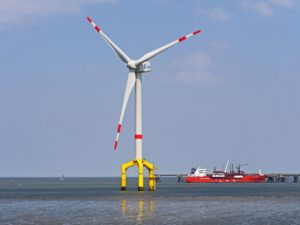
Wind energy converts the kinetic energy of moving air into electricity. Onshore wind is generally faster to build and cheaper to install than offshore wind. Offshore wind, however, can reach stronger and more consistent wind resources near coastal demand centers. Modern wind turbines are utility-scale machines, so wind is mainly an electricity source rather than a direct heating or fuel technology.
At the end of 2025, IRENA reported about 1.29 TW of global wind power capacity, making wind one of the three largest renewable power categories alongside solar and renewable hydropower. IRENA also reported 159 GW of new wind additions during 2025. Growth remains substantial, but the IEA has highlighted permitting, supply chain pressure, project costs and offshore wind delays as headwinds in some markets.
Wind and solar often complement each other because their production patterns can differ by season and time of day. In many regions, wind output is stronger at night or in colder seasons, while solar peaks during daylight. Wind is still variable, so grid value depends on more than turbine capacity. More accurate forecasting, larger balancing areas, transmission expansion and flexible demand all help turn wind resource potential into dependable system value.
Hydropower
Hydropower uses flowing water to generate electricity. The most familiar form is a dam and reservoir, where stored water can be released through turbines when power is needed. Run-of-river plants have less storage and depend more directly on river flow. Pumped storage hydropower moves water uphill when electricity is abundant and releases it later, so it functions primarily as energy storage rather than as a new renewable resource.
IRENA separates renewable hydropower from pure pumped storage in its renewable capacity totals. On that basis, renewable hydropower reached about 1.30 TW at the end of 2025. Hydropower’s value is not only its scale. In many power systems, it can also provide flexibility, inertia, reserves and seasonal balancing as wind and solar generation increase.
The constraints are highly site-specific. Good hydropower sites require suitable water flow, elevation difference, geology and social acceptance. Projects can affect river ecosystems, sediment movement, fish migration, land use and local communities. Drought can also reduce generation, while climate variability can complicate long-term water planning. Hydropower is therefore best evaluated as a system asset with environmental and water-management limits, not simply as a low-cost renewable source.
Biomass and bioenergy
Biomass energy comes from organic material such as wood residues, agricultural residues, energy crops, landfill gas, biogas, renewable municipal waste and liquid biofuels. It can be burned for heat and power, converted into biogas, processed into liquid fuels or used in combined heat and power systems. This makes bioenergy more versatile than many electricity-only renewable sources.
IRENA reported about 154 GW of global bioenergy power capacity at the end of 2025, far below solar, wind or hydropower. Power capacity, however, understates bioenergy’s broader role because biomass is also used for industrial heat, building heat and transport fuels. In some sectors that are difficult to electrify directly, sustainable biofuels can be part of the transition mix. See also: EVs.
The key word is sustainable. Bioenergy is not automatically low-impact. Its climate value depends on feedstock type, land-use change, harvesting practices, supply-chain emissions and whether biomass would otherwise decay or be wasted. Using residues and waste streams is very different from clearing land for energy crops. Good policy therefore focuses on traceable feedstocks, air-quality controls and applications where bioenergy has a clear advantage over direct electrification.
Geothermal and marine energy
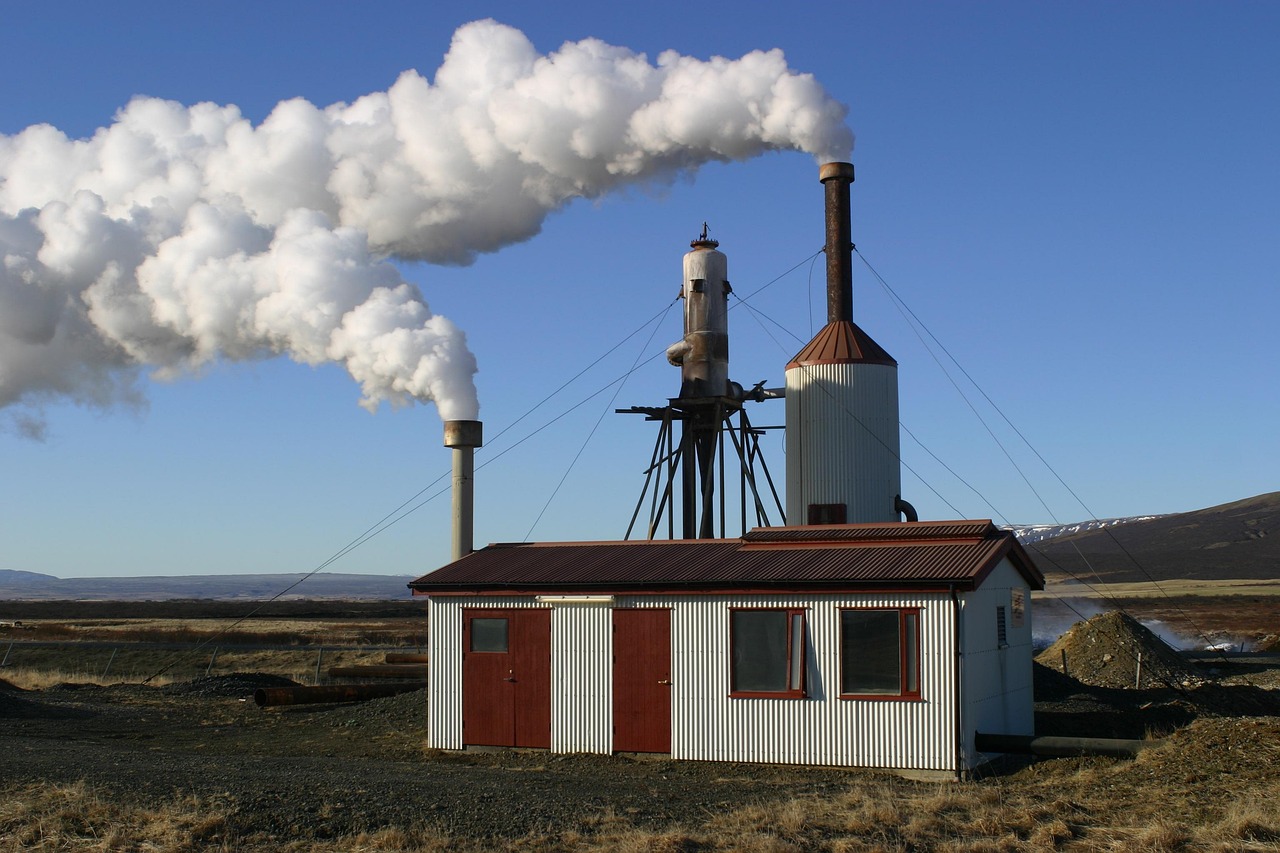
Geothermal energy uses heat from inside the earth. In high-resource areas, steam or hot water can drive turbines for electricity. In many more locations, geothermal heat pumps can move heat between buildings and the ground for efficient heating and cooling. District heating systems can also use geothermal resources where underground temperatures and drilling conditions are suitable.
Geothermal power capacity remains modest, at about 15.7 GW globally at the end of 2025 according to IRENA. Its importance can be larger than the capacity figure suggests because geothermal plants can provide firm, low-emissions output with high availability when resources are well developed. The main barriers are exploration risk, drilling cost, site specificity and the need for careful reservoir management.
Marine energy includes tidal stream, tidal range, wave energy and ocean thermal approaches. Its appeal is predictability, especially for tides. Its challenge is commercial maturity. IRENA’s 2026 data show only about 0.5 GW of global marine power capacity at the end of 2025, so it remains an emerging category rather than a mainstream renewable source. Harsh marine environments, grid connection, maintenance and cost reduction are the central issues to solve.
How to compare renewable energy sources
The most useful comparison is not a simple ranking. A better approach is to ask what problem the energy source is solving. Solar may be the best fit for fast capacity additions and daytime power. Wind may provide large-scale electricity with strong seasonal output. Hydropower may add dispatchability and storage value. Geothermal may supply steady heat and power. Bioenergy may serve high-temperature heat, fuels and backup generation when sustainable feedstocks are available.
- Resource quality: Local sunlight, wind speed, water flow, geothermal temperature and biomass availability determine project economics.
- Dispatchability: Hydropower with storage, geothermal and some biomass plants can be more controllable than wind and solar.
- Land and water impacts: Solar and wind need land or sea space; hydropower changes waterways; biomass can affect land use; geothermal requires careful subsurface management.
- Grid integration: High shares of variable renewables require transmission, storage, flexible demand and improved forecasting.
- End use: Electricity, heat and transport fuels are different markets, so the right renewable option depends on the final demand.
IEA’s Global Energy Review 2026 reported that renewables supplied 34% of global electricity generation in 2025, up from 32% in 2024, while wind and solar together reached 17%. That shift explains why the discussion has moved beyond whether renewables can grow. The more practical question is how to combine different renewable sources with grids, storage, electrified demand and firm clean resources so that power systems remain reliable as fossil generation declines.
Frequently asked questions
What are the five main types of renewable energy?
The five commonly listed types are solar, wind, hydropower, biomass and geothermal energy. Many modern classifications also include marine energy, although it is much smaller and less commercially mature than the other five.
Which renewable energy source is growing fastest?
Solar PV is currently the fastest-growing renewable power technology by capacity additions. IRENA reported a record 510 GW of solar additions in 2025, and the IEA expects solar PV to dominate renewable capacity growth through 2030.
Is hydropower still important if solar has more capacity?
Yes. Solar has become larger by installed capacity, but hydropower remains important because many plants can provide flexible generation, storage support and grid services. In electricity systems with more solar and wind, that flexibility can be highly valuable.
Is biomass always renewable and clean?
Biomass is renewable when feedstocks are replenished, but it is not automatically clean in every use. Its climate and environmental performance depends on feedstock sourcing, land-use effects, combustion emissions, transport and whether the material would otherwise be waste.
Why do renewable energy sources need storage?
Not all renewables need storage in the same way. Solar and wind vary with weather and time, so storage and flexible demand help match output with demand. Hydropower reservoirs, geothermal plants and some bioenergy facilities can provide more controllable supply, reducing but not eliminating the need for broader system flexibility.