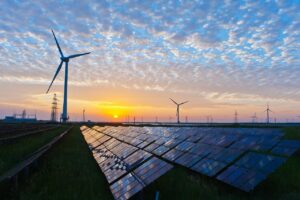

Metals for clean energy form the material base for batteries, power grids, wind turbines, solar panels, electric vehicles, electrolysers and efficient power electronics. Copper sits at the center of electrification. Lithium, nickel, cobalt, manganese and graphite shape battery supply chains. Rare earth elements support high-performance magnets, while aluminium, silicon, silver, electrical steel and platinum-group metals play important supporting roles.
The main question is not whether these metals exist underground. It is whether mining, refining, processing, transport and recycling can expand quickly enough, responsibly enough and with less geographic concentration. According to the International Energy Agency’s 2026 Global Critical Minerals Outlook, energy technologies remain the dominant driver of future demand for many critical minerals through 2040.
This article is part of our clean energy coverage, focusing on the materials that connect energy transition goals with real-world industrial capacity.
What counts as metals for clean energy
The phrase “metals for clean energy” includes both familiar industrial metals and more specialized critical minerals. Copper and aluminium, for example, already have large global markets and mature trading systems. Lithium, graphite, cobalt, gallium, germanium, tellurium and magnet rare earths are smaller markets, but they can become strategically important when demand rises quickly or when processing capacity is concentrated in a few countries.
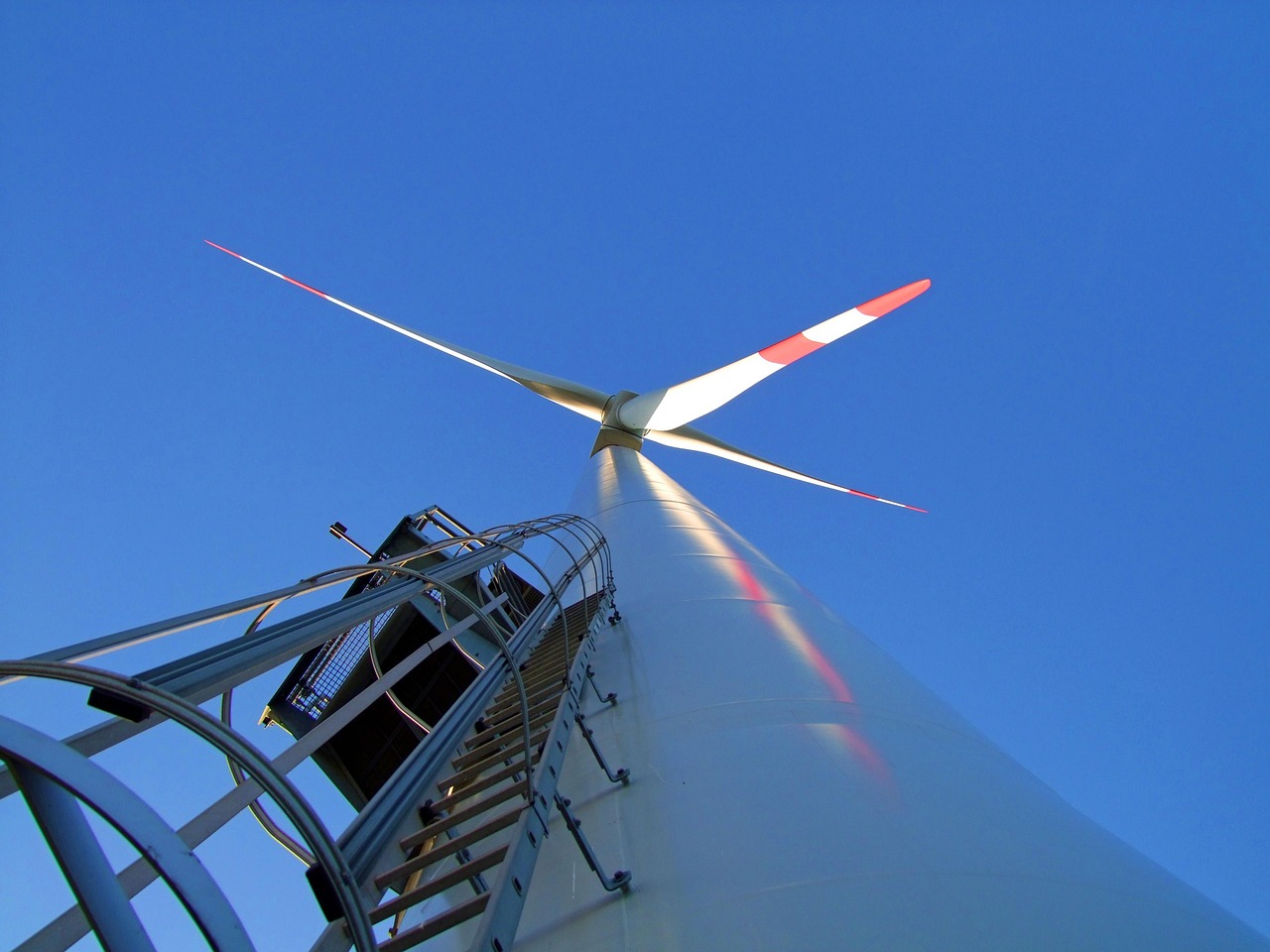
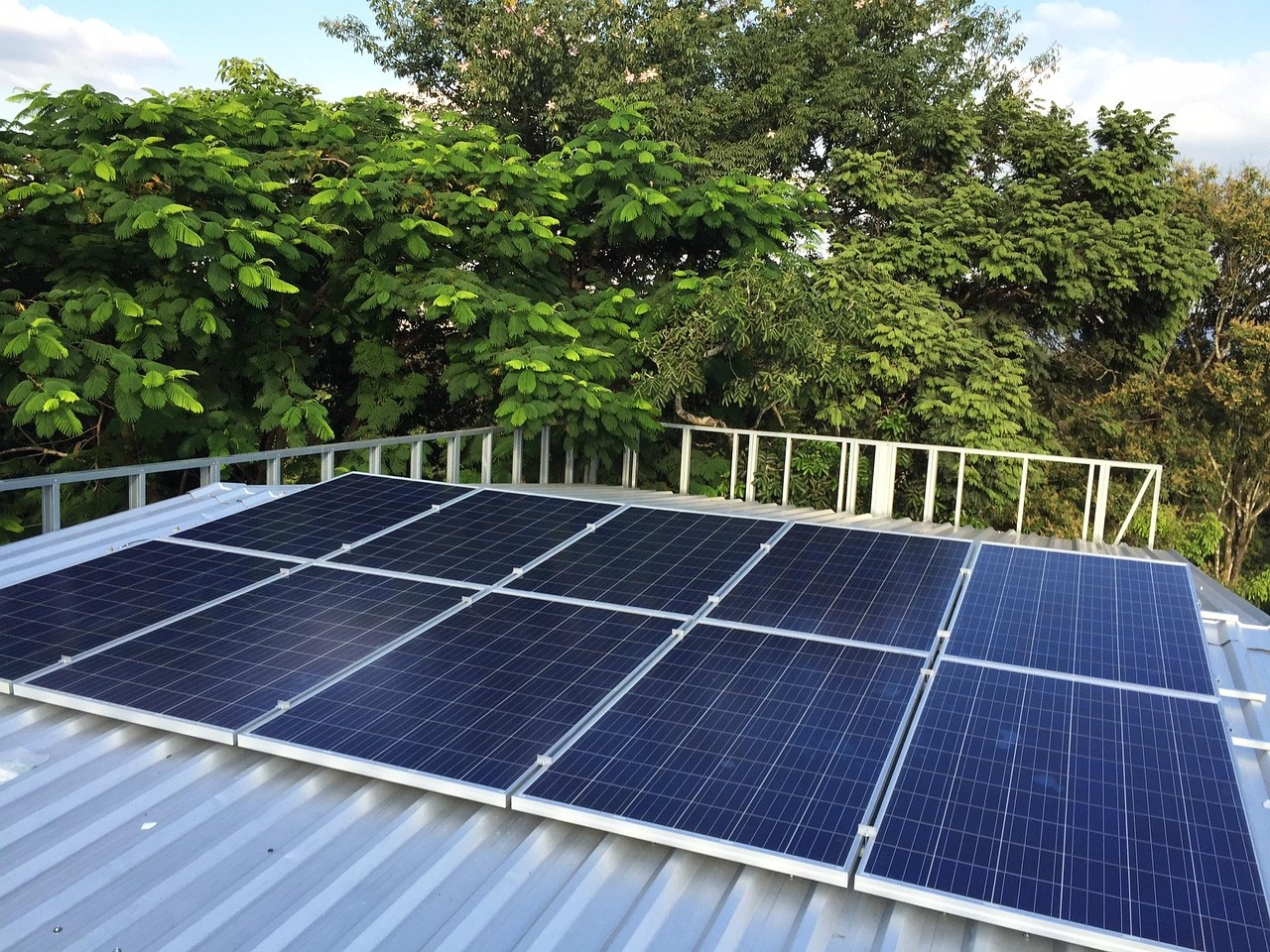
Clean energy equipment is material-intensive because it must convert, store, move and control electricity. Solar modules require silicon, aluminium, copper and often silver. Wind turbines use steel, copper, aluminium and, in many high-performance designs, rare earth permanent magnets. Electric vehicles and stationary storage systems depend on battery materials. Transmission lines, transformers, inverters, heat pumps and charging infrastructure add further demand for conductive, magnetic and power-electronic materials.
Definitions of “critical” materials vary by institution. The U.S. Department of Energy’s July 31, 2023 Critical Materials Assessment listed energy-specific critical or near-critical materials through 2035, including aluminium, cobalt, copper, dysprosium, electrical steel, gallium, lithium, natural graphite, neodymium, nickel, platinum, praseodymium, silicon and silicon carbide. IRENA’s 2024 ranking of materials for the renewable energy transition placed lithium, cobalt, gallium, rare earth elements and several magnet-related elements among the most critical in its global methodology. These lists are useful, but they are not fixed. Technology choices, policy changes, substitution and recycling can all change which materials appear most exposed.
Where key clean energy metals are used
No single metal powers the energy transition on its own. The clean energy system is a network of technologies, and each one has a different materials profile. The table below summarizes the main uses and why each group matters.
| Metal or material group | Main clean energy uses | Why it matters |
|---|---|---|
| Copper | Power grids, transformers, motors, EVs, charging, wind and solar connections | High electrical conductivity makes it central to electrification and grid expansion |
| Lithium | Lithium-ion batteries for EVs and energy storage | A core input for dominant rechargeable battery chemistries |
| Nickel, cobalt and manganese | Battery cathodes, especially nickel-rich chemistries | Influence battery energy density, cost, performance and supply exposure |
| Graphite | Battery anodes | Used in large quantities in lithium-ion battery cells, whether natural or synthetic |
| Rare earth elements | Permanent magnets in wind turbines, EV motors and industrial motors | Enable compact, efficient motors and generators in many high-performance applications |
| Aluminium and steel | Frames, structures, transmission, vehicles, turbines and mounting systems | Bulk materials that determine cost, weight and durability across infrastructure |
| Silicon and silver | Solar photovoltaic cells and modules | Important for PV conversion, contacts and module performance |
| Platinum-group metals and iridium | Fuel cells and some electrolyser technologies | Small-volume but high-value materials for hydrogen-related technologies |
This breakdown also shows why material risk cannot be measured by tonnage alone. Copper may account for the largest volume growth, while iridium or dysprosium can be critical because their markets are small, technically specialized or difficult to substitute in certain applications.
Why demand is rising faster than conventional metals
Demand is being pulled by deployment. More solar and wind capacity means more grid connections, inverters, cables and structural materials. More electric vehicles mean more battery cells, motors and charging infrastructure. More stationary storage creates additional demand for battery materials even when vehicle markets fluctuate. Electrified buildings and industry require more copper, aluminium, transformers, motors and power electronics.
The IEA’s 2026 outlook reported that demand for key energy minerals such as copper, battery materials and rare earths continued to grow strongly in 2025. It said global battery demand grew by more than 35% in 2025, surpassing 1.5 terawatt-hours, with battery storage emerging as a major growth driver. The same report said demand for key energy minerals had been growing at close to 10% per year on average in recent years, much faster than the roughly 1% annual demand growth for base metals as a broader category.
Looking ahead, the IEA’s scenario analysis projects that demand for critical minerals almost doubles by 2040 in its Stated Policies Scenario. Lithium shows the strongest growth, rising more than threefold to 2040, while nickel, graphite and rare earths also grow strongly. Copper records the largest absolute volume growth, with the IEA estimating about 7 million tonnes of additional demand to 2040 because of its central role in electricity networks and next-generation technologies.
These are scenario-based projections, not guaranteed outcomes. Battery chemistry, vehicle adoption, grid investment, industrial policy and recycling rates can all shift the curve. For example, the faster rise of lithium iron phosphate batteries has moderated some cobalt expectations compared with earlier views. Lower cobalt intensity, however, does not remove the need for other materials. It often shifts pressure toward lithium, graphite, phosphate, manganese, copper, aluminium or power-electronic materials.
The supply chain risk is often in processing, not just mining
Many discussions about clean energy metals start with mines, but the supply chain does not end when ore is extracted. Raw material must be concentrated, refined, chemically processed and manufactured into battery-grade, magnet-grade or electronic-grade inputs. These stages can be more concentrated than mining itself. As a result, bottlenecks can appear even when geological resources seem adequate.
The IEA’s 2026 outlook said refining concentration across energy minerals reached record levels in 2025. It reported that the average share of the top refined supplier stood at about 70% in 2025, up from 68% in 2020. It also noted that top producers, especially Indonesia for nickel and China for most other key energy minerals, accounted for more than three-quarters of total refined supply growth between 2023 and 2025. Rare earth refining was a partial exception, with new U.S. projects and increased Malaysian production modestly reducing concentration between 2023 and 2025.
This matters for project delivery. A clean energy project can be delayed by shortages of refined chemicals, magnet materials, battery-grade graphite or qualified components even if mine output is expanding. Supply concentration also increases exposure to trade restrictions, export quotas, energy disruptions, extreme weather, permitting delays and local social conflict.
In 2025 and early 2026, the IEA reported that critical mineral prices rebounded after earlier declines. It said lithium prices more than doubled amid strong energy-storage demand and constrained supply, while cobalt prices rose sharply, influenced by export restrictions in the Democratic Republic of the Congo. These price moves do not mean every market is structurally short at all times. They do show how quickly policy, demand and concentration can reshape market conditions.
Not all clean energy metals face the same type of risk
A practical way to assess metals for clean energy is to separate volume risk, concentration risk, technology risk and environmental or social risk.
Volume risk
Volume risk is highest where demand grows by millions of tonnes or where infrastructure is slow to permit and finance. Copper is the clearest example. It is widely used, heavily traded and recyclable, but new mine supply is capital-intensive and slow to develop. Grid expansion, electric vehicles, data centers and industrial electrification can all compete for the same conductive metal. See also: EVs.
Concentration risk
Concentration risk appears when mining or refining is dominated by a small number of countries or companies. Cobalt, rare earths, graphite and nickel processing all raise different concentration concerns. A market can be well supplied in aggregate and still be vulnerable if most processing growth comes from one jurisdiction.
Technology risk
Technology risk reflects uncertainty about which materials future equipment will need. Battery chemistries are the most visible example. Nickel-rich batteries, lithium iron phosphate batteries, sodium-ion batteries and emerging solid-state designs have different material profiles. Wind turbine designs, motor choices, inverter materials and electrolyser technologies also influence future demand.
Environmental and social risk
Mining and processing can affect water, land, biodiversity, air quality and local communities. Poor labor standards or weak governance can also create reputational and regulatory risk. Clean energy supply chains therefore face a double test: they must scale while improving transparency, environmental controls, worker protections and community engagement.
How recycling, substitution and design choices can reduce pressure
Recycling is essential, but it is not a short-term substitute for all new supply. Copper and cobalt already have more established recycling streams than lithium, nickel and rare earth magnets. Battery recycling is expected to expand as larger volumes of electric vehicle batteries reach end of life, but the biggest wave of available material comes with a delay because batteries remain in service for many years.
Substitution can also help. Lower-cobalt and cobalt-free battery chemistries reduce exposure to cobalt. Induction motors can reduce reliance on rare earth magnets in some vehicle designs, although they may increase demand for copper or aluminium. Sodium-ion batteries may reduce lithium pressure in some applications, especially where weight and energy density are less critical. Thrifting, which means using less of a material per unit of output, can lower intensity without changing the entire technology platform.
Substitution still has limits. A material may be technically replaceable but less efficient, heavier, more expensive or less proven at scale. The practical question is not whether a substitute exists in a laboratory. It is whether that substitute can meet performance, safety, durability, cost and manufacturing requirements in real supply chains.
Design choices also matter. Longer-lasting products reduce replacement demand. Easier disassembly improves recycling economics. Standardized battery packs, clearer labeling and better collection systems can raise recovery rates. For grid and renewable projects, better planning can reduce material waste and avoid repeated upgrades caused by underbuilt infrastructure.
What to watch in clean energy metal markets
Readers following metals for clean energy should watch several indicators rather than relying only on headline price movements.
- Project pipelines: Announced mines and refineries do not always arrive on schedule. Permitting, finance, technical complexity and local opposition can delay supply.
- Refining capacity: Battery-grade and magnet-grade processing can be the binding constraint even when mined material is available.
- Battery chemistry shares: Shifts between lithium iron phosphate, nickel-rich chemistries and newer battery types change demand for lithium, nickel, cobalt, manganese and graphite.
- Grid investment: Copper, aluminium, transformers and electrical steel depend heavily on transmission, distribution and interconnection buildout.
- Trade policy: Export controls, quotas, tax credits and local-content rules can redirect supply chains quickly.
- Recycling volumes: The timing and quality of recycled feedstock will influence how much primary supply is still needed.
- Environmental standards: Stricter permitting and community requirements can improve outcomes but may also lengthen project timelines if not managed well.
The main takeaway is that clean energy is not moving from a fuel-based system to a material-free system. It is shifting the center of energy security from ongoing fuel combustion toward equipment, infrastructure and minerals supply chains. That shift can reduce emissions, but it requires more serious planning for metals, processing capacity, circularity and responsible sourcing.
Frequently asked questions
What are the most important metals for clean energy?
Copper, lithium, nickel, cobalt, graphite and rare earth elements are among the most discussed because they are closely tied to grids, batteries, electric vehicles, wind turbines and high-performance motors. Aluminium, steel, silicon, silver, manganese, electrical steel and platinum-group metals are also important depending on the technology.
Is copper a critical mineral for clean energy?
Copper is often treated as strategically important because electrification depends heavily on wiring, motors, transformers, grids and charging infrastructure. Even where it is not listed the same way across every official critical-minerals framework, its role in clean energy systems is fundamental.
Will recycling solve clean energy metal shortages?
Recycling can reduce pressure on primary supply, especially over the long term, but it cannot immediately replace new mining and processing. Many clean energy products have long service lives, so large end-of-life recycling streams arrive years after the first deployment wave.
Why do rare earth elements matter for clean energy?
Rare earth elements such as neodymium, praseodymium, dysprosium and terbium are used in powerful permanent magnets. These magnets can improve performance in wind turbine generators, electric vehicle motors and other high-efficiency equipment.
Are clean energy metals scarce?
Scarcity is not only about geology. Some metals are abundant in the Earth’s crust but difficult to mine, refine or qualify at the speed required. Supply risk often comes from processing concentration, permitting timelines, investment cycles, environmental constraints and policy uncertainty.