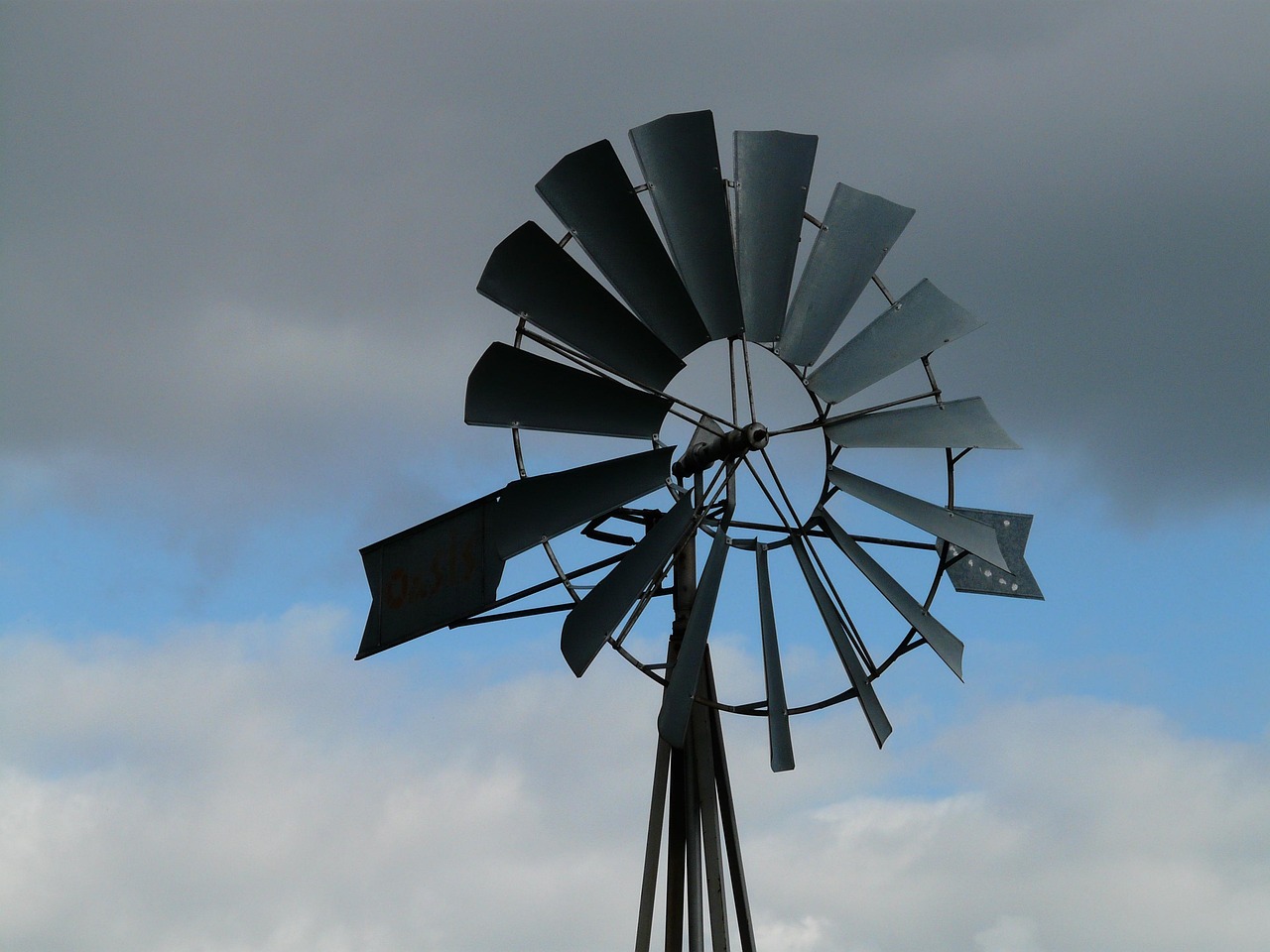

Is a wind generator for home a practical choice?
A wind generator for home can make sense when a property has strong, clean wind, enough open land, permission for a tall tower and electricity costs high enough to support a long-term investment. It is usually a better fit for rural homes, farms, ranches and remote sites than for dense neighborhoods. The U.S. Department of Energy’s small wind guidance points to the same practical filters again and again: wind resource, tower height, space, interconnection rules, energy demand and economics.
The main point is that a residential wind turbine should not be judged by nameplate wattage alone. A 5 kW, 10 kW or 15 kW turbine is useful only if the site allows the rotor to run in smooth wind for many hours of the year. If the machine is mounted too low, surrounded by trees or placed on a turbulent rooftop, actual output can be far below the buyer’s expectation.

This guide focuses on small wind systems for homes and small properties, using U.S. public data from the Department of Energy, Pacific Northwest National Laboratory, the Energy Information Administration and the IRS as factual background. For broader updates on wind energy, see the wind section of Econergyzn.
What a home wind generator includes
A home wind generator is more accurately a small wind electric system. The visible turbine is only one part of the installation. A complete system normally includes rotor blades, a generator or alternator, a tail or yaw mechanism, tower, foundation, wiring, controller, inverter and protection equipment. Off-grid systems also need batteries and charge control equipment. Many grid-connected systems do not require batteries unless backup power is part of the design.
Most residential wind turbines are horizontal-axis machines with two or three blades. Vertical-axis designs exist, but buyers should be cautious when performance claims are not supported by tested annual energy output data. Rotor diameter matters because swept area determines how much wind the turbine can intercept. In practical terms, a larger rotor in a better wind stream usually matters more than a high advertised peak watt rating.
The inverter is also a critical component. Small turbines may produce variable-frequency AC or DC that must be converted into grid-compatible AC power for household use. In grid-connected installations, the inverter and interconnection equipment must meet utility and electrical code requirements. In off-grid installations, the battery bank must be designed around depth of discharge, temperature, ventilation and safe isolation from living areas.
Wind resource and tower height matter more than marketing claims
The first question is not which turbine looks compact or inexpensive. The first question is whether the property has enough wind at the height where the rotor will operate. The Department of Energy notes that small wind can be practical when a property has a good wind resource, is often at least one acre for meaningful residential production, and can accommodate tower and zoning requirements.
Wind maps are useful for early screening, but they are not a substitute for a site assessment. DOE’s WINDExchange materials provide maps at residential and community hub heights, and the agency notes that local terrain, trees and buildings can change the real wind resource over short distances. For serious projects, measured or professionally assessed wind data at or near hub height is stronger evidence than a general county-level map.
Tower height is one of the biggest performance variables. DOE guidance gives a common rule of thumb: the bottom of the rotor blades should be at least 30 feet above obstacles in the surrounding area. The goal is to lift the turbine out of ground-level turbulence created by trees, houses, sheds and terrain. A short tower may reduce installation cost, but it can also make the entire system underperform.
| Site factor | Why it matters | Practical interpretation |
|---|---|---|
| Average wind speed at hub height | Energy output rises sharply with wind speed | Use wind maps for screening, then request site-specific output estimates |
| Obstacles | Trees and buildings create turbulence | Avoid sites where the rotor sits near or below surrounding clutter |
| Land area | Towers, setbacks and guy wires need space | Open rural parcels are usually more suitable than suburban lots |
| Tower permission | Residential zoning often limits structure height | Check zoning before paying deposits or ordering equipment |
| Utility rules | Interconnection affects cost and approval time | Ask the utility about net metering, insurance and inspection requirements early |
How to size a wind generator for a home
Sizing starts with energy use, not with a catalog. The U.S. Energy Information Administration reported that in 2022 the average U.S. residential electric-utility customer purchased 10,791 kWh of electricity for the year, or about 899 kWh per month. That figure is only an average. Homes with electric heating, cooling, EV charging, workshops or irrigation loads can use much more, while efficient homes can use far less.
DOE’s small wind guide says residential turbines can range from hundreds of watts to 100 kW for very large loads. Many homes looking for a significant contribution to annual consumption may fall in the 5 kW to 15 kW range, depending heavily on wind speed and electricity use. A smaller turbine may be useful for battery charging, remote sensors, water pumping or a cabin, but it should not be expected to offset a full modern household unless the load is very low and the wind resource is strong.
The most useful specification is annual energy output, usually shown as kWh per year at different average wind speeds. A buyer should ask for the turbine’s tested power curve, assumed hub height, rotor diameter, cut-in speed, cut-out speed, survival wind speed and expected annual production under site-specific conditions. If a seller cannot provide annual kWh estimates, the proposal is not mature enough for an investment decision.
A basic sizing process looks like this:
- Collect 12 months of electric bills and calculate annual kWh use.
- Decide whether the goal is partial bill reduction, backup charging, off-grid supply or near-full annual offset.
- Screen the site with wind maps at a realistic hub height.
- Check whether a tower can legally and physically clear obstacles.
- Ask installers to model annual energy output using the turbine power curve, tower height and local wind assumptions.
- Compare the expected annual kWh value with the installed cost, maintenance plan and electricity price.
Cost, incentives and payback in 2026
Small wind costs vary widely because the turbine is only part of the budget. Tower type, foundation, trenching, crane access, electrical work, permitting, interconnection, batteries and maintenance access can all change the installed price. DOE’s small wind guide cites a capacity-weighted average cost of $5,120 per kilowatt for a limited sample of small wind projects installed in 2021. Because that sample covered only 16 projects in three states, it should be treated as background context rather than a quote for a specific home.
The payback period depends mainly on installed cost, annual energy output, avoided electricity price and maintenance cost. High retail electricity rates help, but they cannot rescue a poor wind site. Likewise, a windy site can still fail financially if permitting, tower construction or battery storage costs are too high. A practical proposal should show simple payback and also explain what happens if annual energy output is 15% to 25% lower than modeled because of turbulence, downtime or conservative wind assumptions.
Federal tax treatment has changed. The IRS previously treated qualified small wind energy property as eligible under the Residential Clean Energy Credit, but after Public Law 119-21, commonly known as the One Big Beautiful Bill Act, IRS materials state that the residential clean energy credit is not allowed for qualifying property expenditures made after December 31, 2025. As of September 2026, homeowners considering a new residential project should not assume the former 30% federal residential credit is available. State, utility, agricultural or rural programs may still exist, but eligibility must be checked locally and confirmed before signing a contract.
Why rooftop turbines usually disappoint
Many homeowners searching for a small wind generator picture a compact unit on a roof edge. DOE guidance is much more cautious. Rooftops are turbulent because wind has to move around walls, rooflines, chimneys, nearby trees and adjacent buildings. Turbulence reduces energy production and increases mechanical loading. Turbines also vibrate, and that vibration can transmit into the building structure, creating noise and durability concerns.
This does not mean every building-mounted turbine is impossible. It does mean buyers should treat rooftop performance claims skeptically. A ground-mounted tower in clean wind is usually the more serious design for meaningful household generation. If a product is promoted as silent, maintenance-free and powerful at very low height, ask for independent test data and annual kWh output under conditions similar to the actual property.
Permitting, neighbors and interconnection
Permitting can determine whether a home wind project moves forward. Local zoning may restrict structure height, setbacks from property lines, sound levels, visual impact, tower design, wildlife concerns, utility notification and decommissioning requirements. DOE guidance notes that some residential zones have height limits far below the tower height needed for good wind performance, so zoning research should happen before engineering work becomes expensive.
Neighbors also matter. Even when a project is technically allowed, concerns about view, sound, safety or property values can trigger hearings or delays. A stronger application includes a site plan, tower drawings, setback calculations, sound data, turbine certification documents, a maintenance plan and evidence that the machine will not be mounted in a turbulent or unsafe position.
Grid-connected systems require utility approval. The utility may specify inverter standards, disconnect equipment, meter changes, insurance, inspection steps and export compensation. Net metering or net billing rules vary by state and utility, so the value of excess generation should not be guessed. In some areas, exported wind energy may offset retail purchases; in others, compensation may be lower.
How the small wind market looks in the latest DOE data
Small wind remains a specialized part of the distributed energy market. The Department of Energy’s Distributed Wind Market Report 2024 Edition, prepared with Pacific Northwest National Laboratory data, analyzed distributed wind through calendar year 2023. It reported cumulative U.S. distributed wind capacity of 1,110 MW from more than 92,000 turbines across all 50 states and several U.S. territories and districts.
The same DOE summary reported that U.S. small wind deployments increased in 2023 compared with the two previous years: 1,994 small wind turbines were installed in 2023, representing 2.3 MW of capacity and $15.2 million of funding. For comparison, the reported figures were 1,745 turbines and 2.3 MW in 2022, and 1,742 turbines and 1.8 MW in 2021. These figures show activity, but they also show that small wind is not a mass-market residential technology in the way rooftop solar became in many regions.
The practical conclusion is straightforward: home wind is a site-specific infrastructure project, not a universal appliance. It can be valuable where the resource is strong and the property is suitable. It can disappoint where a buyer tries to compensate for weak wind with a cheap turbine, short tower or optimistic sales estimate.
Buyer checklist before choosing a system
- Verify wind speed at the intended hub height, not at ground level.
- Confirm that the tower can place the rotor well above nearby obstacles.
- Check zoning, setbacks, sound limits and permit requirements before ordering equipment.
- Request annual energy output in kWh per year, not only rated watts.
- Ask whether performance data is independently tested or certified.
- Review the complete installed cost, including tower, foundation, wiring, inverter, batteries if needed, crane work and maintenance access.
- Confirm interconnection rules and compensation for exported electricity.
- Use current tax and incentive rules; do not rely on outdated federal credit assumptions.
- Compare the project with efficiency upgrades, solar, batteries or a hybrid system if wind is seasonal.
Frequently asked questions
Can a wind generator power an entire house?
Yes, but only on the right site and with a properly sized system. Many average homes would need a turbine in the multi-kilowatt range, often around 5 kW to 15 kW for a meaningful contribution, depending heavily on wind speed and energy use. A small battery-charging turbine will not power a full household load.
Is a 1 kW wind turbine enough for a home?
A 1 kW turbine may support small loads, charging or a very efficient off-grid setup, but it is usually not enough to offset the annual electricity use of a typical U.S. home. The expected annual kWh output at the actual site is more important than the 1 kW rating.
Are vertical-axis wind turbines better for homes?
Not automatically. Vertical-axis turbines can be compact, but the buyer should still demand tested annual energy output, durability evidence and realistic siting assumptions. The main issue is not the axis style; it is whether the rotor operates in strong, smooth wind.
Do home wind turbines need batteries?
Grid-connected systems often do not need batteries because the grid balances supply and demand. Off-grid systems need batteries or another storage strategy because wind output varies and calm periods can last for hours or days.
What is the biggest mistake when buying a home wind generator?
The biggest mistake is buying based on rated watts before proving the wind resource, tower height, permits and annual energy output. A smaller certified turbine on a good tower can outperform a larger, poorly sited turbine in turbulent wind.