
Wind Power Is Taking Off In China– All The Way To 2000 M AGL
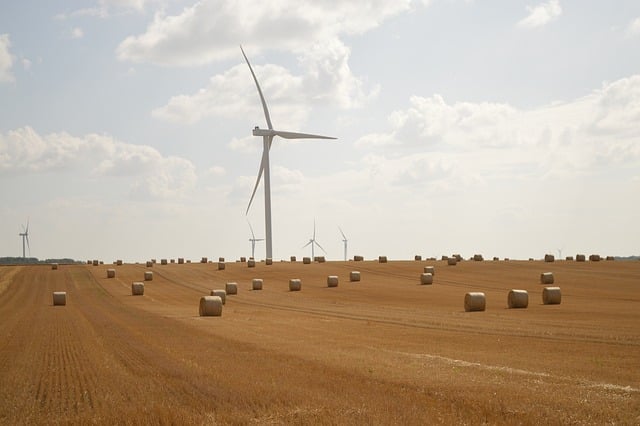
China’s wind power industry is moving into the sky—literally. Projects targeting 2000 meters above ground level (AGL) are reshaping how the country captures atmospheric energy. This new frontier of high-altitude wind taps stronger, steadier currents that could multiply output compared to ground-based turbines. For a nation chasing carbon neutrality and energy independence, airborne systems may soon complement its vast onshore and offshore fleets. The shift also reveals a broader trend: from homemade wind turbine experiments to industrial-scale innovation, the spectrum of wind generation is expanding fast.
The Rise of High-Altitude Wind Power in China
At 2000 meters, airflows behave differently from those at surface level. Engineers are rethinking turbine design, control systems, and materials to harness these powerful streams efficiently.
Understanding the 2000-Meter Above Ground Level (AGL) Wind Power Concept
High-altitude wind energy extracts kinetic power from atmospheric layers unreachable by standard turbines. Unlike fixed towers or offshore platforms, airborne devices—such as kites or drone-mounted rotors—operate on tethers that allow flexible positioning within optimal jet streams. The main distinction lies in mobility and altitude: conventional turbines reach up to about 200 meters, while airborne systems soar ten times higher. At such heights, winds are not only faster but also more consistent throughout the year, offering higher capacity factors and reduced intermittency.
Key Technologies Driving China’s High-Altitude Wind Revolution
China’s research institutes and private firms are developing tethered rotorcrafts that mimic helicopter dynamics for sustained flight. Kite-based systems employ crosswind motion to amplify lift forces and generate electricity through ground-based generators. Advances in carbon-fiber composites and lightweight alloys make these designs viable by reducing drag and material fatigue. AI-driven control algorithms continuously adjust flight paths to maintain optimal tension and altitude, maximizing yield while minimizing mechanical stress—a critical factor when operating thousands of meters above terrain.
Strategic Goals Behind China’s Investment in High-Altitude Wind Energy
This initiative aligns with China’s pledge to achieve carbon neutrality before 2060. By pioneering domestic airborne turbine technology, the country reduces reliance on imported components from Europe or North America. Regional demonstration zones in Inner Mongolia and coastal provinces are being integrated into national grid planning to test scalability. Beyond environmental goals, such projects support industrial upgrading by merging aerospace engineering with renewable energy manufacturing.
Assessing the Capabilities of Homemade Wind Turbines
While national programs aim high into the atmosphere, grassroots innovators still experiment closer to home. Comparing these scales reveals both creative potential and technical limits.
Technical Fundamentals of a Homemade Wind Turbine
A typical homemade wind turbine uses PVC pipes or repurposed aluminum for blades, bicycle hubs for bearings, and small DC motors as generators. These DIY setups rely on basic aerodynamic lift principles similar to large turbines but simplified for cost and accessibility. Under moderate wind speeds around 5–8 m/s, output rarely exceeds a few hundred watts—sufficient for lighting or battery charging but far below commercial standards.
Engineering Constraints in Small-Scale Wind Generation
Balancing rotor blades remains one of the toughest challenges; even slight asymmetry causes vibration that shortens bearing life. Without active pitch control or yaw mechanisms, efficiency drops sharply when wind direction shifts. Low-cost generators often convert only a fraction of mechanical energy into electricity due to resistance losses. Maintenance is frequent since exposure to weather quickly corrodes improvised materials, raising safety concerns especially where regulation is minimal.
Comparing Scale, Efficiency, and Output Potential
Industrial airborne systems target multi-megawatt capacities per unit; homemade models stay within kilowatt range at best. At 2000 m AGL, average wind speeds can double those near ground level, leading to roughly eightfold increases in available power density due to the cubic relationship between speed and energy output. Moreover, DIY turbines typically operate off-grid using standalone batteries, whereas industrial installations feed directly into smart grid infrastructure with real-time monitoring.
Aerodynamic and Atmospheric Considerations at 2000 Meters AGL
Operating two kilometers above Earth’s surface introduces new physical realities that reshape engineering priorities.
The Physics of High-Altitude Airflows
At 2000 m AGL, air density decreases by about 20 %, but mean wind velocity rises significantly due to reduced frictional drag from terrain features. Turbulence intensity drops compared with near-surface flows, allowing smoother rotational motion ideal for continuous generation cycles. Jet stream interactions also create predictable seasonal patterns beneficial for long-term forecasting models used by operators.
Structural Requirements for Operating at Extreme Heights
Tethers must withstand dynamic loads exceeding several tons during gust events while remaining light enough not to hinder lift performance. Composite fibers like ultra-high-molecular-weight polyethylene provide strength-to-weight ratios suitable for such applications. Continuous stress cycles at altitude demand fatigue-resistant joints and automated inspection drones for maintenance tasks within restricted airspace corridors governed by civil aviation authorities.
Economic and Environmental Dimensions of Competing Systems
The economics behind high-altitude projects differ sharply from small-scale home builds but both share sustainability motives.
Cost-Benefit Analysis: Industrial vs Homemade Approaches
Industrial airborne wind farms require substantial upfront investment in aeronautical hardware yet promise lower operational costs per kilowatt-hour once deployed at scale. By contrast, a homemade wind turbine might cost under $500 but produces electricity at far higher unit cost due to inefficiency and downtime. Government incentives or carbon credit schemes can shorten payback periods for commercial ventures while hobbyist projects rely mainly on personal motivation rather than financial return.
Environmental Footprint Across Scales of Production
Large installations consume advanced materials during fabrication but occupy less land area relative to output compared with traditional towers. Noise levels remain low since rotors operate far above inhabited zones; wildlife interference is minimized through altitude separation from bird migration paths. DIY units use recycled parts yet may lack proper disposal pathways once decommissioned—an often-overlooked aspect of small-scale sustainability.
Innovation Pathways Bridging DIY Engineering and Industrial Scale Systems
Despite their differences in scale and sophistication, both ends of the spectrum contribute knowledge that accelerates renewable diversification.
Opportunities for Knowledge Transfer from Industrial Research to DIY Communities
Open-access simulation software now allows enthusiasts to model blade aerodynamics using data derived from industrial research programs funded by public institutions. University labs increasingly collaborate with maker communities through workshops that translate complex fluid dynamics into practical design guidelines accessible outside corporate R&D environments.
Emerging Hybrid Models of Decentralized Renewable Generation
Micro-turbines can supplement community microgrids where central infrastructure remains weak—particularly in mountainous or island regions where transporting fuel is costly. Such decentralized nodes enhance resilience during grid outages while complementing large-scale high-altitude operations feeding national demand centers.
Future Outlook for Global Wind Power Diversification
Localized creativity paired with industrial ambition defines modern renewable strategy worldwide. As airborne platforms mature technologically and homemade experimentation continues spreading awareness at grassroots level, global wind power becomes more diversified—both technically and socially—supporting broader decarbonization pathways envisioned by international agencies like IRENA and IEA.
FAQ
Q1: What makes 2000 m AGL an ideal altitude for wind power?
A: Winds at this height are faster and steadier than near-surface flows, increasing energy yield while reducing intermittency risk.
Q2: How does a homemade wind turbine differ from commercial ones?
A: Homemade units use simple materials like PVC blades and small DC motors; commercial systems employ precision-engineered composites capable of megawatt-scale output.
Q3: Are high-altitude turbines safe for aviation?
A: Yes, they operate within controlled airspace zones under strict coordination with civil aviation authorities using radar tracking protocols.
Q4: Can small DIY turbines connect directly to the grid?
A: Typically no; most serve off-grid setups since synchronization equipment needed for grid tie-in adds significant cost.
Q5: What role will AI play in future airborne wind systems?
A: AI will manage real-time flight stability, optimize altitude selection based on atmospheric data streams, and predict maintenance needs before mechanical failure occurs.