
What Is an Axial Wind Turbine and Why Does It Matter?
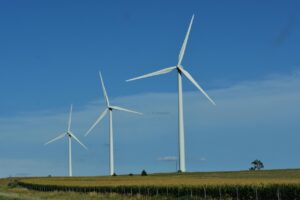
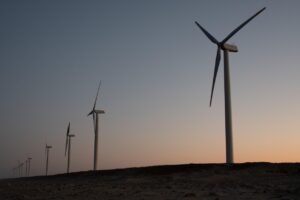
An axial wind turbine is the common wind machine with a rotor shaft running roughly in the same direction as the incoming wind. If you are checking equipment for farms, factories, remote loads, or grid projects, this design should be on the shortlist because it is the main layout used in wind power today. You can review more wind solutions in the wind energy section, but the main point is simple: the axial layout turns moving air into rotating power through a tested setup that the market knows well.
A Rotor Axis Facing the Wind
In an axial design, the rotor faces the wind and turns around a horizontal axis. This is why many official sources call it a horizontal-axis wind turbine. The U.S. Energy Information Administration, updated December 2023, states that nearly all operating wind turbines are horizontal-axis machines. For buyers, that matters because it shows where real field use has settled after many years of operation.
Three Blades for Stable Output
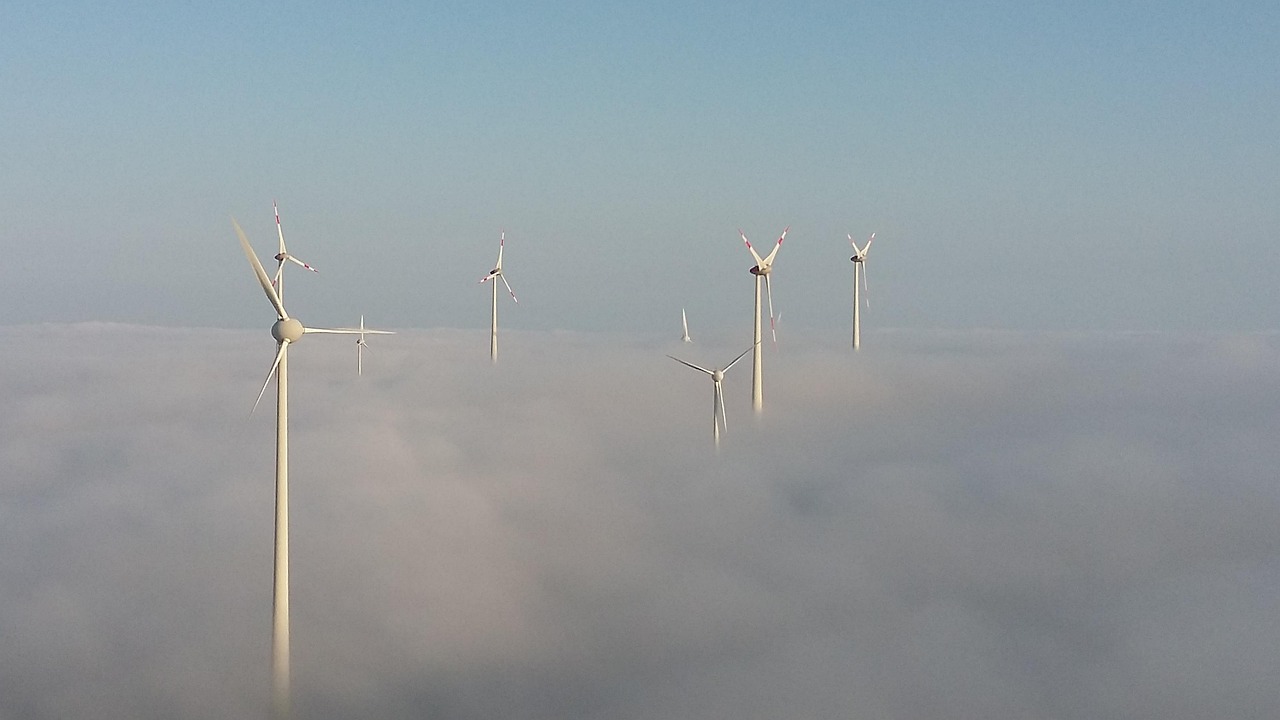
Most modern axial turbines use three blades. The U.S. Department of Energy notes that horizontal-axis turbines commonly have three blades and operate upwind, which means the rotor faces the incoming wind. Three blades are not a sales trick; they give a workable balance of smooth rotation, lower vibration, and reasonable manufacturing cost. Two-blade machines can run, but the operation is often less steady.
Upwind Yaw Control
An axial turbine normally turns at the top of the tower so the blades keep facing the wind. This action is called yaw control. On a small machine, it may be handled by a tail vane. On a larger unit, it is usually an active motorized system. If the rotor sits off the wind direction, output drops quickly, so yaw control is part of the basic power path.
How Does an Axial Wind Turbine Turn Wind Into Electricity?
The working process is easy to follow, even though the engineering takes careful design. Wind passes across the blade, the blade makes lift, the rotor turns, and the drivetrain sends rotation to a generator. Output improves when blade shape, tower height, generator size, and local wind speed are matched properly.
Lift From Air Pressure Difference
The Department of Energy explains that wind turbine blades work much like airplane wings. As wind moves over a blade, air pressure changes on the two sides. Lift becomes stronger than drag, and that force turns the rotor. This is why a blade is not just a flat piece of material; its twist, length, and airfoil shape all affect production.
Rotor, Shaft, and Generator Path
The rotor connects to a shaft and then to a generator. In smaller systems, this drivetrain can be quite compact. In utility-scale machines, the main parts sit inside a nacelle at the top of a tall tower. The EIA describes horizontal-axis turbines as propeller-like machines where blades catch wind, a generator converts mechanical energy into electricity, and a control system manages blade direction.
Direct Drive or Gearbox Choices
Some axial turbines use a gearbox to raise rotation speed for a smaller generator. Other models use direct drive, where the rotor connects more directly to a larger, slower-speed generator. A gearbox can reduce generator size, but it also adds moving parts. Direct drive can reduce gearbox maintenance, but the generator may be heavier. The better choice depends on project size, service access, transport limits, and the expected operating profile.
Is an Axial Wind Turbine Better Than a Vertical-Axis Design?
Axial turbines are often compared with vertical-axis turbines, especially when people discuss small wind systems. The vertical-axis type can look useful because it can accept wind from many directions. In real projects, the decision is not about which shape looks more interesting. The decision is about which design can deliver dependable energy at a cost the project can carry.
Stronger Performance in Open Wind
The EIA says very few vertical-axis wind turbines are in use today because they do not perform as well as horizontal-axis turbines. That is a direct statement from a public energy data agency. In open wind areas, an axial turbine can place long blades high above ground turbulence, where wind is usually steadier and faster. That often leads to better annual energy output.
Easier Scaling for Utility Projects
Axial turbines scale well for larger projects. Large machines can use long blades, tall towers, pitch control, and advanced monitoring. The EIA notes that the largest horizontal-axis turbines can be as tall as 20-story buildings and can have blades more than 100 feet long. Bigger rotors sweep more area, and swept area has a major effect on energy capture.
Real Limits in Tight Urban Sites
This does not mean an axial wind turbine fits every roof or small lot. Urban wind is uneven because buildings create gusts, dead zones, and sharp direction changes. A compact vertical-axis design may be easier to mount in some tight spaces. Even then, public data for many urban small-wind output claims is limited. If a supplier promises high output on a low rooftop, ask for measured production from a similar site.
Where Does an Axial Wind Turbine Fit Best?
Good wind projects start with site conditions, not sales sheets. An axial design needs clean wind, enough tower height, and room for safe access. When those conditions are present, it can serve many loads, from a ranch pump to a factory trying to cut grid purchases.
Farms, Factories, and Rural Loads
Distributed wind is a strong fit for rural and industrial sites because they often have land, wind exposure, and real daytime or 24-hour loads. The Pacific Northwest National Laboratory 2024 Distributed Wind Market Report found that the United States added 10.5 MW of distributed wind in 2023 from 1,999 turbine units. That market is smaller than solar, but it still shows steady use in practical places.
Grid Projects and Wind Farms
For wind farms, axial turbines are the standard choice. Multiple units are arranged across a wide area, and spacing is planned to reduce wake losses. Global Wind Energy Council data from its Global Wind Report 2025 says 117 GW of wind capacity was installed worldwide in 2024. That figure points to an established supply chain and ongoing buyer demand.
Hybrid Sites With Solar and Storage
An axial wind turbine can also work beside solar panels and batteries. In some regions, wind produces more at night or during cloudy seasons. Solar often peaks around midday. The mix can make site power more stable, but it still needs proper sizing. Before fixing the system size, compare hourly load, wind speed records, solar yield, and battery costs. See also: clean energy.
What Data Should Guide Your Turbine Selection?
A buyer does not need to become a wind engineer, but the right questions matter. Check public market data, site wind data, capacity factor, installed cost, service needs, and warranty terms. The numbers will not answer every point, but they keep the discussion based on real project conditions.
Global Wind Capacity Signals Demand
IRENA reported in March 2024 that global renewable power capacity reached 3,870 GW at the end of 2023. GWEC reported that total installed wind capacity passed 1 TW in 2023. The message is clear enough: wind is not an experimental niche. If your site has a good wind resource, equipment choice can come from a broad global market.
Distributed Wind Numbers Show Practical Scale
PNNL reported that U.S. small wind additions in 2023 reached 2.3 MW from 1,994 turbine units, representing about 15.2 million dollars in investment. For new small-wind projects with cost data, the 2023 average capacity-weighted installed cost was 7,370 dollars per kW, based on five projects totaling 131.2 kW. That sample is small, so use it as a reference point rather than a fixed price for every site.
Capacity Factor Depends on the Site
PNNL also reported an average 2023 net capacity factor of 13% for a sample of 100 small wind projects. Distributed projects using midsize and large turbines averaged 21% in another sample. Some projects performed above those figures, and some fell below them. Wind speed, tower height, siting, downtime, and maintenance can change project economics more than the nameplate rating.
How Should You Plan Before Buying an Axial Wind Turbine?
Before requesting a quote, take time to check the site properly. A turbine is a moving machine on a tower, not a plug-in appliance. A sensible buying process reviews the wind resource, land, load, local rules, and service plan before the purchase order is signed.
Wind Resource and Tower Height First
Start with measured or well-modeled wind data at the planned hub height. A 10-meter reading from a nearby weather station can mislead you if the turbine hub will be much higher or if hills and trees change the flow. Taller towers often reach cleaner wind, but they also raise foundation, crane, and permit costs.
Permits, Noise, and Maintenance Access
Check setbacks, zoning, aviation rules, electrical interconnection, and sound limits early. A site may have good wind and still face a permit problem. Leave room for cranes or service trucks as well. This point is easy to miss during early layout work. When it is missed, maintenance often becomes slower and more expensive.
Supplier Checks and Spare Parts
Ask for field references, production data, warranty scope, controller details, and spare-part lead times. For remote sites, one small sensor or brake part can decide whether downtime lasts two days or two months. A reliable axial wind turbine supplier should discuss maintenance clearly. Rated power and good photos are not enough for a real project decision.
FAQ
Q1: Is an axial wind turbine the same as a horizontal-axis wind turbine? A: In most buying and engineering discussions, yes. An axial wind turbine usually means the rotor turns around an axis aligned with the wind, which matches the horizontal-axis design used by most modern wind projects.
Q2: How many blades should an axial wind turbine have? A: Most modern models use three blades because this layout gives smooth rotation, good energy capture, and proven field performance. Some machines use two blades or more than three, but three is the industry norm.
Q3: Can an axial wind turbine work for a small business? A: Yes, if the site has steady wind, enough tower height, clear space, and a suitable load. Farms, rural facilities, schools, and factories are often better candidates than dense urban rooftops.
Q4: What is a good capacity factor for a small wind turbine? A: It depends on the site. PNNL found a 13% average net capacity factor in 2023 for one small wind sample, but stronger sites can do better. Always request a site-specific energy estimate.
Q5: What should you check before ordering a turbine? A: Check wind data, tower height, permits, grid connection rules, installed cost, maintenance access, supplier history, spare parts, and warranty terms. A careful site review is usually better than a fast purchase.