
Why Do Wind Turbine Blades Matter More Than Ever?
If you judge a wind project only by generator size, tower height, or unit price, you leave out the part that touches the wind first. Wind turbine blades affect how much air the turbine uses, how load moves into the drivetrain, and how often the site team has to deal with repair work. For more wind project topics, you can visit the Econergy wind resources.
The Global Wind Energy Council said in its Global Wind Report 2025 that 117 GW of new wind power capacity was installed worldwide in 2024. That growth puts more attention on blade quality, because every added meter of rotor length can bring more output, but it also brings more work in transport, inspection, and repair. (gwec.net)
Rotor Diameter Sets the Capture Area
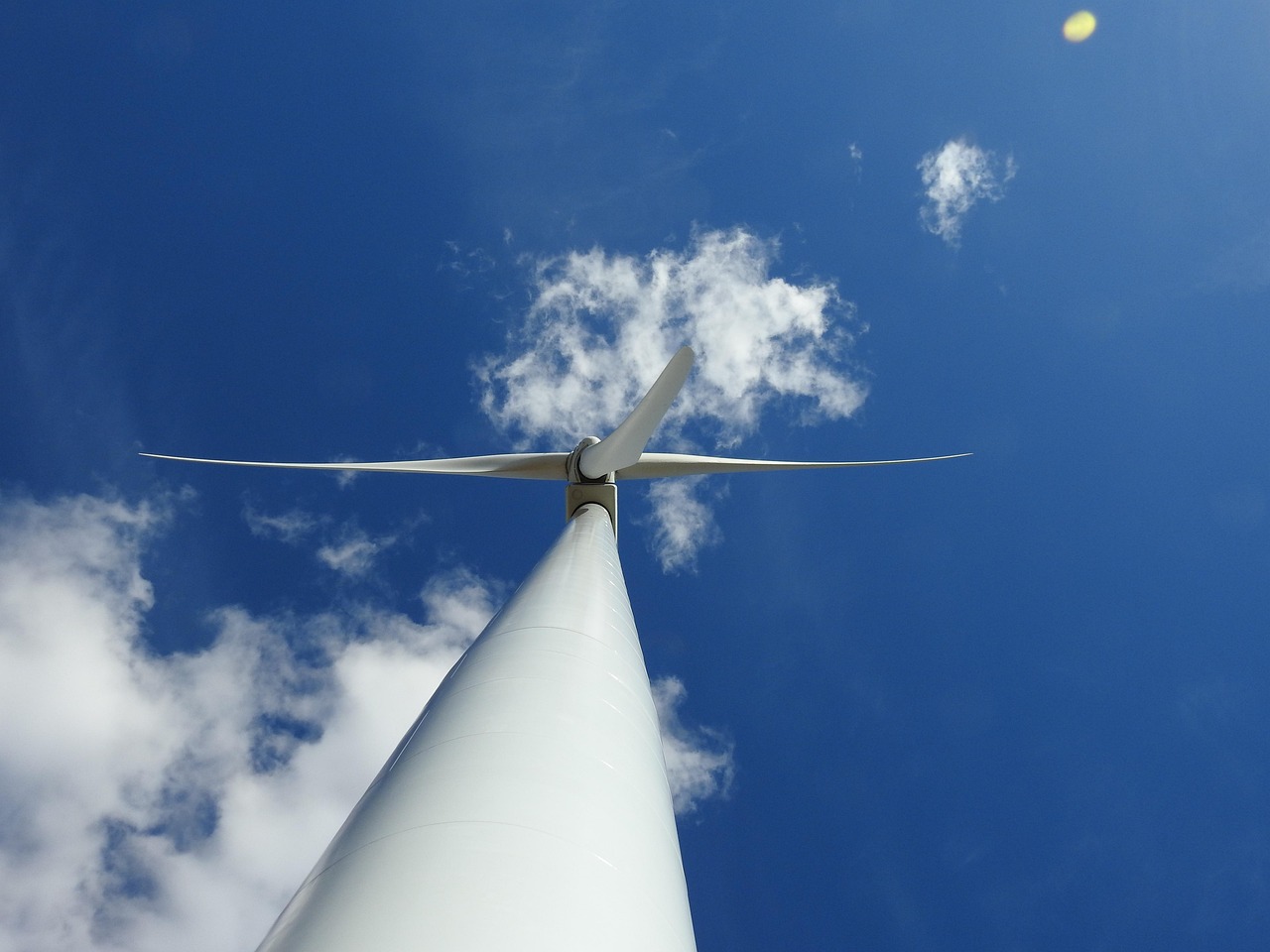
A turbine does not take wind like a flat wall. It sweeps a round area, and that area increases quickly when the rotor becomes wider. Even a small increase in blade length can give a much larger swept area.
This is why many new turbines use longer blades, especially in low and medium wind regions. In those sites, a little more air capture can make a clear difference to the project yield.
Blade Quality Shapes Lifetime Energy Output
Two blades can look nearly the same from the ground, but the output over 20 or 25 years may not be the same. Surface finish, stiffness, weight balance, and root strength all affect how the blade works in daily operation.
A smooth leading edge helps the airflow stay stable. A well-balanced blade reduces vibration, and that matters when the turbine keeps running through storms, heat, salt fog, and dust.
Buying Choices Affect Logistics and Service
Blade selection is not only a design issue. It also affects road surveys, port handling, cranes, storage racks, spare parts, and the repair team needed after delivery.
A blade that looks right on the datasheet can become expensive if the delivery route has tight turns, weak bridges, or limited lifting space near the site. Buyers need to check the power curve and the delivery plan at the same time.
What Are Wind Turbine Blades Made From?
Most blades use composite materials because the blade has to be light, strong, and able to flex a little. Steel is too heavy for this job, while plain plastic cannot handle the repeated loads.
Composite design gives the blade enough stiffness to keep its shape and enough strength to handle millions of rotations. This is also why material control in the factory matters so much.
Fiberglass and Resin as the Common Base
The U.S. Geological Survey, citing NREL material data, says wind turbines are mainly steel by mass. Fiberglass, resin, or plastic commonly account for 11% to 16% of total turbine mass depending on model. (usgs.gov)
That share looks small when compared with steel, but it is still important because much of it is in the blades. Recycling those composite parts is harder than recycling steel or copper.
Carbon Fiber for Longer and Stiffer Designs
Carbon fiber is used more often in long blades because it gives high stiffness without adding too much weight. It is not always the lowest-cost material, so suppliers usually place it where it brings the most value, such as spar caps.
For a buyer, the bill of materials is worth checking in detail. Blade length and rated turbine power are useful numbers, but they do not tell the full story.
Coatings, Lightning Paths, and Root Inserts
A blade is not only fiber and resin. The outer coating helps protect against rain erosion and ultraviolet exposure.
Lightning receptors and down conductors guide strikes away from the main structure, while root inserts connect the blade to the hub with heavy bolts. If these parts are poorly made, the blade may lose output or need repair long before the shell reaches its design life.
How Do Blade Shape and Length Change Power Output?
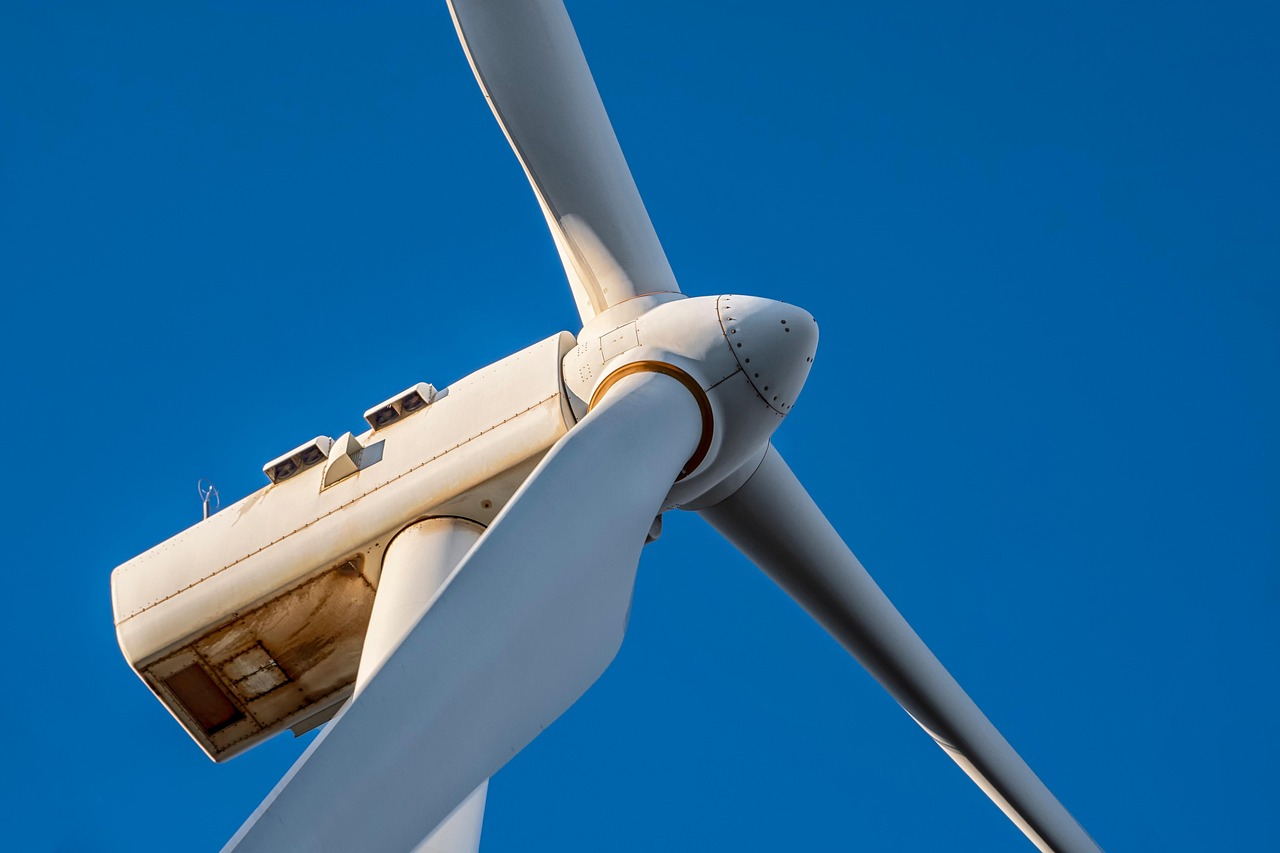
Blade geometry turns moving air into rotational force. The idea is simple, but the blade shape changes a lot from root to tip.
The root carries large loads, the middle section does much of the power work, and the tip moves fastest. The tip also has to deal with noise, wake loss, and fatigue.
Airfoil Sections That Manage Lift and Drag
Each blade section has an airfoil profile. A good profile creates lift while keeping drag under control as wind speed changes.
When the surface becomes rough from insects, sand, ice, or rain damage, the air separates earlier and output drops. In some sites, cleaning and leading edge repair can bring back more value than the owner first expects.
Longer Blades That Reach Lower Wind Sites
Longer blades help turbines work in places where the wind is steady but not very strong. That is one reason low-wind-speed turbines are now common in many inland markets.
The tradeoff is load. Longer blades bend more, so they need careful control systems, stronger spar design, and tighter manufacturing tolerance.
Transport Limits That Shape Project Size
NREL noted that bends and turns in rail lines have made 75 meters a practical upper limit for many single-piece land-based blades moved by rail. At the same time, research has looked at flexible 100-meter blade transport concepts. (nrel.gov)
Offshore blades can be larger because ports and barges remove some inland road limits. For onshore projects, transport limits often decide what blade size can be used, even before the engineering team talks about energy yield.
What Should You Check Before Buying Wind Turbine Blades?
A blade purchase should match the turbine model, the site condition, and the service plan. Price matters, but a very low quote can hide missing test records, weak packing, poor coating control, or unclear repair support.
For foreign trade buyers, documents and logistics details often decide whether the order stays smooth after shipment. It is better to check these points before the contract is signed.
Wind Class Matching and Site Conditions
Start with wind class, turbulence, temperature range, humidity, salt, sand, icing risk, and lightning density. A coastal turbine faces different problems from a turbine on a dry plateau.
A blade built for one condition may still run in another, but fatigue margins and coating life can change. Ask for the design basis, not only the model name. See also: clean energy.
Certification, Traceability, and Factory Records
Good blade records should include material batch numbers, vacuum infusion data or layup records, curing information, dimensional checks, balance data, non-destructive inspection results, and final acceptance notes. These records help the buyer see how the blade was actually made.
Certification does not replace factory discipline, but it gives all parties a common reference. Suppliers, developers, insurers, and service teams can use the same documents when they review the product.
Packing, Handling, and Spare Part Planning
Long blades can be damaged before they ever meet the wind. Lifting points, saddle design, root frame strength, weather protection, and sea fastening all need checking before shipment.
A simple checklist helps during procurement, especially when the buyer is managing the order from another country:
- Confirm blade model compatibility with the hub and control system.
- Check transport drawings before signing the delivery schedule.
- Ask for repair materials, coating data, and field service guidance.
- Plan at least one spare strategy for projects far from major ports.
How Can You Keep Blades Working Longer?
Blade maintenance usually costs less when it is done early. A small chip at the leading edge may look harmless during a ground walk.
After months of rain and high tip speed, that chip can become a rough strip that cuts output and may lead to deeper laminate damage. The key is to find defects before they turn into structural repair.
Regular Inspections Before Damage Spreads
Visual inspection, drone imaging, rope access checks, and thermal or ultrasonic methods each have their place. Drone photos are fast and useful for ranking visible defects.
Rope access gives closer detail when a repair decision is needed. Advanced testing helps when the team suspects internal damage, but the site does not need every method every time; it needs a repeatable inspection rhythm.
Leading Edge Care in Rainy or Sandy Sites
The leading edge takes most of the wear. Rain droplets hit hard at high tip speed, and sand works like fine grinding media.
Protective tape, erosion-resistant coatings, and scheduled touch-up work can help protect output. In a desert project, dust may be the daily problem; in a coastal project, salt and rain often cause slower but steady damage.
Repair Windows That Protect Production
Blade repair should fit the wind season. If a site earns most of its power during winter, long repair stops in that season will cut revenue.
Many owners put minor repairs into lower wind months. This is a practical approach, and it also helps keep resin cure temperature, humidity, and technician safety within acceptable limits.
What Happens to Wind Turbine Blades at End of Life?
End-of-life planning is now part of serious blade procurement. Older blades were often designed first for strength and cost, with less focus on recovery after service.
Newer projects face stricter sustainability targets, customer questions, and local waste rules. Depending on the blade and the market, the answer may be reuse, mechanical recycling, chemical recovery, or a mix of these options.
Reuse for Structural and Civil Products
Some retired blades can be used again as bridge parts, noise barriers, shelters, or other civil products after engineering review. Reuse keeps large sections intact and can avoid heavy processing.
It is not a solution for every blade. The blade condition, transport distance, local approvals, and demand for the final product all decide whether reuse makes commercial sense.
Mechanical Recycling for Cement and Fillers
The U.S. Department of Energy states that about 85% to 90% of a wind turbine’s mass is already made of materials that can be commercially recycled. The remaining 10% to 15% is harder, mainly because of composites and some critical-material components. (energy.gov)
Blade recycling is therefore a focused problem, not a reason to ignore wind power. For buyers and owners, the main point is to plan the blade route early instead of waiting until decommissioning starts.
New Resin Systems and Chemical Recovery
Chemical recovery, pyrolysis, and recyclable resin systems are moving from research into commercial use, but cost and local supply chains still matter. A process that works in one region may not be ready in another.
WindEurope says the European wind industry has pledged to reuse, recycle, or recover 100% of decommissioned blades in Europe. That is a clear sign that landfill is becoming less acceptable in mature markets. (windeurope.org)
FAQ
Q1: How Long Do Wind Turbine Blades Usually Last? A: Many blades are designed around a 20 to 25 year project life, but actual life depends on wind load, maintenance, lightning, erosion, and repair quality.
Q2: Why Are Wind Turbine Blades So Hard to Recycle? A: Blades use strong composite materials that bond fibers and resin together. That bond gives good strength, but it makes separation harder than recycling steel or copper.
Q3: Are Longer Blades Always Better? A: Not always. Longer blades can capture more wind, but they also add loads, transport limits, and service needs. The best length matches the turbine, site, and delivery route.
Q4: What Causes Most Blade Surface Damage? A: Rain erosion, sand, dust, insects, ultraviolet exposure, ice, and lightning can all damage the surface. Leading edge wear is one of the most common issues.
Q5: What Should You Ask a Blade Supplier First? A: Ask for turbine compatibility, certification status, material traceability, inspection records, coating details, packing drawings, and field repair support before you compare price alone.