
Small Wind Turbines Offer Minnesota Farmers Path to Energy Independence
Small windmills are increasingly seen as a practical route for Minnesota’s farmers to gain energy independence. The state’s geography and steady wind resources make it ideal for distributed generation. These systems not only cut electricity costs but also support sustainability goals and reduce exposure to volatile energy markets. With modern turbine technology, supportive policies, and growing interest in on-farm renewables, small wind power is shifting from a niche investment to a mainstream agricultural tool.
The Potential of Small Windmills in Minnesota’s Agricultural Energy Landscape
Minnesota’s agricultural sector faces rising energy costs and pressure to decarbonize operations. Small windmills, when integrated into farm systems, can transform how rural energy is produced and consumed.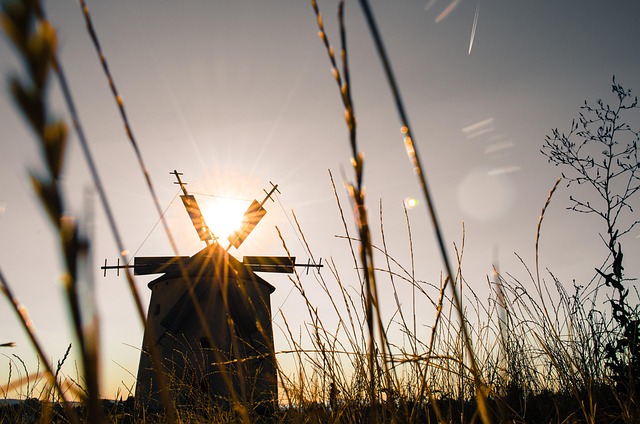
The Role of Distributed Wind Energy
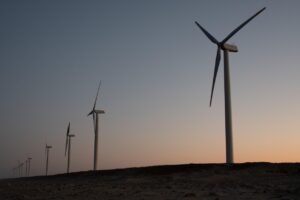
Distributed wind systems generate power close to where it’s used, reducing transmission losses and grid dependency. For farms, this means more control over energy supply and less vulnerability to utility rate changes. Many farms now pair turbines with existing electrical infrastructure, allowing them to offset peak demand or run critical equipment during outages.
Reducing Dependency on Centralized Utilities
Traditional grid reliance exposes farms to price fluctuations and potential service interruptions. By producing their own power through small windmills, farmers gain operational stability. This localized generation model strengthens rural resilience while contributing excess energy back to the grid under net metering programs.
Enhancing Operational Resilience Through Integration
Integrating turbines with existing farm systems—like irrigation pumps or grain dryers—creates an adaptive energy ecosystem. When combined with other renewables or battery storage, small wind installations can maintain steady output even during variable weather conditions.
Assessing Minnesota’s Wind Resource Availability
Before investing in turbines, farmers must evaluate local wind characteristics carefully. Minnesota offers favorable conditions but site-specific data remains critical for performance accuracy.
Geographic and Climatic Suitability
The state’s open plains and moderate elevation provide consistent mid-level winds ideal for small-scale turbines. Many counties in southern and western Minnesota record average speeds above 6 meters per second at hub height—sufficient for most farm applications.
Seasonal Variations Affecting Output
Winter months generally deliver stronger winds than summer, aligning well with higher heating demands on farms. However, ice buildup during severe cold periods can slightly reduce efficiency if maintenance schedules are not adjusted accordingly.
Importance of Regional Wind Mapping
Advanced mapping tools from the National Renewable Energy Laboratory (NREL) help pinpoint optimal turbine placement by modeling turbulence zones and elevation effects. Proper siting ensures maximum yield without interfering with crop operations or livestock areas.
Economic Viability and Financial Considerations for Farmers
For most farmers, the decision hinges on cost recovery timelines and available incentives rather than pure environmental motives.
Cost-Benefit Analysis of Installations
Upfront expenses include turbine purchase, tower erection, electrical connection, and permitting fees. While small units (10–50 kW) may cost between $30,000–$200,000 installed, savings accrue over time through reduced utility bills. Maintenance costs remain relatively low if regular inspections are performed.
Incentives, Subsidies, and Financing Options
Federal tax credits under the Investment Tax Credit (ITC) program cover up to 30% of project costs. Minnesota also offers grants through its Department of Commerce to promote renewable adoption in agriculture. Low-interest loans from rural cooperatives further lower financial barriers for smaller producers.
Cooperative Ownership Models
Some rural communities explore shared ownership models where multiple farms co-invest in a single turbine installation. This approach spreads risk while allowing participants to benefit proportionally from generated electricity.
Technical Integration with Farm Operations
Beyond economics, technical compatibility determines long-term success for on-farm wind systems.
Grid Connection vs Off-Grid Systems
Grid-tied setups allow surplus electricity sale through net metering agreements with utilities—a valuable revenue stream during windy seasons. Off-grid configurations appeal to remote operations lacking reliable access but require additional storage capacity such as lithium-ion batteries or hybrid diesel backups.
Hybrid Models Combining Renewables
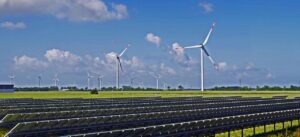
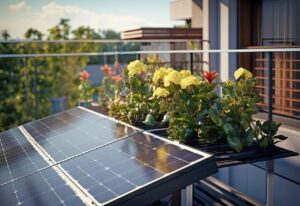
Many progressive farms now deploy hybrid microgrids blending small windmills with solar arrays or biomass generators. This combination stabilizes output across seasons since solar peaks in summer while wind dominates winter months.
Maintenance, Durability, and Performance Optimization
Routine inspection of blades, bearings, and control electronics prevents costly downtime. Tower height selection significantly influences efficiency: taller towers capture steadier winds above ground turbulence layers. Data monitoring platforms can track performance trends and flag anomalies early for corrective action.
Environmental and Sustainability Impacts
Adopting small-scale wind contributes directly to Minnesota’s carbon reduction targets while complementing sustainable farming practices.
Reducing Carbon Footprint Through On-Farm Power
Each kilowatt-hour generated by a small turbine displaces fossil-fuel-based electricity from the grid. Over its lifespan, one 20-kW unit can offset hundreds of tons of CO₂ emissions—an impact comparable to planting several thousand trees across farm boundaries.
Synergy With Regenerative Agriculture
Wind installations coexist easily with regenerative methods like cover cropping or rotational grazing since they occupy minimal ground area yet supply clean energy that powers electric fencing or irrigation systems sustainably.
Land Use Efficiency and Wildlife Protection
Proper siting avoids crop shading or interference with machinery routes. Studies show that smaller turbines pose minimal risk to birds when located away from migratory corridors and nesting habitats identified by state wildlife agencies.
Policy, Regulation, and Community Dynamics in Rural Minnesota
Policy clarity remains essential for expanding distributed wind across rural landscapes without friction among stakeholders.
Navigating Permitting and Zoning Requirements
Local ordinances typically regulate tower height limits (often 120 feet), noise thresholds below 50 dB at property lines, and setback distances from dwellings or roads. Simplified permitting frameworks introduced by county boards have accelerated adoption rates among family-owned farms.
Collaboration Between Developers and Local Authorities
Early engagement between turbine suppliers and zoning officials helps align projects with community standards while avoiding delays due to environmental review disputes or visual impact concerns.
Community Perceptions and Social Acceptance of Wind Projects
Transparent dialogue about expected noise levels, visual aesthetics, and economic benefits builds trust among residents. Shared-benefit schemes where neighbors receive minor compensation from nearby turbines often improve acceptance dramatically in tight-knit rural areas.
Future Outlook for Energy Independence in Agriculture
The next decade will likely see rapid evolution as technology matures and policy frameworks stabilize around distributed renewables.
Technological Advancements in Small Wind Systems
Modern blade materials such as carbon composites increase efficiency at lower speeds typical of farm environments. Smart controllers now adjust pitch angles dynamically based on live meteorological data feeds improving annual yield consistency by up to 10%.
Integration With Digital Farm Management Platforms
New software links turbine performance metrics directly into precision agriculture dashboards so operators can coordinate power use with irrigation cycles or grain drying schedules seamlessly—turning energy into another manageable crop input rather than an external cost variable.
The Evolving Role of Farmers as Renewable Producers
Farmers are transitioning into active participants within decentralized power networks rather than passive consumers. As regional cooperatives coordinate shared infrastructure investments across counties, agricultural communities could soon achieve partial self-sufficiency from external utilities altogether.
FAQ
Q1: How much wind speed is needed for a small turbine on a Minnesota farm?
A: Most modern small turbines operate efficiently starting around 5 meters per second; optimal sites exceed 6 m/s at hub height according to NREL data maps.
Q2: What maintenance schedule suits rural turbines best?
A: Annual mechanical inspection plus semiannual visual checks after major storms typically suffice; gearbox oil should be replaced every two years depending on usage hours.
Q3: Can small windmills coexist with livestock operations?
A: Yes; properly sited towers do not disturb animals when placed outside main grazing routes or feeding zones since noise levels remain low at ground distance.
Q4: Are there specific grants available for Minnesota farmers?
A: The USDA Rural Energy for America Program (REAP) provides grants covering up to 25% of total project cost alongside state-level funding opportunities through the Department of Commerce Clean Energy Resource Teams initiative.
Q5: How long before investment payback occurs?
A: Depending on system size and local electricity prices, payback periods typically range between 7–12 years though hybrid setups may shorten this timeline when paired with other renewables like solar panels.