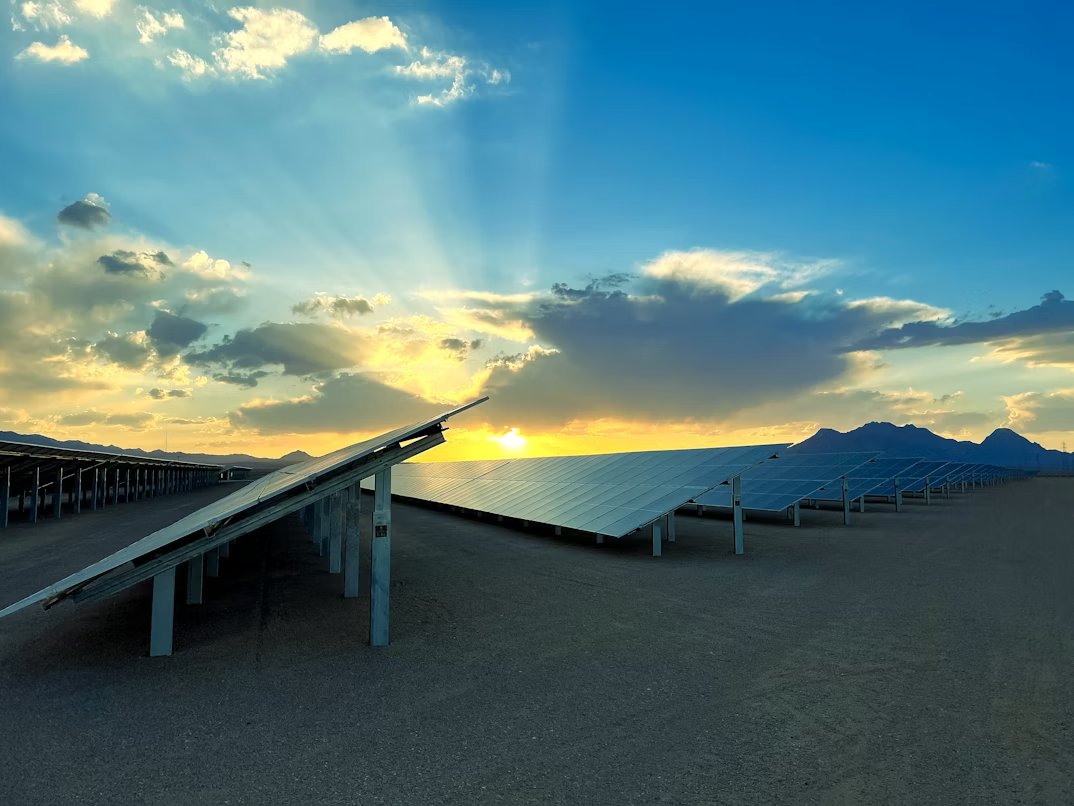

Solar power has grown into more than just a clean way to make electricity. It now acts as a key tool that shapes how countries build support for all kinds of clean energy plans. Solar can grow in size easily. It costs less over time. And the tools to use it have become very good at what they do. All of this helps the world cut down on carbon. The facts show one clear thing. Solar power does more than just join the move toward clean energy. It pushes the whole plan forward. It speeds up new rules. It brings in new ways to pay for projects. And it helps factories stay strong in the race to use more clean power.
The Strategic Role of Solar Energy in Driving Renewable Incentives
Support plans for clean energy started as small tests in different places. Now they work as big tools that help the world fight climate change and grow the economy at the same time. Leaders no longer ask if they should help clean energy. They ask how to set up rules that keep growth going for many years.
Current Landscape of Renewable Incentive Policies
Many places use rules like payments for clean power fed into the grid. They also use tax breaks for money put into projects. And they set goals for how much clean power must be used. Europe has its Green Deal. This plan ties money help to steps that cut carbon. The United States has the Inflation Reduction Act. It keeps tax breaks for solar setups going until 2032. In Asia and the Pacific, places like China and Japan give direct money help. They also help factories that make solar parts. This builds up homegrown solar businesses.
Places to store energy now grow by more than twenty percent each year. Battery prices keep dropping. Power prices swing more than before. And governments back these projects with helpful rules. This growth shows that support plans still play a big part. They speed up how fast clean power spreads. They also make it safer for people to put money into these projects.
Solar Energy Within Broader Sustainability Agendas
Solar tools fit well into bigger plans for a lasting future. They cut pollution and help more people get power at the same time. Country plans now link solar growth with updates to power lines. They also link it to the move toward electric cars and trucks. Big companies use solar too. They buy solar power through special deals. These deals help them reach goals to cut all their pollution to zero.
How Solar Energy Aligns with Policy Objectives for Decarbonization
People who make rules see solar as a clear way to cut pollution. Solar setups can be small or large. They work on house roofs or in big fields. This makes them easy to fit into many different rules and places.
Solar’s Contribution to Net-Zero Targets
Nations that want to reach zero pollution by a set year need lots of solar power. The world energy group says solar must make up about one third of all new power plants by 2030. This keeps warming under one and a half degrees. Big firms do the same. They buy solar power or put solar on their buildings to cut the pollution from daily work.
Integration Into Long-Term Transition Strategies
Solar growth matches country plans that want many kinds of power and strong systems. Japan now says new houses must have solar panels. This mixes building rules with clean power goals. Other places may follow this idea soon.
Comparative Analysis: Solar Versus Other Renewables
Wind and water power still matter a lot. But solar now costs less to run than before. Its price per unit of power keeps falling. Solar plants also take less time to build. This lets leaders react fast when new rules call for more clean power. Big water projects or wind farms far out at sea take much longer.
Economic and Financial Dynamics Shaping Solar Incentives
The money side of solar support is changing. It moves away from heavy help from the government. It moves toward ways to pay that work on their own because the tools cost less now.
Impact of Cost Reductions in Photovoltaic Technology
Better solar cells turn more sunlight into power. This has cut the cost to make them a great deal in ten years. Better ways to move parts and make things have lowered prices too. The panels last longer now. Because of this many places can use solar without any help money. It already beats coal or gas on price for each unit of power made.
This change brings a big effect. Governments can slowly take away direct money help. Growth does not stop because private money still sees good returns even when there is no extra support.
Financing Mechanisms Supporting Solar Expansion
New ways to pay for projects help solar grow bigger. Green bonds pay for many projects at once. Power deals lock in money coming in. Mixed money plans use public backing to bring in private cash. Tools that lower risk like insurance for political trouble bring big investors into new markets.
Joint projects between public groups and private firms work well. They grow power links while keeping public money in check. This balance keeps rules believable for years to come.
Technological Advancements Strengthening Solar’s Competitive Edge
New ideas in tools keep making solar better. They raise how much power comes out. They also make it easier to add solar to today’s power grids.
Innovations in Solar Cell Efficiency and Materials Science
New cells that stack two kinds of material promise to turn over thirty percent of sunlight into power. Better materials make panels last longer. They also make them easier to reuse at the end of their life. This matters when rules and investors check how green a project really is over time.
Schools and labs now work on ways to make these cells in large amounts. They keep quality high and cut the need for hard-to-find materials. Work between labs and factories speeds this up.
Integration With Smart Grids and Energy Storage Systems
Power grids need to bend and change fast. They do this best when solar links with good storage. One supplier can give inverters batteries and control systems all in one package. This cuts the risk that parts will not work together. It also makes buying easier than getting each piece from many sellers. Such full systems help virtual power plants join markets. They also help balance power use in real time. This keeps the grid steady.
Computers play a bigger part now. Tools that use smart forecasts guess how much power people will need. They then set when batteries charge or give power back. This raises money made without people having to watch every step.
Policy Frameworks Encouraging the Acceleration of Solar Adoption
How rules are written decides how well markets take in new tools. Good rules give help at the start. They also give clear paths for years ahead. This draws steady money from investors.
Designing Effective Incentive Structures for Solar Deployment
Short help should push early use. Then it should fade as tools get better. Leaders now tie help to real results like how much pollution drops for each unit of power added. They do not just count how many units get built. Germany shows how to change payment rates over time. This keeps things fair and stops markets from getting too hot too fast.
Regulatory Challenges and Opportunities in Expanding Capacity
Paperwork and permits slow down big projects. When national state and city offices work together approvals move faster. Nature rules stay in place. New ideas like simple rules for small home systems open up more rooftops. They still keep the grid safe and steady.
Socioeconomic Implications of a Solar-Centric Renewable Transition
The move toward solar changes more than just money. It changes jobs. It changes how towns grow. And it changes how fair life feels in different areas.
Job Creation and Workforce Development in the Solar Sector
The world clean energy group says millions of jobs now link to solar panels. Jobs range from making parts to putting systems on roofs and fixing them later. Training plans built around new tools get workers ready. These plans cover digital watch systems that track how panels work. SolaX keeps a wide service net in many lands. This includes the Netherlands Germany the UK Australia Japan the US Brazil South Africa and Italy. More than two hundred staff handle after sales care. This shows how jobs last long after the first build. They move into steady service work that keeps systems running well.
Equity Considerations in Access to Solar Incentives
Fair access matters if people are to back the change to clean power. Programs that let whole neighborhoods own part of a solar field help lower cost barriers. They also let local people take part in clean energy work. Leaders must build plans that give low income homes a fair share of help. This stops only rich areas from gaining while others fall behind.
Evaluating the Long-Term Sustainability of Incentivized Solar Growth
How long current help plans last depends on how well they shift to markets that run on their own. They must not lose investor trust or harm nature goals.
Measuring Effectiveness of Current Incentive Programs
Good checks look at how much public money returns in value. They look at how much pollution drops for each unit helped. They also look at how much private cash joins in. Clear reports let leaders move money to what works best. They do not have to wait for election cycles.
Pathways Toward a Self-Sustaining Renewable Ecosystem
Slow steps away from heavy help push firms to compete on quality and new ideas. They do not just race to the lowest price. Picking a solar inverter and storage partner in 2026 means looking at how well parts work together. It also means checking what papers they hold what service they offer near you and how their plans match future needs. Steady rules plus ongoing lab work build the calm setting that keeps money flowing. This covers home roofs and big field projects alike. Solar keeps growing because costs fall new tools arrive and rules stay clear. Towns gain jobs and cleaner air. Investors see steady returns. The whole system moves forward step by step without sudden stops or big shocks. This path gives both short wins and long safety for clean power growth around the world.