
India Approves 13 Lakh+ Rooftop Solar Systems Under ULA Model To Expand Clean Energy Access
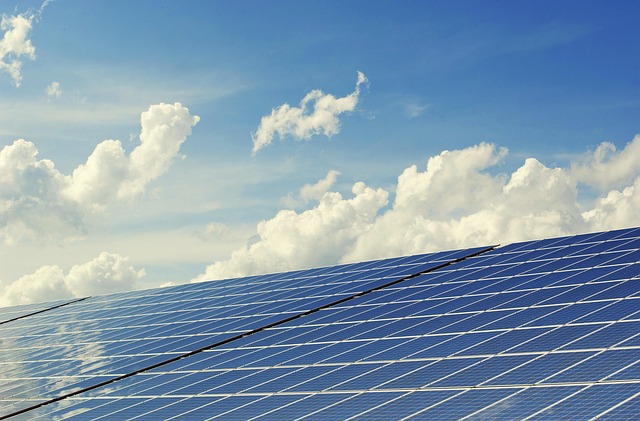
India’s decision to approve over 13 lakh rooftop solar systems under the Urban Local Authority (ULA) model signals a turning point in its renewable energy systems landscape. The initiative not only accelerates the transition toward decentralized clean energy but also strengthens national energy security. By combining policy innovation, financial support, and emerging technology, this program creates a scalable blueprint for sustainable power generation across urban and rural regions.
India’s Rooftop Solar Expansion: A Strategic Overview
India’s rooftop solar journey reflects an intersection of policy ambition and local governance reform. The ULA model is redefining how renewable energy systems are deployed at scale while ensuring equitable access across communities.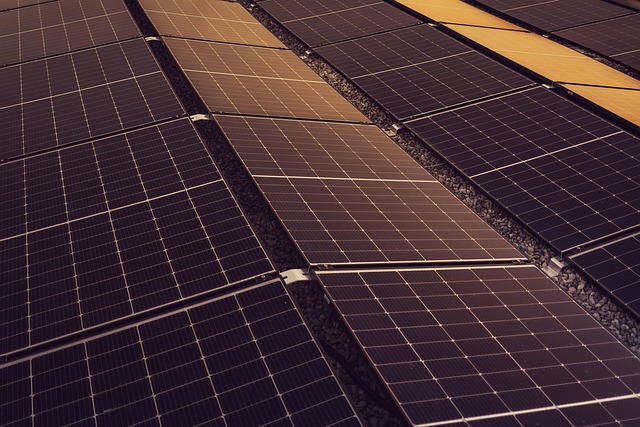
The Policy Framework Behind the 13 Lakh Rooftop Solar Initiative
India’s renewable energy targets are anchored in its National Solar Mission, which aims to achieve 280 GW of solar capacity by 2030 as part of a broader goal of 500 GW from non-fossil sources. The rooftop segment contributes directly to this target by promoting distributed generation that reduces transmission losses and enhances local reliability. The ULA model decentralizes implementation by empowering municipal bodies to coordinate installations, streamline approvals, and manage consumer engagement at the ward level. This localized governance structure ensures faster adoption and better accountability.
Government incentives include capital subsidies up to 40% for residential consumers and concessional loans through public sector banks. Financial mechanisms like viability gap funding and net metering policies further enhance project bankability, encouraging both individual homeowners and housing societies to participate actively.
Integration of Renewable Energy Systems in National Energy Planning
Rooftop solar forms an integral part of India’s renewable energy roadmap, complementing large-scale solar parks and wind projects. Coordination between central ministries such as MNRE (Ministry of New and Renewable Energy), state nodal agencies, and local authorities ensures alignment with grid codes and urban planning regulations. Distributed solar contributes to grid stability by generating power close to consumption points, reducing peak load stress, and enhancing resilience during outages. Moreover, it supports India’s long-term objective of achieving energy independence by lowering fossil fuel imports.
Technological Foundations of Rooftop Solar Systems
The success of India’s rooftop initiative depends heavily on technological robustness. Modern renewable energy systems integrate advanced hardware with digital intelligence to maximize efficiency and reliability.
Core Components of Modern Renewable Energy Systems
A typical rooftop system comprises photovoltaic modules that convert sunlight into electricity, inverters that transform DC power into AC suitable for household use, and optional battery storage units for backup supply. Continuous improvements in module efficiency—now exceeding 22% for monocrystalline panels—have reduced the land footprint per kilowatt installed. Smart meters enable two-way communication between consumers and utilities, allowing precise tracking of generation and consumption data.
Digital monitoring platforms now allow remote diagnostics, performance analytics, and predictive alerts that reduce downtime while extending equipment life cycles. These tools are particularly valuable for distributed assets managed under the ULA framework.
Innovations Enhancing System Performance and Reliability
Artificial intelligence (AI) and Internet of Things (IoT) technologies are increasingly embedded into solar management systems for predictive maintenance and real-time forecasting. Hybrid configurations combining solar with small-scale wind turbines or battery storage ensure continuous supply even during cloudy conditions or low sunlight hours. Emerging research on perovskite-based cells promises higher conversion efficiency with lower manufacturing costs, while bifacial panels capture reflected light from rooftops to boost total yield without additional space requirements.
Economic and Financial Dimensions of the Expansion
The economic viability of large-scale rooftop deployment rests on flexible investment models that attract both private capital and community participation.
Investment Models Supporting Large-Scale Rooftop Deployment
Public-private partnerships under the ULA model facilitate scalability by pooling resources from municipal bodies, developers, and financial institutions. Business models such as RESCO (Renewable Energy Service Company) allow third parties to install systems at no upfront cost to consumers while recovering investment through long-term power purchase agreements. CAPEX models suit commercial entities seeking asset ownership benefits, whereas leasing arrangements appeal to households preferring lower initial expenditure. International funding agencies have also extended concessional credit lines supporting India’s distributed solar expansion.
Economic Impacts on Urban and Rural Communities
The rollout generates employment across manufacturing, installation, operation, and maintenance sectors—estimated at nearly 24 job-years per MW installed capacity according to IRENA data. For urban consumers, reduced electricity bills free up disposable income; for rural households connected via decentralized microgrids, reliable power enhances productivity in agriculture and small enterprises. The democratization of energy access through rooftop systems fosters economic empowerment while reducing dependence on centralized utilities.
Grid Integration and Infrastructure Challenges
Integrating millions of small generators into existing grids presents technical complexities that require coordinated infrastructure upgrades.
Technical Considerations in Integrating Distributed Solar Systems
High penetration of rooftop systems can cause voltage fluctuations or reverse power flow within distribution networks. Utilities must upgrade transformers, feeders, and substations to handle bidirectional current safely. Advanced distribution management systems equipped with real-time sensors help operators maintain grid stability by dynamically balancing supply across regions.
Smart grid technologies play a crucial role here—automated controls enable smoother integration by predicting demand patterns based on weather data or consumption behavior trends.
Policy Measures to Address Infrastructure Constraints
Regulatory frameworks promoting net metering have been pivotal in incentivizing adoption while maintaining fairness between producers and utilities. Open access policies allow surplus generation from larger rooftops to be sold directly within local markets. Capacity-building programs train utility engineers in managing distributed assets effectively using digital tools. Standardization through BIS (Bureau of Indian Standards) ensures interoperability among components sourced from different manufacturers across states.
Environmental and Social Implications of Renewable Expansion
Beyond economics lies the broader environmental value—rooftop solar directly contributes to emission reduction goals while advancing social equity.
Contribution to Emission Reduction Goals
Each kilowatt-hour generated from rooftop installations offsets approximately one kilogram of CO₂ emissions compared with coal-based generation. With 13 lakh systems averaging 3 kW each, potential annual reductions exceed several million tonnes of CO₂ equivalent—aligning with India’s Nationally Determined Contributions under the Paris Agreement. Reduced reliance on fossil fuels also mitigates particulate pollution in urban centers improving public health outcomes over time.
Enhancing Energy Equity Through Decentralized Access
Decentralized renewable installations bridge urban-rural disparities by delivering clean electricity where grid extension is costly or delayed. Community-owned cooperative models encourage inclusive participation; local residents share both investment responsibility and revenue benefits from surplus sales back to utilities. Awareness campaigns led by municipal authorities further promote household-level adoption emphasizing long-term savings rather than short-term subsidies alone.
Future Outlook for India’s Renewable Energy Ecosystem
India’s rooftop solar trajectory indicates strong momentum but scaling beyond current targets will demand deeper integration across technology supply chains and policy domains.
Scaling Beyond 13 Lakh Installations: Opportunities Ahead
Future pathways include linking rooftop generation with electric vehicle charging infrastructure enabling holistic decarbonization within cities. Updated national targets envision over 50 GW cumulative capacity from rooftops alone by 2030 supported by domestic manufacturing incentives under “Make in India.” Strengthening domestic production reduces import dependency on photovoltaic modules while creating high-value jobs within electronics assembly sectors.
Building a Resilient Renewable Energy Infrastructure for the Next Decade
A resilient ecosystem requires coherence among ministries overseeing power, environment, housing, finance, and industry policies. Investments in R&D will drive breakthroughs in battery chemistry recycling processes enhancing sustainability throughout product lifecycles. A well-linked network connecting innovation clusters with financing institutions ensures steady growth grounded in transparency governance accountability—all essential traits for sustaining confidence among investors developers communities alike.
FAQ
Q1: What is the ULA model in India’s rooftop solar initiative?
A: The Urban Local Authority model delegates implementation responsibilities to municipal bodies enabling localized coordination financing outreach for rooftop projects.
Q2: How does rooftop solar contribute to grid stability?
A: Distributed generation reduces transmission losses balances local load improves voltage profiles during peak demand periods strengthening overall grid resilience.
Q3: What financial options exist for households adopting rooftop solar?
A: Consumers can choose between CAPEX ownership RESCO service contracts or leasing schemes depending on budget preferences repayment flexibility goals.
Q4: How much CO₂ can be avoided through this program?
A: Rough estimates suggest millions of tonnes annually offset given cumulative installed capacity surpassing several gigawatts once all approved systems operate fully.
Q5: What future trends could shape India’s renewable energy systems?
A: Integration with electric mobility digital automation domestic component manufacturing will define next-decade growth shaping self-reliant sustainable energy infrastructure nationwide.