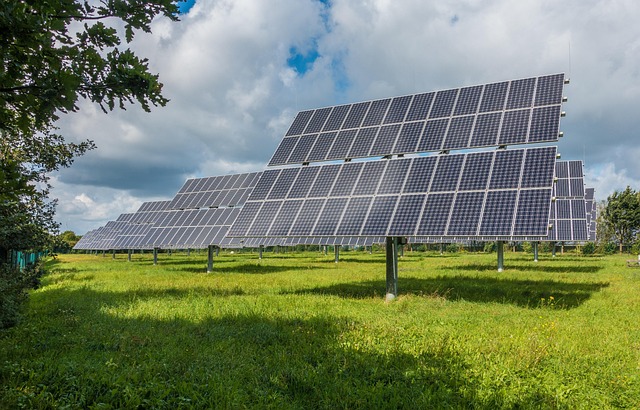

VRA Begins Solar Mini Grid Workshop for 20 Energy Professionals
The Volta River Authority (VRA) has launched a specialized workshop focused on solar mini grid systems for twenty energy professionals. The initiative aims to deepen technical expertise and operational efficiency in renewable energy systems, particularly within decentralized power networks. This training marks a strategic step toward Ghana’s broader renewable transition, aligning with global trends emphasizing sustainable, low-carbon energy solutions. By equipping participants with practical skills in design, management, and integration of solar mini grids, VRA is strengthening the foundation for resilient rural electrification and national energy diversification.
What Is the Objective of the Solar Mini Grid Workshop?
The workshop’s objective extends beyond simple training; it represents a structured capacity-building effort to support the expansion of renewable energy systems across underserved regions. The program reflects how utilities are adapting to evolving market and environmental demands while maintaining reliability and affordability.
Enhancing Technical Capacity
Participants are exposed to advanced topics such as system sizing, storage optimization, and hybridization with existing grid infrastructure. These areas are critical for ensuring that solar mini grids operate efficiently under varying load conditions. The International Renewable Energy Agency (IRENA) notes that capacity development in local institutions is vital for scaling decentralized power projects sustainably.
Promoting Rural Electrification
Solar mini grids have become central to rural electrification strategies across Africa. They provide stable power where grid extension remains economically unfeasible. According to the International Energy Agency (IEA), decentralized renewable systems can deliver electricity access up to 60% faster than conventional grid expansion in remote regions.
Supporting National Energy Policy
The VRA’s initiative aligns with Ghana’s Renewable Energy Master Plan, which targets over 1,000 MW of renewable capacity by 2030. Training programs like this workshop contribute directly to achieving policy milestones by developing human capital capable of implementing complex off-grid solutions.
How Do Solar Mini Grids Contribute to Renewable Energy Systems?
Solar mini grids play a pivotal role in advancing renewable energy systems by combining modularity with sustainability. Their integration into national frameworks enhances both energy access and system resilience.
System Design and Integration
Modern solar mini grids incorporate photovoltaic arrays, battery storage, and smart control units that balance supply and demand dynamically. When properly designed, these systems can operate autonomously or connect seamlessly with main grids during peak demand periods.
Economic Efficiency
Compared to large-scale centralized plants, mini grids require lower upfront investment per connection and shorter construction timelines. This cost efficiency makes them attractive for communities with limited financial resources yet growing energy needs.
Environmental Impact Reduction
By replacing diesel generators commonly used in isolated areas, solar mini grids significantly cut greenhouse gas emissions. The IEA reports that substituting diesel-based microgrids with solar hybrids can reduce CO₂ emissions by up to 70% annually per installation.
What Challenges Do Practitioners Face During Implementation?
Despite their promise, implementing solar mini grids involves technical, financial, and regulatory challenges that must be managed carefully through coordinated planning.
Financing Constraints
Securing funding remains one of the toughest barriers. Investors often view small-scale projects as high-risk due to uncertain revenue streams from rural customers. Innovative financing models such as pay-as-you-go schemes or blended finance mechanisms are helping mitigate these risks gradually.
Maintenance and Local Expertise
Sustaining operations requires skilled technicians capable of handling system diagnostics and repairs locally. Without ongoing technical support structures, many early installations fail within a few years due to poor maintenance practices or component degradation.
Regulatory Frameworks
Regulation often lags behind technological innovation. Inconsistent licensing procedures or unclear tariff structures can discourage private sector participation. Harmonizing standards under national energy authorities is essential for long-term viability.
How Does This Workshop Influence Future Renewable Projects?
The outcomes from this training could influence future project design philosophies across Ghana’s renewable landscape by embedding practical lessons into institutional workflows.
Building Collaborative Networks
Workshops like this foster collaboration between engineers, policymakers, and financiers who must align on common objectives for scaling up renewables effectively. Shared learning environments accelerate technology transfer and innovation adoption rates.
Standardizing Best Practices
By documenting methodologies developed during training sessions—such as load assessment techniques or inverter configuration protocols—VRA contributes to establishing national benchmarks for quality assurance in renewable deployments.
Expanding Knowledge Dissemination
Graduates from the program are expected to mentor junior engineers within their respective organizations, creating a multiplier effect across the sector. This peer-to-peer model ensures continuous skill diffusion beyond formal classroom settings.
What Are the Broader Implications for Ghana’s Energy Transition?
The workshop underscores Ghana’s commitment to diversifying its generation mix while addressing climate obligations under international frameworks such as the Paris Agreement.
Strengthening Energy Security
Diversified generation sources reduce dependency on hydropower during drought cycles or fossil imports during price volatility periods. Decentralized renewables enhance national resilience against external shocks affecting supply stability.
Stimulating Green Employment
As more communities adopt solar mini grids, demand grows for installers, electricians, data analysts, and project managers trained in clean technologies—creating new employment pathways within local economies.
Advancing Regional Leadership
Ghana’s proactive stance positions it as a regional model for integrated renewable deployment in West Africa. Neighboring countries can replicate similar training initiatives using VRA’s framework as a reference point for best practice implementation.
FAQ
Q1: What is the main goal of VRA’s solar mini grid workshop?
A: The main goal is to train professionals in designing and managing decentralized solar systems that enhance energy access while supporting Ghana’s renewable targets.
Q2: Who participates in the program?
A: Twenty selected engineers and energy experts from various institutions participate to gain hands-on experience with real-world applications of solar technology.
Q3: How do solar mini grids differ from traditional grid systems?
A: Unlike centralized grids that depend on large plants and long transmission lines, mini grids operate locally using modular renewable components like PV panels and batteries.
Q4: What economic benefits do these systems offer?
A: They lower generation costs over time by reducing fuel dependence and maintenance expenses compared with diesel-based alternatives common in remote areas.
Q5: How does this initiative support Ghana’s climate goals?
A: By expanding clean energy infrastructure through trained professionals, it contributes directly to emission reduction commitments under international climate agreements.