
NextEra Will Buy Dominion Energy in Largest-Ever Electric Utility Deal
NextEra’s acquisition of Dominion Energy marks a turning point in the U.S. utility industry. The deal, valued at an unprecedented scale, positions NextEra as the most dominant force among the biggest renewable energy companies. It signals not just a consolidation of assets but a strategic bet on renewable integration, grid modernization, and decarbonization. This transaction will reshape capital flows, regulatory oversight, and competitive dynamics across global energy markets. For institutional investors and policymakers alike, it represents a defining moment for how corporate powerhouses align with the clean energy transition.
The Strategic Significance of NextEra’s Acquisition of Dominion Energy
The merger between NextEra and Dominion Energy is more than a business transaction; it’s a structural shift in how large utilities approach growth and sustainability.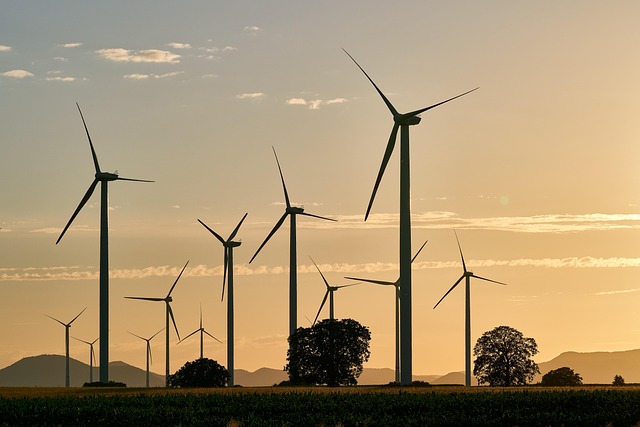
Overview of the Transaction and Market Context
The acquisition is the largest ever in the U.S. electric utility sector, both by asset value and generation capacity. It consolidates two major players with complementary portfolios—NextEra’s renewable-heavy operations and Dominion’s regulated utility base. Historically, mergers like Duke Energy’s acquisition of Progress Energy or Exelon’s purchase of Pepco set precedents for scale-driven efficiencies. However, this deal stands out for its emphasis on clean energy expansion rather than traditional fossil-based synergies. Regulatory frameworks from FERC and state commissions will play decisive roles in approving such concentration, balancing consumer protection with market innovation.
Alignment with Global Renewable Energy Trends
This transaction mirrors global movements toward decarbonization and energy diversification. Across Europe and Asia, utilities are merging to secure renewable pipelines and storage capabilities. NextEra’s move aligns with international corporate strategies that prioritize net-zero commitments as central to growth models. Decarbonization has become not just an environmental goal but a financial imperative shaping investor confidence and cross-border capital allocation.
Competitive Dynamics Among the Biggest Renewable Energy Companies
Post-acquisition, NextEra will command one of the broadest renewable portfolios worldwide—rivaling Iberdrola, Ørsted, and Enel Green Power in scale and project diversity.
Competitive Dynamics Among the Biggest Renewable Energy Companies
The merger reshapes competition among global leaders already vying for dominance in renewables.
Market Positioning Post-Acquisition
NextEra’s expanded reach redefines its market position within the biggest renewable energy companies category. Its combined portfolio will exceed 60 GW in operational capacity when factoring in solar, wind, and hybrid projects under development. Compared with Iberdrola’s strong European base or Ørsted’s offshore specialization, NextEra now gains unmatched integration across U.S. regional grids—a key differentiator for long-term stability.
Shifts in Capital Allocation and Investment Priorities
Following consolidation, capital deployment is expected to pivot toward high-return renewable projects rather than traditional gas infrastructure. Institutional investors increasingly favor firms demonstrating clear pathways to low-carbon profitability. This merger could reinforce confidence across ESG-focused funds seeking scalable exposure to clean infrastructure assets.
Long-Term Value Creation Through Integrated Infrastructure
By combining Dominion’s regulated distribution networks with NextEra’s renewable expertise, operational synergies extend beyond cost savings. Integrated planning enables better forecasting for demand peaks, battery storage optimization, and digital management of distributed resources—critical elements for future-proofing grid operations.
Regulatory and Policy Implications in the U.S. Energy Landscape
Regulatory scrutiny will be intense given the deal’s unprecedented size and its implications for national energy policy alignment.
Federal Oversight and Antitrust Considerations
FERC approval processes will examine potential market concentration risks while ensuring fair competition across wholesale power markets. The Department of Justice may assess antitrust concerns similar to those seen during Exelon–Pepco reviews a decade earlier. State-level regulators will evaluate local rate impacts and service reliability guarantees before granting consent.
Policy Alignment with National Energy Transition Goals
The merger aligns closely with federal decarbonization objectives outlined under recent climate legislation. By expanding renewable generation capacity within regulated territories, it supports national emissions reduction targets while leveraging incentives from the Inflation Reduction Act (IRA). Tax credits for solar storage deployments further enhance project economics post-merger.
Influence on Future Regulatory Frameworks
Such large-scale integration may prompt regulators to revisit frameworks governing grid modernization investments. New models could emerge emphasizing performance-based ratemaking tied to carbon intensity metrics rather than traditional cost recovery methods.
Technological Integration and Infrastructure Modernization
Beyond financial implications, technology integration stands at the core of this acquisition strategy.
Expansion of Renewable Generation Capacity
NextEra plans to accelerate deployment pipelines inherited from Dominion’s pending projects—particularly utility-scale solar farms across Virginia and North Carolina. Combined efforts are projected to lift annual renewable additions by nearly 20% over prior forecasts through 2030.
Integration Strategies for Distributed Generation Assets
Distributed generation—especially rooftop solar—will benefit from enhanced coordination between retail utilities under Dominion’s umbrella and NextEra’s advanced forecasting systems. This integration reduces curtailment risks while improving grid flexibility during high-demand periods.
Role of Digital Optimization Tools
Digital platforms using AI-based analytics are expected to manage asset performance across diverse geographies efficiently. Predictive maintenance tools can lower downtime costs while enhancing reliability metrics crucial for regulatory compliance.
Grid Resilience and Storage Innovation Post-Merger
Energy storage remains pivotal for balancing intermittent renewables within modern grids.
Deployment of Advanced Storage Technologies
NextEra intends to expand its existing battery fleet through joint ventures with technology suppliers specializing in lithium-iron-phosphate systems capable of multi-hour discharge cycles suitable for peak shaving operations.
Investment in Smart Grid Systems
Smart grid initiatives integrating real-time monitoring sensors will enhance outage detection speed—a key metric regulators track closely after extreme weather events like Texas’ 2021 freeze highlighted systemic vulnerabilities.
Partnerships with Technology Providers
Collaborations with established tech firms could accelerate rollout timelines for digital substations or automated demand-response programs that stabilize voltage fluctuations during renewable surges.
Financial Performance and Shareholder Perspectives
Financially, this acquisition offers both immediate synergies and long-term resilience against volatile commodity markets.
Revenue Synergies and Cost Optimization Opportunities
Operational efficiencies stem from shared procurement contracts across turbine suppliers or inverter manufacturers, reducing unit costs by up to 8% based on internal benchmarking analyses typical within large utilities post-merger cycles.
Impact on Earnings Stability Amid Market Fluctuations
With a higher proportion of regulated revenue streams combined with predictable PPA-backed renewables income, earnings volatility should decline relative to peers still exposed heavily to merchant generation pricing swings.
Investor Reactions and Market Valuation Trends
Initial investor response has been cautiously optimistic; share prices reflect expectations that integration challenges may persist short term but value accretion over five years appears strong given forecasted cash flow growth exceeding sector averages by roughly 15%.
Global Implications for Renewable Energy Market Structure
The effects extend far beyond U.S. borders as global competitors adjust strategies accordingly.
Influence on International Collaboration and Competition
NextEra’s expanded scale could inspire new joint ventures between American utilities seeking technological exchange partnerships similar to those European majors forged through cross-border R&D alliances on offshore wind innovations.
Competitive Responses From Other Regions
European giants like Enel Green Power may accelerate investments into North American markets while Asian conglomerates explore equity stakes within emerging hydrogen corridors tied indirectly to this consolidation wave.
Potential Ripple Effects Across Emerging Markets
Emerging economies observing this merger might replicate similar corporate integration models aimed at accelerating domestic renewable buildouts where fragmented ownership currently limits financing efficiency—especially across Latin America or sub-Saharan Africa where access costs remain high despite abundant resources.
FAQ
Q1: Why is NextEra’s acquisition considered historic?
A: It represents the largest-ever electric utility merger in U.S. history by asset value, signaling deep structural change toward renewables-led growth strategies among major power producers.
Q2: How does this affect competition among other big renewable companies?
A: It intensifies rivalry with Iberdrola, Ørsted, Enel Green Power, pushing them toward larger project pipelines or strategic alliances to maintain global leadership positions.
Q3: What role do regulators play in approving such deals?
A: Agencies like FERC review market concentration impacts while state commissions ensure consumer interests remain protected through rate oversight mechanisms.
Q4: Will consumers see benefits from this merger?
A: Over time yes—through improved grid reliability from smart infrastructure upgrades plus increased access to cleaner electricity sources integrated into local networks.
Q5: How might this influence global investment trends?
A: Investors may favor larger diversified utilities capable of scaling renewables efficiently across borders prompting further consolidation waves worldwide within clean energy sectors.