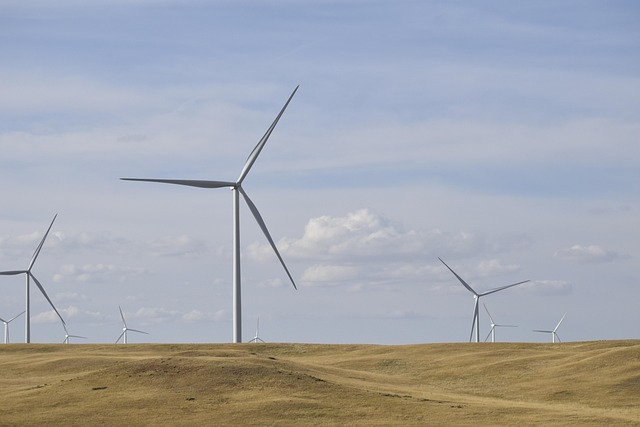

AES Clean Energy Projects: How the Utility Scale Business Works
AES Clean Energy operates at the intersection of renewable generation, large-scale infrastructure, and digital energy management. Its utility-scale business model combines solar, wind, and storage assets into integrated systems that supply reliable, low-carbon power to global markets. The company’s approach demonstrates how renewable portfolios can be financially viable while supporting decarbonization and grid modernization. In essence, AES Clean Energy’s projects show that scale and sustainability can coexist when technology, policy, and finance align.
AES Clean Energy’s Position in the Global Power Market
AES Clean Energy has built a presence across multiple continents through a mix of renewable generation and storage solutions. Its operations reflect both regional adaptation and a unified strategy for sustainable growth.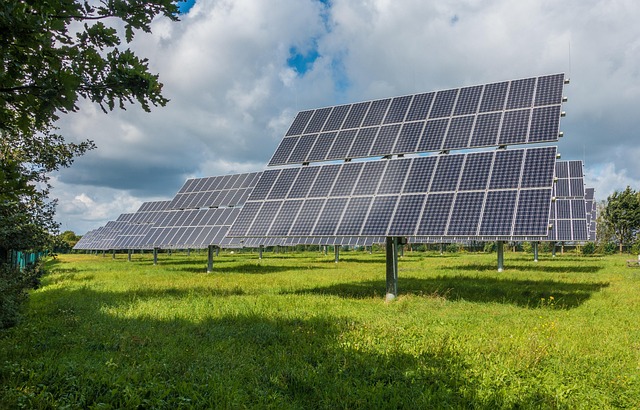
Overview of AES Clean Energy’s Utility-Scale Operations
AES Clean Energy’s core business lies in developing and operating utility-scale renewable energy assets that include solar farms, wind parks, and grid-scale batteries. These projects supply clean electricity to utilities, corporations, and communities under long-term contracts. The company’s portfolio spans North America, Latin America, Europe, and Asia, reflecting its capacity to navigate diverse market conditions. In the U.S., it operates large hybrid facilities that combine photovoltaic arrays with lithium-ion storage systems. In Chile and Colombia, wind projects contribute to national renewable targets. Across Asia, AES partners with local developers to deploy advanced battery systems that stabilize grids facing rapid demand growth.
Strategic Role in the Transition to Renewable Power Markets
AES Clean Energy contributes directly to global decarbonization by displacing fossil-based generation with zero-emission alternatives. Its collaboration with utilities helps modernize transmission networks through flexible interconnection strategies and digital control platforms. By structuring long-term power purchase agreements (PPAs), the company provides price stability for buyers while securing predictable returns for investors. These PPAs also shape market design by setting benchmarks for renewable pricing in deregulated environments.
The Structure and Economics of Utility-Scale Renewable Projects
Utility-scale renewables require substantial upfront capital but offer stable long-term yields when structured effectively. AES Clean Energy’s financial architecture exemplifies how risk-sharing mechanisms attract institutional investment.
Capital Investment and Financing Mechanisms
Projects are typically financed through a combination of debt, equity contributions from sponsors, and green bonds issued under recognized sustainability frameworks such as the Climate Bonds Standard or ICMA Green Bond Principles. Debt providers—often development banks or infrastructure funds—assume repayment priority while equity investors capture residual returns. Risk allocation is negotiated among developers, utilities purchasing the power, and financiers underwriting construction or performance guarantees. Institutional investors like pension funds have become major participants due to their appetite for stable cash flows aligned with environmental goals.
Revenue Models and Market Participation
AES Clean Energy balances merchant exposure with contracted revenue streams. Merchant projects sell electricity directly into wholesale markets at variable prices, offering upside potential but higher volatility. Contracted models rely on PPAs or capacity payments that fix revenues over 10–20 years. Market deregulation in regions such as Texas or Chile has increased opportunities for merchant participation but also demands sophisticated trading capabilities. AES mitigates this risk through portfolio diversification across geographies and technologies.
Technological Foundations Driving AES Clean Energy Projects
Technology defines both performance reliability and cost competitiveness in modern renewables. AES integrates advanced hardware with digital analytics to enhance asset efficiency throughout project lifecycles.
Integration of Advanced Solar and Wind Technologies
The company deploys high-efficiency photovoltaic modules using bifacial designs that capture reflected light from surrounding surfaces. Onshore wind projects employ taller towers and longer blades optimized for low-wind-speed sites. Site selection relies on data analytics combining meteorological modeling with terrain mapping to predict yield variability over decades. Partnerships with leading equipment manufacturers enable continuous upgrades as technology evolves.
The Role of Battery Storage in Grid Stability
AES pioneered grid-scale battery applications more than a decade ago, positioning itself as an early mover in energy storage commercialization. Its batteries provide frequency regulation services by responding within milliseconds to grid imbalances—a critical function as intermittent renewables increase penetration levels. Storage also supports peak shaving by shifting excess daytime solar output into evening demand periods. Economically, these services create new revenue channels beyond traditional energy sales while reducing curtailment losses.
Market Influence Through Digitalization and Data Analytics
Digital transformation has become central to operational excellence in large renewable fleets. AES uses data-driven tools not only for maintenance but also for real-time market participation.
Digital Platforms for Asset Management and Optimization
AI-based monitoring systems track turbine vibration patterns or inverter temperatures to predict failures before they occur, minimizing downtime costs. Real-time dashboards aggregate performance metrics across multi-gigawatt portfolios spanning several countries. Integration with trading platforms allows automated responses to price signals—dispatching stored energy during high-value intervals or curtailing output during congestion events.
Data as a Competitive Advantage in Market Forecasting
Big data models process weather forecasts, consumption trends, and pricing histories to improve dispatch decisions hours or days ahead of time. Machine learning algorithms refine these models continuously based on observed outcomes, creating feedback loops that enhance accuracy over time. This analytical edge supports better hedging strategies in volatile power markets where small forecasting errors can translate into significant revenue swings.
Policy Alignment and Regulatory Engagement Across Regions
Operating globally requires navigating complex regulatory landscapes where incentives and compliance obligations vary widely.
Navigating Diverse Regulatory Frameworks Globally
In the United States, federal tax credits such as the Investment Tax Credit (ITC) support solar deployment by offsetting capital costs up to 30 percent of eligible expenses under current legislation reviewed by the U.S. Department of Energy (DOE). Chile operates competitive capacity auctions that secure long-term contracts for lowest-cost generators under its Ministry of Energy framework. India’s regulatory environment emphasizes renewable purchase obligations (RPOs) requiring state utilities to source specific percentages from renewables each year under Central Electricity Regulatory Commission (CERC) guidelines. AES engages directly with regulators through industry associations to advocate for transparent market rules promoting clean investment.
Incentives and Market Signals Driving Investment Decisions
Tax credits remain central drivers of financial viability alongside feed-in tariffs still active in parts of Europe or Asia-Pacific markets transitioning toward auction schemes. Capacity auctions provide predictable price discovery mechanisms aligning investor expectations with policy targets. AES structures its investment pipeline around jurisdictions offering consistent regulatory signals rather than short-term subsidies alone—a strategy that protects against abrupt policy reversals seen historically in some emerging markets.
Long-Term Market Impacts and Future Outlook for AES Clean Energy
The next phase of growth will merge technological convergence with evolving consumer expectations around reliability and sustainability.
Evolution Toward Integrated Energy Systems
Future projects increasingly combine generation with storage under unified control architectures capable of real-time optimization across assets—a concept known as hybridization. Solar-plus-storage plants already demonstrate how dispatchable renewable power can replace conventional peaking units while maintaining grid stability standards defined by IEEE 1547 interconnection protocols. Research into hydrogen electrolysis powered by renewables may extend this integration further into industrial decarbonization pathways.
Global Trends Shaping the Next Phase of Utility Markets
Interconnection between regional grids is expanding through cross-border transmission corridors promoted by organizations such as IRENA’s Global Interconnection Initiative (GII). Corporate PPAs continue growing as multinational companies seek carbon-neutral supply chains; BloombergNEF reports record volumes exceeding 30 GW signed globally in recent years—a trend benefiting developers like AES Clean Energy with scalable portfolios ready for direct corporate contracting. At the same time, distributed generation models are gaining traction even within utility-scale contexts through modular microgrids linked via digital coordination platforms.
FAQ
Q1: What distinguishes AES Clean Energy from other renewable developers?
A: It combines large-scale generation assets with advanced digital management systems that allow flexible participation across multiple energy markets simultaneously.
Q2: How does battery storage improve project economics?
A: Storage enables additional revenue streams from grid services like frequency response while reducing curtailment losses during oversupply periods.
Q3: Why are PPAs important in utility-scale renewables?
A: They lock in long-term revenue certainty for developers while offering predictable pricing for buyers seeking carbon-free electricity.
Q4: What role do government incentives play?
A: Incentives such as tax credits or capacity auctions lower financing costs and accelerate deployment until market parity is achieved through technology cost declines.
Q5: How might future technologies shape AES Clean Energy’s direction?
A: Emerging fields like hydrogen production, AI-driven dispatch optimization, and integrated hybrid plants will likely define its next wave of expansion globally.