
Small Wind Turbines Offer Minnesota Farmers Path to Energy Independence
Residential wind turbines are becoming a practical energy solution for Minnesota’s farming communities. The state’s open landscapes, strong wind corridors, and supportive policy framework make small wind systems a viable complement to agricultural operations. For farms with moderate energy use, these systems can offset grid consumption, stabilize costs, and contribute to long-term sustainability goals. When properly sized and sited, they provide consistent output across seasons and align well with the region’s renewable energy ambitions.
The Potential of Residential Wind Turbines in Minnesota’s Agricultural Landscape
Minnesota’s geography gives it a natural advantage for distributed wind generation. However, the effectiveness of residential-scale turbines depends heavily on local wind resources and the farm’s operational profile.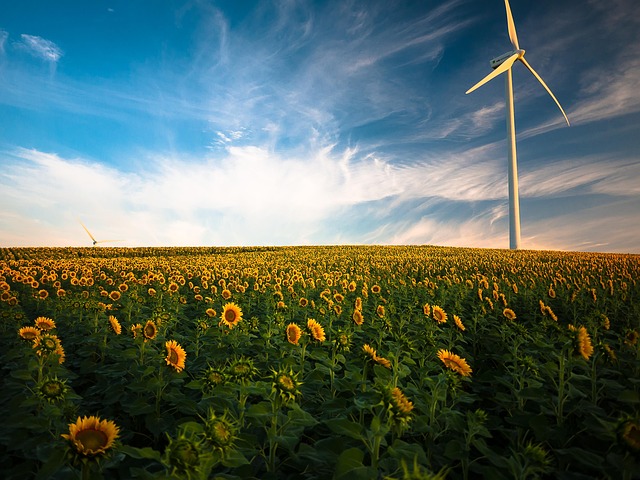
Assessing the Wind Resource Across Minnesota’s Farmlands
Southern and western Minnesota experience average wind speeds above 7 meters per second at 50 meters height, making them ideal for small turbine deployment. The flat topography and open cropland reduce turbulence, allowing turbines to capture steadier airflow. Seasonal variations show higher speeds in spring and winter, which conveniently coincide with peak heating demands on farms. In contrast, summer winds are milder but remain sufficient for continuous generation.
Evaluating the Suitability of Residential-Scale Turbines for Farms
Residential wind turbines typically range from 5 to 100 kilowatts in rated capacity. A dairy farm using around 60,000 kilowatt-hours annually might require a 20–30 kW system to cover most of its load. Matching turbine output with demand profiles ensures efficient self-consumption and minimizes curtailment losses. Integration with existing electrical systems is straightforward when grid-tied through cooperative utilities that support distributed generation.
Economic Viability and Financial Considerations for Farmers
While enthusiasm for on-site renewables is rising, financial feasibility remains central to adoption decisions among farmers evaluating small wind investments.
Initial Investment and Installation Costs
The total cost of installing a residential wind turbine includes the turbine unit, tower foundation, wiring, inverter systems, and grid interconnection equipment. A typical 10 kW system can cost between $40,000 and $70,000 depending on tower height and site conditions. Taller towers capture stronger winds but increase installation expenses due to deeper foundations and crane requirements. Compared with solar PV systems of similar capacity, small wind installations tend to have higher upfront costs but potentially greater long-term yield in windy regions.
Long-Term Financial Returns and Payback Periods
Under Minnesota’s electricity rates—averaging about $0.13 per kilowatt-hour—payback periods for well-sited turbines range from 10 to 15 years. Net metering policies allow farmers to receive credits for surplus power exported to the grid, improving overall return on investment. Maintenance costs are modest once proper siting minimizes mechanical stress; modern units operate reliably for 20 years or more with periodic inspections and component replacements every decade or so.
Policy Incentives and Regulatory Framework Supporting Wind Energy Adoption
Public policy plays a decisive role in shaping adoption rates by lowering financial barriers and clarifying regulatory procedures for rural landowners.
State-Level Incentives and Federal Programs
Minnesota’s Renewable Energy Standard (RES) targets significant shares of electricity from renewable sources by mid-century. Farmers can access USDA Rural Energy for America Program (REAP) grants covering up to 25% of project costs along with federal Investment Tax Credits that offset installation expenses. Cooperative utilities often offer rebates or simplified interconnection procedures for distributed projects under their jurisdiction.
Permitting, Zoning, and Compliance Requirements
Local zoning ordinances govern tower height limits—often capped at around 120 feet—and specify setback distances from property lines or dwellings to reduce noise impacts. Environmental reviews are generally streamlined for small-scale installations since land disturbance is minimal. Coordination with county planning departments ensures compliance while maintaining compatibility with agricultural operations.
Technical Integration and System Optimization Strategies
Beyond financial factors, technical design determines how effectively small turbines perform within diversified farm energy systems.
Hybrid Energy Systems Combining Wind with Other Renewables
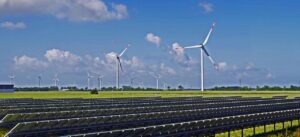
Combining residential wind turbines with solar arrays creates complementary generation cycles: solar dominates summer days while wind peaks during colder months or nighttime hours. Adding battery storage smooths fluctuations and supports critical loads during outages. Smart controllers can prioritize self-use before exporting excess power back to the grid.
Advances in Small Wind Turbine Technology
Recent innovations include advanced blade aerodynamics that improve performance in low-wind environments typical of inland Midwest sites. Variable pitch control systems now reduce mechanical fatigue during gusty conditions common across prairie regions. Remote monitoring platforms allow operators to track output trends, schedule maintenance proactively, and extend equipment lifespan through data-driven insights.
Environmental and Operational Impacts on Farm Sustainability Goals
Wind power aligns naturally with agriculture’s increasing focus on environmental stewardship without compromising productivity or land utility.
Reducing Carbon Footprint Through On-Site Generation
Each kilowatt-hour generated by a residential turbine displaces fossil-fueled electricity from the regional grid, cutting greenhouse gas emissions by roughly one pound of CO₂ equivalent. Over two decades of operation, even a modest system can offset hundreds of tons of emissions while contributing directly to state-level agricultural sustainability objectives.
Land Use Efficiency and Compatibility with Agricultural Operations
Small turbines occupy less than half an acre including access paths—negligible compared with typical field sizes—so they coexist easily with crops or grazing livestock. Farmers often place towers near existing service roads or irrigation pivots where infrastructure already exists, minimizing disruption during construction or operation.
The Future Outlook for Farmer-Led Energy Independence in Minnesota
As technology prices fall and policy incentives mature, distributed wind generation is poised to become a cornerstone of rural energy strategy across Minnesota’s farmlands.
Emerging Trends in Distributed Wind Markets
Adoption rates are climbing across the rural Midwest as farmers seek autonomy from volatile electricity prices. Community-owned cooperatives are exploring shared ownership models that distribute both cost and benefit among multiple participants while strengthening local economies through retained energy spending.
Strategic Pathways Toward Greater Energy Self-Sufficiency
Forward-looking farm businesses now include renewable generation assets within their long-term capital plans alongside machinery upgrades or land improvements. Data analytics tools help forecast seasonal production patterns based on historical weather data, guiding investment timing and optimizing asset utilization across changing market conditions.
FAQ
Q1: What is the ideal size of a residential wind turbine for an average Minnesota farm?
A: Most medium-sized farms find 10–30 kW systems adequate depending on annual consumption levels and available site area.
Q2: How long does it take to recover installation costs?
A: Payback typically occurs within 10–15 years under current electricity rates when sited correctly in high-wind zones.
Q3: Are small wind turbines noisy?
A: Modern designs produce less than 55 decibels at base distance—comparable to normal conversation levels—and meet local noise standards easily.
Q4: Can turbines operate during winter storms?
A: Yes. Cold-weather models feature heated blades or low-temperature lubricants allowing reliable operation even during freezing conditions common in Minnesota winters.
Q5: Do farmers need special permits?
A: Most counties require standard building permits plus zoning clearance verifying tower height compliance; environmental assessments are rarely needed for single-turbine projects.