
Is Nissan’s Electric Car the Choice of Future Drivers?
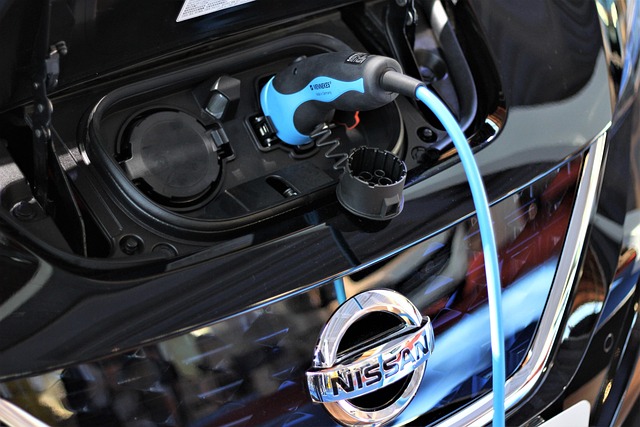
Nissan’s electric car portfolio stands as one of the most mature and strategically positioned in the global EV market. The company’s focus on sustainable innovation, battery technology, and intelligent mobility systems places it among the leaders shaping the next era of zero-emission transportation. For future drivers seeking a balance between performance, reliability, and environmental responsibility, Nissan’s electric lineup offers a compelling answer to both regulatory demands and consumer expectations.
Nissan’s Vision for the Future of Electric Mobility
Nissan’s electrification journey reflects a deep commitment to redefining mobility through sustainability and technology. The company has consistently aligned its strategy with international climate goals and national energy policies, aiming to create an ecosystem where electric vehicles are not just cars but integral components of connected urban life.
The Strategic Direction of Nissan’s Electrification Journey
Nissan has set a long-term vision to achieve carbon neutrality across its operations and product lifecycle by 2050. This goal aligns with global frameworks such as the Paris Agreement and regional emission reduction mandates. The automaker’s “Ambition 2030” plan emphasizes expanding its EV lineup while integrating renewable energy into production facilities. By embedding EVs into a broader mobility ecosystem that includes smart grids and shared services, Nissan is positioning itself as more than just a manufacturer—it is becoming an enabler of sustainable transport networks.
Evolution of Nissan’s Electric Vehicle Portfolio
The story began with the Nissan LEAF in 2010, one of the first mass-market electric vehicles that demonstrated practicality in everyday driving. Over time, technological milestones such as improved lithium-ion batteries, regenerative braking systems, and advanced driver-assist features have defined Nissan’s EV identity. The company has since expanded into new categories like crossovers (Ariya), sedans, and commercial vans, catering to diverse consumer needs while maintaining affordability as a core value.
Key Technological Milestones That Shaped Nissan’s EV Identity
From early research into battery chemistry to developing proprietary motor control systems, Nissan has built a strong engineering foundation. Innovations like e-Pedal technology simplified driving by allowing acceleration and deceleration through a single pedal. Such developments helped bridge consumer comfort with environmental responsibility, making electric mobility accessible beyond niche markets.
Technological Innovations Driving Nissan Electric Cars
Technology remains central to Nissan’s approach to electrification. Each generation of its EVs integrates improvements not only in performance but also in sustainability metrics—battery efficiency, recyclability, and software adaptability all play crucial roles in their evolution.
Advancements in Battery Technology
Nissan is advancing solid-state battery development aimed at doubling energy density compared with conventional lithium-ion units. These batteries promise faster charging times—potentially reducing full charge durations to under 15 minutes—and longer lifespans exceeding 1,000 cycles without major degradation. Furthermore, the company invests in closed-loop recycling systems that recover valuable materials like nickel and cobalt for reuse, addressing supply chain concerns while minimizing waste.
Intelligent Powertrain and Energy Management Systems
The brand’s e-Power system combines an electric motor with a small gasoline generator that charges the battery on the go. This hybridized configuration provides smooth acceleration typical of full EVs but extends range flexibility for markets still developing charging infrastructure. Vehicle-to-grid (V2G) technology allows power bidirectionality: cars can feed electricity back into homes or grids during peak demand periods. Artificial intelligence further refines energy distribution by analyzing driving patterns to maximize efficiency per trip.
Design Philosophy and User Experience in Nissan EVs
Beyond engineering excellence lies human experience—the way drivers interact with technology defines brand loyalty in this segment. Nissan approaches design from an ergonomic perspective while embedding digital intelligence seamlessly into every interface.
Human-Centered Design Approach
Cabin layouts prioritize comfort through intuitive placement of controls and spacious interiors enabled by compact powertrains. Sustainable materials such as bio-based fabrics and recycled plastics reduce environmental impact without compromising luxury feel. Every element—from seat contouring to noise insulation—reflects research into driver comfort during long commutes or urban congestion.
Connected Mobility Ecosystem
Modern nissan electric car models integrate cloud-based telematics capable of monitoring performance metrics in real time. Predictive maintenance alerts drivers before issues arise, reducing downtime significantly. Over-the-air updates continuously refine software parameters including navigation algorithms or battery management logic—ensuring vehicles improve long after purchase.
Sustainability as a Core Value in Nissan’s Electric Transition
Sustainability is embedded across production stages—from raw material sourcing to end-of-life recycling—making it more than just an environmental statement; it is operational philosophy.
Environmental Impact Reduction Across the Value Chain
Nissan employs renewable electricity at several manufacturing plants globally while optimizing logistics routes to cut CO₂ emissions from transport fleets. Production methods emphasize water conservation through closed-loop processes that recycle industrial wastewater multiple times before discharge.
Social Responsibility and Global Partnerships
Collaboration drives scale: partnerships with governments support public charging networks expansion across Europe and Asia-Pacific regions. Community programs educate consumers about EV benefits through local outreach events, while workforce reskilling ensures employees adapt smoothly to electrified production lines—a crucial factor amid industry transformation.
Market Positioning and Competitive Landscape Analysis
The global EV market grows increasingly crowded; yet Nissan retains distinct advantages derived from early entry experience and cost discipline honed over decades of mass production expertise.
Nissan’s Role Among Global EV Manufacturers
Compared with peers focusing on luxury segments or high-performance niches, Nissan positions itself as an accessible innovator delivering reliability at attainable price points. Its share remains strong across Japan and parts of Europe where government incentives favor established manufacturers offering proven safety records.
Challenges and Opportunities in Scaling Electric Mobility
Supply chain volatility for critical minerals poses short-term risks; however, diversification efforts toward alternative chemistries like sodium-ion batteries could offset dependency on scarce resources. Expanding fast-charging infrastructure remains another priority—collaborations with energy providers aim to deploy thousands more stations within five years globally.
The Road Ahead: Defining the Next Era of Sustainable Mobility with Nissan EVs
Looking forward, Nissan envisions mobility ecosystems where vehicles communicate autonomously within smart cities powered entirely by renewable grids—a scenario both technologically feasible and economically viable within two decades if current trends persist.
Future Product Roadmap and Innovation Pipeline
Upcoming models will feature next-generation solid-state batteries alongside autonomous driving suites capable of Level 3 automation under specific conditions. Sustainability metrics will influence every stage—from supplier selection through packaging—to quantify carbon savings transparently per unit produced.
Long-Term Implications for the Automotive Industry
As ownership patterns shift toward subscription-based models or shared fleets integrated with public transit systems, automakers must evolve beyond traditional sales structures. Policymakers increasingly view companies like Nissan as strategic partners shaping low-emission mobility policy frameworks worldwide—an acknowledgment earned through consistent technological leadership rather than marketing claims alone.
FAQ
Q1: What makes a nissan electric car different from competitors?
A: It combines affordability with advanced technologies such as e-Power hybrid systems and V2G connectivity that few mainstream brands offer at similar price levels.
Q2: How does Nissan plan to achieve carbon neutrality?
A: By integrating renewable energy sources into manufacturing processes and adopting circular economy principles for material reuse across its supply chain.
Q3: Are solid-state batteries already available in current models?
A: Not yet; they remain under development but are expected within this decade as part of future flagship releases.
Q4: Does owning a nissan electric car reduce total cost over time?
A: Yes, lower maintenance needs due to fewer moving parts plus reduced fuel expenses contribute significantly to lifetime cost savings compared with combustion vehicles.
Q5: How committed is Nissan to expanding charging networks?
A: The company partners with public utilities worldwide to accelerate installation rates ensuring convenient access for both urban commuters and long-distance travelers alike.