
New MG4 EV Urban Joins Updated MG4 Line-Up
The refreshed MG4 line-up marks a decisive step in MG Motor’s electric evolution. The introduction of the new MG4 EV Urban variant strengthens the brand’s foothold in the compact EV segment by combining affordability, refined engineering, and daily usability. This update is not a mere cosmetic revision but a strategic recalibration to meet growing urban mobility demands with efficiency and smart design at its core.
The Updated MG4 Line-Up: A New Chapter in Electric Mobility
MG’s latest model restructuring signals a more focused approach to electric vehicle segmentation. The company aims to balance performance with cost efficiency while enhancing design and driving quality across the range.
Overview of the Refreshed MG4 Range
The new MG4 line-up introduces a more defined hierarchy of variants, each tuned for specific user needs. Updates target aerodynamic refinement, improved energy use, and smoother handling characteristics. Within the compact EV market, this positions the MG4 as a strong contender offering both value and engaging dynamics. The design language now leans toward functional minimalism rather than visual excess, reflecting current consumer priorities.
Strategic Role of the MG4 EV Urban in the Line-Up
The Urban variant acts as an entry point into MG’s electric portfolio. It addresses rising demand for affordable EVs that do not compromise on practicality or technology. Its simplified configuration reduces production complexity while maintaining essential features like regenerative braking and advanced driver aids. This model serves as an accessible bridge for first-time EV adopters seeking efficiency without luxury pricing.
Design and Engineering Enhancements in the MG4 EV Urban
Design improvements on the new Urban variant are subtle yet impactful. Each change reflects lessons learned from user feedback and data-driven aerodynamic testing.
Exterior and Aerodynamic Refinements
The exterior adopts smoother body contours that reduce drag at higher speeds, directly improving energy retention per mile. Lightweight alloys and revised underbody panels contribute to better airflow management. Even small details—like reshaped mirror housings—have measurable effects on range performance during city commutes.
Interior Layout and Functional Ergonomics
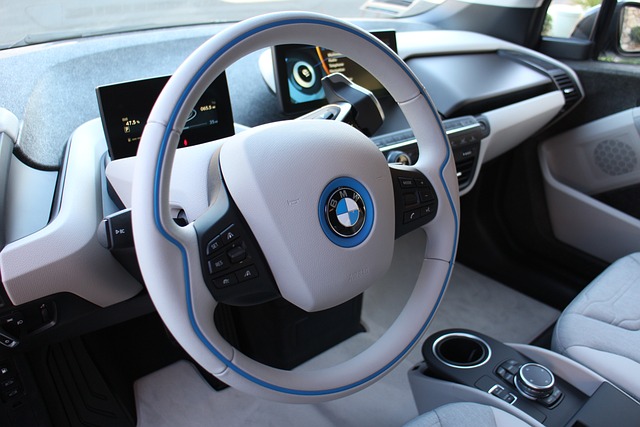
Inside, the focus shifts toward simplicity and sustainability. The dashboard layout favors intuitive operation with fewer physical controls but enhanced tactile quality where it matters most. Sustainable materials such as recycled polymers feature prominently, aligning with industry trends toward circular manufacturing practices. The infotainment interface now delivers faster response times and clearer energy consumption data.
Powertrain Efficiency and Performance Optimization
Beneath its refined design lies a re-engineered powertrain calibrated for everyday usability rather than peak output figures.
Electric Motor Configuration and Output Characteristics
Motor tuning prioritizes smoother torque delivery in low-speed conditions typical of urban driving. Revised software mapping improves power efficiency under partial load scenarios, translating into more predictable acceleration curves. Regenerative braking has been fine-tuned to capture kinetic energy more consistently during stop-and-go traffic.
Battery Technology and Range Improvements
The updated battery pack uses higher-density cells that extend usable range without increasing mass. Enhanced liquid cooling stabilizes temperature fluctuations, preserving performance even in heavy traffic or high ambient temperatures. Faster charging capability via improved onboard architecture means less downtime for commuters relying on public infrastructure.
Efficiency Metrics: How the MG4 EV Urban Redefines Daily Usability
Efficiency has become a defining metric for modern EVs, influencing both cost-of-ownership calculations and environmental credentials.
Comparative Analysis Within the MG4 Portfolio
Among its siblings, the Urban trim records superior energy consumption rates thanks to reduced weight and optimized motor calibration. Standardized WLTP tests show incremental range gains over previous base models, while real-world trials confirm consistent results across varied city routes.
Cost-to-Efficiency Ratio for Professional Users
For fleet operators or business users, running costs remain central to purchase decisions. Lower servicing requirements combined with predictable battery degradation patterns make long-term planning easier. Over extended mileage cycles, these factors translate into tangible savings compared to internal combustion alternatives or premium EV competitors.
Technological Integration Supporting Efficiency Gains
Software plays an increasingly critical role in extracting maximum performance from hardware systems within electric vehicles.
Software Optimization and Energy Management Systems
MG’s latest control architecture employs adaptive logic that adjusts torque distribution based on driving behavior patterns. Predictive algorithms continuously refine charging cycles to minimize cell stress over time. Regular over-the-air updates keep system calibration current without workshop visits—a feature once exclusive to higher-end brands.
Connectivity Features Enhancing Driver Awareness and Control
Integrated navigation now accounts for live charging network data when plotting routes, reducing range anxiety during longer trips. Real-time feedback on driving efficiency encourages users to adopt energy-conscious habits naturally rather than through enforced restrictions. Historical analytics also allow drivers to monitor vehicle health trends over months of use.
Market Implications of the Updated MG4 Range with the Urban Variant
This update arrives at a pivotal moment when competition intensifies across Europe’s compact EV landscape.
Positioning Within the Competitive EV Landscape
By refining its product mix around affordability and real-world utility, MG challenges established European players who dominate mid-range electric segments. Pricing remains competitive enough to attract both private buyers and corporate fleets seeking dependable low-emission transport solutions supported by government incentives favoring efficient models.
Future Outlook for MG’s Electrification Strategy
The Urban variant may serve as a development blueprint for future small-format electric vehicles under SAIC Group’s global strategy umbrella. Continued investment in advanced battery chemistry could further extend lifecycle sustainability metrics across upcoming models. As artificial intelligence becomes integral to energy management systems, future iterations may achieve even tighter integration between predictive maintenance and user experience personalization.
FAQ
Q1: What makes the new MG4 EV Urban different from previous base versions?
A: It introduces revised motor tuning, improved aerodynamics, lighter materials, and simplified equipment levels focused on maximizing efficiency at lower cost.
Q2: How far can the MG4 EV Urban travel on one charge?
A: Official figures vary by testing cycle but expect modest improvements over earlier entry trims due to higher battery energy density and reduced drag coefficients.
Q3: Does it support fast charging?
A: Yes, its upgraded electrical architecture supports faster DC charging compatible with most public networks across Europe.
Q4: Who is the target audience for this model?
A: It primarily targets urban professionals, first-time EV buyers, and fleet operators prioritizing low running costs over luxury features.
Q5: Will other markets outside Europe receive this variant?
A: While initial rollout focuses on European markets, expansion plans depend on regional demand patterns and infrastructure readiness assessments by MG Motor UK’s parent group SAIC.