
Best Electric Vehicles of 2026
The best electric vehicles of 2026 will represent a turning point in the automotive industry, where advanced battery technologies, intelligent software systems, and global policy alignment converge to redefine mobility. By 2026, EVs are no longer niche products; they dominate new vehicle sales in major markets. Automakers that integrate solid-state batteries, AI-driven energy management, and renewable-powered infrastructure will lead this transformation. The year marks not only a technological milestone but also a societal shift toward sustainable transportation as electric vehicles become the standard rather than the exception.
The Evolution of Electric Vehicles Toward 2026
The evolution of electric vehicles (EVs) toward 2026 reflects a broader industrial realignment. What began as an experiment in clean mobility has matured into a central pillar of global transport strategy. This section explores how adoption dynamics, technological breakthroughs, and public perception have shaped this transition.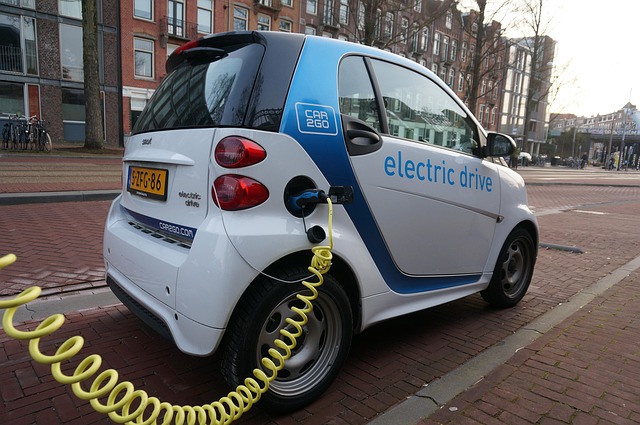
Shifting from Early Adoption to Mass Market Integration
Electric vehicle adoption has accelerated due to falling battery costs and expanded charging networks. Governments now coordinate with private firms to scale production and infrastructure. In markets like Europe and China, incentives have transitioned from pilot subsidies to structural policy frameworks that encourage full electrification. Consumers increasingly view EVs not as luxury innovations but as practical solutions for sustainable mobility.
Technological Milestones Driving the Transition
Advances in battery chemistry—especially solid-state and silicon-anode cells—are redefining performance benchmarks. Energy density improvements allow ranges exceeding 600 kilometers on a single charge while reducing charging times to under 15 minutes at ultra-fast stations. Artificial intelligence manages thermal loads and predictive maintenance, making EVs more reliable for both individual drivers and fleet operators.
Core Technologies Defining Electric Mobility in 2026
By 2026, the core technologies underpinning electric mobility have matured enough to support mass deployment. Innovations in batteries, power electronics, and software architectures are driving efficiency gains across vehicle categories.
Battery Innovation and Energy Storage Systems
Solid-state batteries dominate R&D pipelines due to their higher safety margins and faster charge cycles compared with lithium-ion predecessors. Recycling initiatives recover lithium, nickel, and cobalt from end-of-life packs, reducing dependency on raw extraction. Predictive analytics embedded within battery management systems extend operational lifespan by monitoring degradation patterns in real time.
Power Electronics and Drivetrain Efficiency
Silicon carbide (SiC) inverters deliver superior energy conversion efficiency over traditional silicon units, reducing heat losses during acceleration. Modular motor designs enable manufacturers to adapt platforms across sedans, SUVs, and light trucks without redesigning entire drivetrains. Regenerative braking algorithms now dynamically adjust torque distribution based on road conditions for smoother energy recovery.
Software-Centric Vehicle Architectures
Software defines vehicle identity in 2026 more than mechanical design does. Over-the-air updates continuously refine driving dynamics and add new features post-purchase. Centralized computing platforms replace dozens of electronic control units with a unified architecture that simplifies wiring and reduces weight. Cybersecurity standards aligned with ISO/SAE 21434 safeguard connected systems against data breaches.
Infrastructure Expansion Supporting EV Growth
Infrastructure remains the backbone of EV adoption. As fleets expand globally, charging networks must evolve from convenience offerings into critical energy assets integrated with national grids.
Charging Ecosystem Development
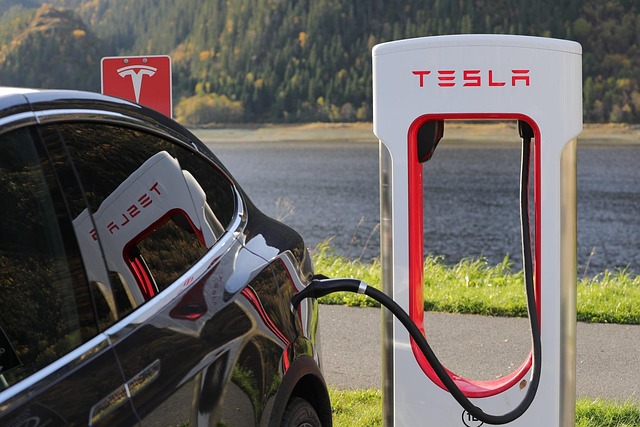
Ultra-fast charging corridors now connect major highways across continents, cutting downtime for long-distance travel to minutes rather than hours. Wireless induction pads appear in urban parking zones for fleet vehicles that operate continuously throughout the day. Grid-responsive stations balance local demand peaks through dynamic load management algorithms.
Renewable Energy Integration into EV Infrastructure
Charging hubs increasingly pair with solar canopies or wind micro-turbines to create zero-emission energy loops. Vehicle-to-grid (V2G) systems allow cars to discharge stored electricity back into local networks during peak demand hours, supporting grid stability. Decentralized microgrids powered by renewables enhance resilience against outages in dense urban centers.
Economic and Policy Dynamics Shaping the EV Market in 2026
Economic incentives and regulatory frameworks remain decisive forces behind market growth. By aligning fiscal tools with environmental goals, governments accelerate industry transformation while attracting private investment.
Government Incentives and Regulatory Frameworks
Stricter emission regulations under frameworks similar to EU Euro 7 standards are hastening internal combustion engine phase-outs worldwide. Tax credits for consumers combined with import duty exemptions promote affordability across income segments. Harmonization of charging standards under IEC protocols simplifies cross-border travel for electric vehicles.
Investment Trends in the EV Industry Ecosystem
Venture capital continues flowing into battery startups developing next-generation chemistries such as sodium-ion or lithium-sulfur variants. Automakers form alliances with software firms specializing in autonomous driving stacks or cloud-based diagnostics platforms. Localization efforts reduce geopolitical exposure tied to critical minerals like lithium sourced from limited regions.
The Role of Artificial Intelligence in Next-Generation EVs
Artificial intelligence has become integral to every layer of modern EV design—from predictive diagnostics to autonomous operation—enhancing both safety and efficiency metrics beyond human capability.
Predictive Maintenance and Operational Efficiency
AI-driven diagnostic models anticipate potential component failures before they disrupt operations, minimizing unplanned downtime for fleets. Data analytics optimize route planning based on traffic patterns and weather forecasts, improving energy consumption rates per kilometer traveled. Machine learning enhances range prediction accuracy by adapting models to driver behavior over time.
Autonomous Capabilities Integrated with Electrification Platforms
Autonomous control systems paired with electric drivetrains achieve smoother torque modulation than traditional engines can deliver. Sensor fusion combining LiDAR, radar, and camera inputs improves object detection precision even under adverse conditions like fog or heavy rain. Ethical AI frameworks guide decision-making processes during unavoidable collision scenarios.
Emerging Market Segments Redefining Electric Mobility Landscape
Beyond passenger cars, emerging segments such as micro-mobility devices and commercial fleets illustrate how electrification reshapes daily transport habits at multiple scales.
Urban Micro-Mobility Solutions
Compact EVs including city pods and e-scooters dominate dense metropolitan corridors where parking scarcity limits larger vehicles’ practicality. Subscription-based ownership models make entry easier for younger consumers seeking flexibility without long-term financing commitments. Integration between shared fleets and metro networks supports seamless multimodal commuting experiences.
Commercial Electrification: Fleets, Logistics, and Heavy-Duty Vehicles
Delivery companies deploy electrified vans capable of overnight depot charging that drastically cut urban emissions footprints. Battery swapping depots maintain continuous logistics flow by replacing depleted packs within minutes instead of waiting for recharge cycles. Hydrogen fuel cell hybrids gain traction among long-haul operators needing extended range beyond current lithium capabilities.
Consumer Experience and Design Evolution of 2026 EV Models
Consumer expectations shape design philosophy as much as technology does; automakers now prioritize digital comfort alongside environmental responsibility when creating next-generation cabins.
Interior Digitization and Human-Machine Interaction
Infotainment systems project augmented reality navigation overlays directly onto windshields for intuitive route guidance. Voice recognition evolves into conversational assistants capable of handling complex commands like adjusting climate zones or scheduling service appointments automatically. Cabin ergonomics emphasize relaxation during semi-autonomous cruising phases on highways.
Sustainability as a Core Design Principle
Manufacturers increasingly source interior materials from recycled plastics or plant-based fibers while maintaining premium tactile quality expected in high-end segments. Lifecycle assessments influence manufacturing decisions from component sourcing through end-of-life recycling programs aligned with circular economy principles under ISO 14040 guidelines.
Global Outlook: Electric Vehicles as Catalysts of Mobility Transformation in 2026
Regional variations define how quickly electrification scales globally; yet all major markets share one trajectory—toward decarbonized transport ecosystems supported by smart grids and digital infrastructure.
Regional Adoption Patterns Across Major Markets
North America focuses on expanding grid capacity before removing purchase incentives entirely by mid-decade. Europe maintains leadership through stringent carbon neutrality targets set for 2035 compliance milestones supported by joint EU funding mechanisms. Asia-Pacific leverages cost advantages from localized supply chains enabling dominance in both production volume and export share worldwide.
Future Directions Beyond 2026
Quantum computing integration promises real-time optimization across connected vehicle networks managing traffic flow dynamically citywide. Industrial-scale solid-state cell manufacturing begins transitioning from pilot lines into mass production facilities by late decade timelines projected by BloombergNEF analyses. Fully autonomous ecosystems combining AI decision layers with IoT-enabled renewable grids begin emerging within smart city testbeds globally.
FAQ
Q1: What makes the best electric vehicles of 2026 stand out?
A: They combine solid-state batteries, advanced AI software integration, ultra-fast charging compatibility, and sustainable material use across design elements.
Q2: How far can typical electric vehicles travel by 2026?
A: Most mainstream models exceed 600 kilometers per charge due to improved energy density and efficient drivetrain management systems.
Q3: Are hydrogen fuel cells replacing batteries?
A: Not entirely; hydrogen fuel cells complement batteries mainly in heavy-duty transport where extended range outweighs cost factors.
Q4: How important is software architecture for future EVs?
A: Centralized computing platforms streamline maintenance updates while enhancing cybersecurity—a defining factor separating premium models from budget ones.
Q5: Will government incentives still exist after mass adoption?
A: Many regions plan gradual phase-outs post-2026 once infrastructure stabilizes; however regulatory mandates will continue guiding emission compliance globally.