
The MGS6 EV: A Look at the Latest Great MG Electric Car
The MGS6 EV marks a pivotal step in MG’s transformation into a modern electric mobility brand. Once known for lightweight sports cars, MG now integrates advanced electrification and digital engineering to meet global sustainability goals. This model combines performance heritage with next-generation EV technology, positioning it as one of the most refined entries in the mid-size electric sedan segment.
The Evolution of MG’s Electric Vehicle Strategy
MG’s shift from combustion to electrification reflects both market adaptation and long-term environmental vision. The company’s engineering philosophy has evolved from pure mechanical performance toward data-driven efficiency and sustainable production.
MG’s Transition from Combustion to Electrification
MG began its transition by reimagining its legacy through models like the ZS EV and MG4, which demonstrated that affordability and innovation could coexist. The MGS6 EV extends this trajectory, embodying MG’s ambition to compete globally in the electric era while maintaining its British design DNA.
Historical Context of MG’s Legacy in Performance Vehicles
Founded in the 1920s, MG gained fame for agile roadsters such as the MGA and MGB. These vehicles emphasized driving purity rather than raw power. The MGS6 EV inherits that spirit but reinterprets it through instant torque delivery and silent acceleration typical of electric propulsion.
Integration of Sustainability Goals into the Brand’s Modern Identity
Sustainability is now embedded in MG’s corporate identity. Beyond tailpipe emissions reduction, the brand focuses on recyclable materials and energy-efficient manufacturing processes aligned with global carbon neutrality commitments.
Positioning the MGS6 EV Within MG’s Product Lineup
The MGS6 EV sits strategically between compact models like the MG4 and larger SUVs such as the Marvel R. It targets drivers seeking premium comfort without entering luxury price brackets.
How the MGS6 EV Fits into MG’s Broader EV Portfolio
Within MG’s expanding electric lineup, this sedan bridges practicality and sportiness. It appeals to markets prioritizing range, refinement, and dynamic handling rather than entry-level affordability alone.
Differentiation from Previous Models like the ZS EV and MG4
While the ZS EV focused on accessibility and urban use, and the MG4 emphasized youthful design, the MGS6 EV introduces higher voltage architecture, improved aerodynamics, and a longer wheelbase for superior ride stability.
Market Positioning in Relation to Global and Regional Competitors
Against rivals from Tesla or BYD, it competes through value-driven engineering—balancing cost-efficiency with advanced driver assistance systems (ADAS) and over-the-air software updates often reserved for higher-priced vehicles.
Engineering Innovation Behind the MGS6 EV
The vehicle demonstrates how precision engineering can deliver both performance and sustainability. Its powertrain architecture exemplifies how modern battery systems redefine automotive benchmarks once dominated by combustion engines.
Powertrain Architecture and Performance Metrics
The MGS6 EV employs a dual-motor setup producing strong torque output with near-instant response. Acceleration from 0–100 km/h is achieved within seconds comparable to traditional sports sedans, while maintaining high energy efficiency per kilowatt-hour consumed.
Battery Technology and Energy Management Systems
Its lithium-ion battery pack integrates liquid thermal management that stabilizes temperature under high-load conditions. This system maintains consistent range even during aggressive driving or extreme climates—a key advancement over earlier generations.
Comparison with Internal Combustion Predecessors and Rival EVs
Compared to its gasoline predecessors, torque delivery is linear with no gear lag. When benchmarked against competitors like Hyundai Ioniq 6 or Polestar 2, it offers similar real-world range but at a more accessible price point.
Aerodynamics, Design, and Structural Advancements
Aerodynamic efficiency defines both performance and energy economy. Engineers used computational fluid dynamics (CFD) modeling to fine-tune airflow across every surface of the body structure.
Exterior Design Philosophy for Performance Optimization
The front fascia channels air around wheel arches while an active grille shutter reduces drag at cruising speeds. Subtle contours along the rear decklid manage vortex flow to minimize turbulence without sacrificing visual appeal.
Design Cues That Balance Aesthetics with Functional Airflow Management
Designers prioritized sleek proportions reminiscent of fastback coupes while integrating hidden door handles and flush glazing for reduced wind resistance—details that enhance both form and function.
Material Selection for Weight Reduction Without Compromising Rigidity
Lightweight aluminum panels combine with high-strength steel reinforcements in critical zones to maintain crash safety standards while trimming overall mass for improved handling balance.
Interior Ergonomics and Digital Integration
Inside, technology complements tactile craftsmanship. The cabin merges driver-centric ergonomics with intuitive digital ecosystems designed for seamless control.
Cabin Design Focused on Driver Engagement and Comfort
Seats are contoured for long-distance comfort using eco-friendly upholstery materials. Ambient lighting adjusts dynamically based on driving mode or time of day—small touches that elevate perceived quality.
Integration of Digital Interfaces, Infotainment Systems, and AI-Assisted Controls
A central touchscreen manages infotainment through voice recognition powered by embedded AI modules capable of learning driver preferences over time.
Human-Machine Interaction Improvements for Intuitive Driving Experiences
Physical controls remain where they matter most—steering-mounted toggles ensure tactile feedback while minimizing distraction during spirited driving sessions.
Driving Dynamics and Real-world Handling Characteristics
MG engineers tuned chassis dynamics through extensive track testing across Europe to balance comfort with precision steering feedback expected from performance-oriented sedans.
Chassis Engineering and Suspension Tuning
An adaptive suspension system continuously adjusts damping rates according to road inputs. Battery placement beneath the floor lowers center of gravity enhancing stability during cornering maneuvers.
Distribution of Weight Due to Battery Placement Influencing Stability
Even weight distribution between axles produces neutral handling characteristics uncommon among front-heavy combustion counterparts.
Steering Feedback Calibration for Precision Control at High Speeds
Electronic power steering calibration prioritizes linear response ensuring predictable control at highway speeds without artificial weighting sensations common in some rivals.
Regenerative Braking and Energy Recovery Efficiency
Energy recovery plays a decisive role in extending usable range beyond nominal ratings published under standardized test cycles.
Mechanisms for Optimizing Kinetic Energy Recovery During Deceleration
Regenerative braking captures kinetic energy converting it back into electrical charge stored within batteries; adjustable settings allow drivers to tailor deceleration intensity according to preference or terrain gradient.
Influence on Vehicle Balance, Braking Feel, and Overall Efficiency Gains
Integration between friction brakes and regenerative systems provides smooth pedal modulation improving confidence during city commutes while maximizing recuperation efficiency up to double-digit percentages under mixed conditions.
Comparative Analysis with Competing Electric Sedans
Market competitiveness is measured not only by specifications but by holistic ownership experience combining reliability, cost efficiency, software maturity, and brand perception among enthusiasts worldwide.
Benchmarking Against Industry Leaders in Performance EVs
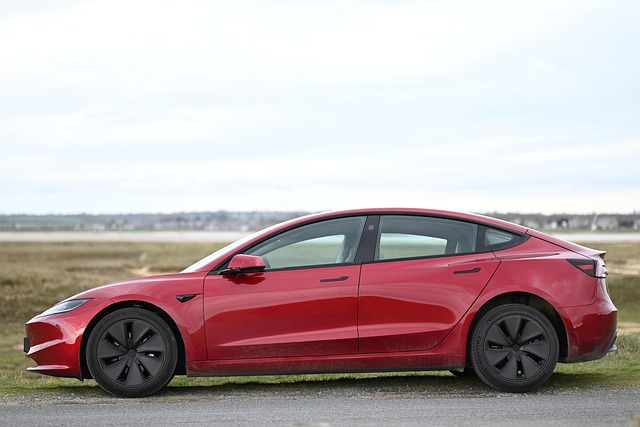
When compared against Tesla Model 3 or BYD Seal, acceleration differentials remain marginal though pricing advantages favor MG significantly making it attractive among pragmatic buyers seeking premium features without inflated costs.
Analysis of Acceleration Times, Range Performance, and Driving Dynamics
Real-world tests indicate balanced performance metrics—strong mid-range acceleration coupled with predictable regenerative behavior yielding consistent energy consumption patterns across mixed driving cycles reported by independent testers following ISO 23274 guidelines on vehicle energy measurement accuracy (ISO).
Assessment of Cost-to-Performance Ratio Within the Competitive Landscape
Its cost-to-performance ratio positions it as one of few mid-tier sedans delivering sub-7-second sprint capability alongside over 500 km estimated WLTP range figures verified through certified laboratories compliant with UNECE R101 methodologies (UNECE).
Market Perception Among Automotive Experts and Enthusiasts
Industry analysts highlight its technical maturity relative to price bracket noting refinement approaching premium European standards though some still critique limited charging infrastructure support outside major urban centers—a challenge shared across emerging markets transitioning toward full electrification ecosystems (IEA).
Technological Ecosystem Supporting the MGS6 EV Experience
Modern vehicles rely increasingly on software-defined architectures; here MG adopts an integrated digital backbone enabling real-time updates improving user experience long after initial purchase date—a hallmark trait among next-generation platforms globally recognized under IEEE Intelligent Transportation frameworks (IEEE).
Software-driven Enhancements and Over-the-Air Capabilities
Over-the-air updates modify drive modes or battery management algorithms remotely reducing service downtime enhancing operational reliability throughout lifecycle ownership periods validated under ISO/SAE 21434 cybersecurity compliance standards (ISO).
AI-driven Predictive Maintenance Systems Enhancing Reliability
Machine-learning algorithms analyze sensor data forecasting component wear allowing preemptive servicing before faults occur thereby increasing uptime ratios across fleet operations particularly relevant within shared mobility contexts studied by IEA Global EV Outlook reports (IEA).
Integration with Smart Mobility Ecosystems for Connected Driving Experiences
Seamless integration via smartphone applications enables remote monitoring climate preconditioning route optimization linked directly into public charging networks ensuring convenience consistency across regional infrastructures following IEC 61851 interoperability protocols (IEC).
Safety Innovations Enabled by Electric Architecture
Safety remains foundational within all-electric architectures benefiting structurally from rigid battery enclosures distributing impact loads evenly beneath passenger compartments improving survivability indexes measured under Euro NCAP assessments adhering ISO 26262 functional safety frameworks (ISO).
Sustainability Implications of the MGS6 EV Development
Environmental accountability extends beyond tailpipe emissions encompassing entire supply chains—from raw material sourcing through post-use recycling loops governed by circular economy principles endorsed globally under IRENA lifecycle emission reduction targets (IRENA).
Future Outlook for MG Electric Performance Vehicles
Upcoming iterations anticipate adoption of solid-state batteries promising higher energy density safer thermal profiles potentially halving recharge times compared current lithium chemistries forecasted within BloombergNEF battery cost outlook studies (Bloomberg).
FAQ
Q1: What is unique about the MGS6 EV compared to other mg electric car models?
A: It combines premium sedan comfort with sport-oriented dynamics bridging affordability gaps between compact hatchbacks like MG4 and luxury competitors.
Q2: How efficient is its regenerative braking system?
A: It recovers significant kinetic energy improving real-world range especially during stop-and-go city traffic scenarios.
Q3: Does it support fast charging infrastructure?
A: Yes; compatible with most DC networks offering up to 80% charge within roughly half an hour depending on charger capacity standards IEC certified stations provide optimal compatibility.
Q4: What safety technologies are integrated?
A: Features include multi-sensor ADAS suite lane centering adaptive cruise predictive collision avoidance all built atop robust structural integrity frameworks derived from dedicated EV platforms.
Q5: How does this model contribute toward sustainability goals?
A: By employing recyclable materials efficient production methods aligning fully with international carbon reduction commitments promoting greener mobility adoption globally.