
What’s Happening With Tesla’s Solar Roof?
Tesla’s Solar Roof marks a pivotal shift in how distributed energy systems are designed and deployed. It transforms rooftops into active generators, combining aesthetics with renewable functionality. While the product has faced challenges in cost and scalability, its integration with Tesla’s broader energy ecosystem positions it as a cornerstone for decentralized, resilient power networks. The technology aligns with global moves toward localized generation and carbon reduction, making it one of the most ambitious steps toward an autonomous energy future.
Tesla’s Solar Roof and the Evolution of Distributed Energy Systems
Distributed energy systems are reshaping how electricity is produced and consumed. Rather than relying on large centralized plants, these systems use localized renewable sources to increase resilience and autonomy.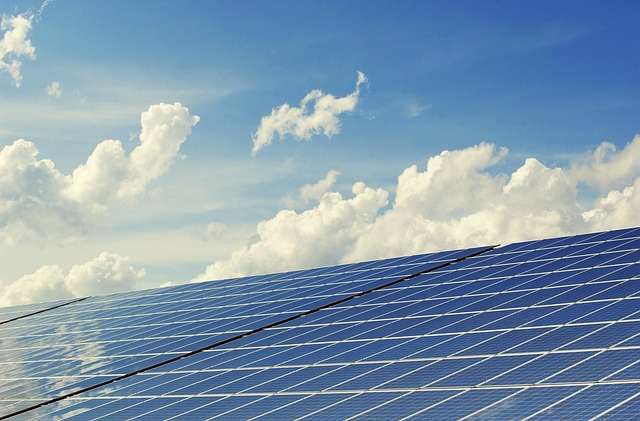
The Concept of Distributed Energy Systems
Distributed energy systems decentralize power generation by placing production closer to consumption points. They integrate solar panels, battery storage, and smart grid technologies to balance supply dynamically. This model reduces grid stress during peak demand periods while improving reliability during outages. Tesla’s Solar Roof fits naturally into this framework by embedding photovoltaic generation directly into the built environment, allowing homes to serve as micro power stations.
How Tesla’s Solar Roof Fits into the Distributed Energy Model
Tesla’s approach merges architectural design with energy production. Each glass tile functions as both a roof component and a photovoltaic cell, creating a seamless aesthetic that traditional panels often lack. By enabling households to generate their own electricity, dependence on centralized utilities diminishes significantly. Furthermore, when paired with Tesla Powerwall batteries, the system supports bidirectional energy flow—sending excess power back to the grid or storing it for later use—enhancing local grid resilience.
Technological Foundations of Tesla’s Solar Roof
Tesla’s Solar Roof represents a synthesis of materials science, photovoltaic engineering, and digital control systems. Its technical underpinnings define both its performance potential and its current limitations.
Innovations in Photovoltaic Cell Design
The roof uses tempered glass tiles embedded with high-efficiency solar cells designed for long-term durability. Unlike standard panels that sit atop existing structures, these tiles replace traditional roofing materials entirely. Their design allows consistent power output even under variable sunlight conditions through optimized cell orientation and coatings that minimize reflection losses. The result is a system that combines mechanical strength with visual appeal—an uncommon pairing in residential photovoltaics.
Integration with Tesla Energy Ecosystem
Tesla’s Solar Roof gains full functionality when integrated into the broader Tesla Energy ecosystem. It connects directly with Powerwall for on-site storage and links through Powerwall Gateway for real-time monitoring via mobile interfaces. This connection enables smart load shifting based on time-of-use pricing or household consumption patterns. Essentially, homes can decide when to draw from the grid or when to rely on stored solar energy automatically.
Economic and Environmental Implications
The economic feasibility of Tesla’s Solar Roof remains debated among analysts, but its environmental benefits are clear within distributed networks.
Cost Dynamics and Market Accessibility
Installation costs currently exceed those of conventional solar arrays due to material complexity and labor intensity. However, long-term savings depend heavily on regional electricity rates and available incentives such as tax credits or net metering policies. Over time, increased production volumes could drive down costs through economies of scale—a trend observed across most renewable technologies since 2010 according to IEA data.
Sustainability and Carbon Reduction Impact
By replacing grid-supplied electricity with renewable self-generation, households can substantially reduce their carbon footprint. Integrating solar directly into construction materials also promotes sustainable architecture by eliminating redundant components like separate roofing layers and panels. Collectively, such installations contribute toward national decarbonization goals outlined by frameworks like IRENA’s Renewable Energy Roadmap.
Challenges in Adoption and Deployment
Despite its promise, several barriers hinder widespread deployment across markets.
Technical Barriers to Large-scale Implementation
Complex installation requirements make scaling difficult across different building geometries or older structures. Compatibility issues may arise where local codes restrict modifications to heritage properties or mandate specific fire ratings for roofing materials. Maintenance also demands specialized technicians familiar with both roofing practices and photovoltaic diagnostics—skills not yet common among contractors.
Regulatory and Policy Considerations
Energy policy remains fragmented across regions, influencing adoption rates unevenly. Some jurisdictions offer robust incentives for distributed generation while others impose restrictive interconnection standards that complicate bidirectional flows between home systems and public grids. Harmonizing these policies is essential if distributed architectures like Tesla’s are to integrate smoothly at scale.
The Role of “Solar Near Me” Trends in Market Expansion
Consumer behavior increasingly shapes how distributed solar solutions spread geographically.
Growing searches for “solar near me” indicate rising interest in local installers who can deliver customized solutions quickly. This trend strengthens regional competition while shortening installation lead times through localized supply chains.
Localized Demand for Distributed Solar Solutions
Neighborhood-level adoption creates visible proof of concept: one rooftop installation often triggers others nearby as homeowners witness tangible benefits firsthand. Local contractors responding to “solar near me” inquiries now serve as critical nodes connecting consumers to emerging technologies like the Solar Roof.
Implications for Energy Market Decentralization
Clusters of small-scale producers form natural microgrids capable of balancing supply locally before relying on central infrastructure. These clusters reduce transmission losses while enhancing stability during demand fluctuations—a pattern already evident in pilot communities across California and parts of Europe where distributed assets interact intelligently within neighborhood grids.
Future Outlook: Tesla’s Position in the Evolving Energy Landscape
As distributed generation matures globally, Tesla stands at an intersection between consumer electronics design and utility-scale innovation.
Potential Pathways for Innovation and Integration
Future versions will likely feature improved tile efficiency through advanced semiconductor layering techniques or modular assembly processes that simplify replacement cycles. Integration with vehicle-to-grid (V2G) technology could further extend system value by turning electric vehicles into mobile storage units capable of supporting home loads during outages or feeding surplus back into community networks.
Strategic Influence on Global Distributed Energy Transition
Tesla demonstrates how merging mobility solutions with stationary storage accelerates the broader transition toward decentralized infrastructure. Its emphasis on aesthetics helps normalize renewable adoption among consumers who might otherwise resist visible panel installations. As urban areas densify, such hybrid models could redefine architectural norms—turning every surface into part of an intelligent energy web rather than passive structure.
FAQ
Q1: How does Tesla’s Solar Roof differ from traditional solar panels?
A: It replaces conventional roofing materials entirely using glass tiles embedded with photovoltaic cells instead of mounting separate panels above an existing roof structure.
Q2: Can homeowners use stored power during blackouts?
A: Yes, when paired with Powerwall batteries the system provides backup electricity independent from grid supply during outages.
Q3: Is it cost-effective compared to standard PV systems?
A: Currently it costs more upfront but may yield comparable lifetime savings depending on incentives and local electricity prices.
Q4: Does searching “solar near me” help find certified installers?
A: Yes, local search trends connect homeowners directly to nearby certified providers familiar with regional regulations and permitting processes.
Q5: What future upgrades can be expected?
A: Enhancements may include higher cell efficiency, recyclable materials integration, smarter software analytics, and compatibility with vehicle-to-grid applications for expanded functionality.