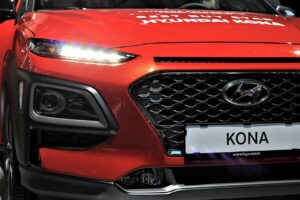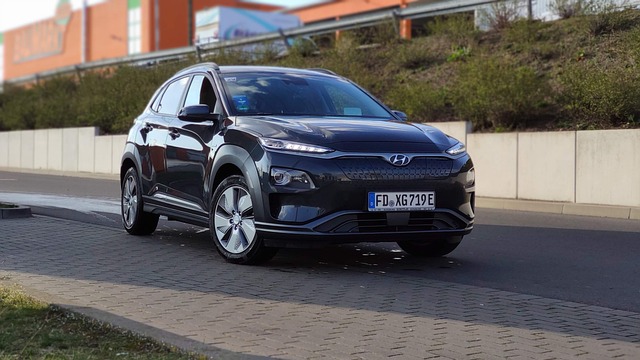

The Hyundai Kona Electric Will Skip the 2026 Model Year
Hyundai’s decision to skip the 2026 model year for the Kona Electric isn’t a production glitch but a calculated move. The company is aligning its compact EV with upcoming regulatory, platform, and market shifts. By pausing between the 2025 and 2027 model years, Hyundai aims to synchronize its electric SUV lineup with new battery technologies and global emissions standards. This gap reflects how automakers are adapting product cycles to meet fast-evolving EV expectations while optimizing manufacturing resources.
Overview of Hyundai’s Model Year Strategy
Hyundai has consistently balanced innovation speed with production stability. Its approach to model-year planning often mirrors broader industry trends where timing can determine market success.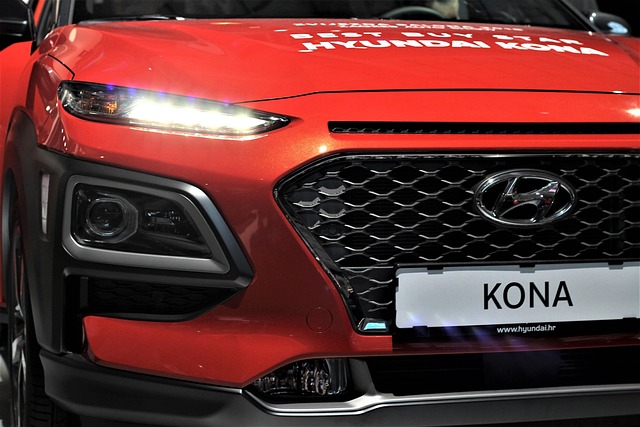
Understanding Hyundai’s Product Cycle Approach
Hyundai manages model year transitions through a structured cycle that integrates design updates, regulatory compliance, and consumer demand forecasts. Typically, each model generation lasts four to six years, with mid-cycle refreshes introduced halfway through. Production timelines are carefully aligned with supplier readiness and assembly line capacity. Market readiness also plays a key role; launches are often timed to coincide with high-demand seasons or new technology rollouts.
Industry-wide, skipping or delaying a model year isn’t uncommon. Brands like Ford and Toyota have occasionally adjusted schedules when redesigns required longer validation or when supply chain constraints disrupted production cadence. These pauses often signal strategic repositioning rather than setbacks.
The Strategic Importance of Skipping a Model Year
Skipping a model year can serve multiple strategic purposes. Automakers sometimes pause production to align future models with major redesigns or new regulations, especially when upcoming standards could require costly retrofits if implemented mid-cycle. By avoiding overlap between outgoing and incoming models, manufacturers prevent internal competition and simplify marketing narratives.
Operationally, such decisions streamline manufacturing efficiency by allowing factories time for retooling without halting other lines. Supply chain synchronization also benefits since component suppliers can adjust to new specifications without excess inventory buildup.
The Current Position of the Hyundai Kona Electric in the Market
The Hyundai Kona Electric has evolved from an early niche EV into one of the brand’s most recognized electric crossovers. Its trajectory mirrors Hyundai’s broader electrification ambitions.
Evolution of the Kona Electric Since Its Launch
Introduced in 2018, the Kona Electric quickly stood out for its practical range and accessible price point. Over successive updates, it gained improved battery chemistry, faster charging speeds, and refined driver-assistance systems. The latest generation introduced in 2024 emphasized design maturity and digital integration across trims.
Sales performance has remained strong in Europe and North America despite growing competition. The vehicle’s appeal lies in combining compact SUV practicality with efficient EV performance—a formula that continues to attract urban drivers seeking reliability without luxury pricing.
Competitive Landscape for Compact Electric SUVs
The compact EV SUV segment has become intensely competitive. Models like the Chevrolet Bolt EUV, Kia Niro EV, and Tesla Model Y dominate different price brackets but target similar buyers prioritizing range and tech features. Consumer preferences have shifted toward vehicles offering both sustainability and advanced connectivity.
Global regulations have accelerated this trend further. Incentives under U.S., European, and Asian policies favor zero-emission vehicles, pushing brands like Hyundai to refine their EV strategies around compliance as much as innovation.
Technical and Regulatory Factors Behind the 2026 Gap
The skipped model year reflects deeper technical transitions within Hyundai’s production network rather than simple scheduling adjustments.
Platform Transition and Production Scheduling
Hyundai is gradually migrating many models onto its E-GMP (Electric-Global Modular Platform), which supports faster charging speeds up to 800V architecture and improved modularity across vehicle types. Integrating this platform into the Kona Electric line requires reconfiguring assembly processes currently shared with internal combustion engine variants.
Production allocation between ICE, hybrid, and electric versions must be recalibrated during this transition period. Retooling involves not only physical equipment changes but also software integration for advanced power management systems—tasks that justify pausing one model year to avoid fragmented rollouts.
Compliance with Emerging Emission and Safety Standards
Upcoming North American safety protocols and European Union battery recycling mandates set for mid-decade will impose stricter compliance requirements on automakers. By skipping 2026, Hyundai gains time to certify its next-generation Kona Electric under these new frameworks instead of retrofitting existing designs.
This timeline also allows incorporation of upgraded ADAS suites aligned with evolving ISO safety benchmarks and enhanced energy efficiency algorithms within vehicle control units—improvements that would be difficult to integrate midstream without delays elsewhere in production.
Market Implications for Consumers and Dealers
A skipped model year inevitably affects distribution networks and resale markets. Dealers must adapt inventory cycles while maintaining customer engagement during product gaps.
Inventory Management and Residual Value Considerations
Dealerships typically plan inventory around predictable annual releases; a missing model year disrupts that rhythm slightly but not catastrophically. Many will extend sales focus on late-2025 units while preparing marketing campaigns around the anticipated 2027 redesign.
Residual values may even benefit since fewer intermediate-year vehicles mean reduced depreciation pressure on existing models—a pattern observed during previous manufacturer pauses across several brands.
Consumer Perception and Brand Communication Strategy
Transparent communication becomes vital when explaining such pauses to customers accustomed to yearly updates. Framing the gap as part of a forward-looking innovation cycle rather than a delay helps maintain trust among loyal buyers.
Hyundai can emphasize quality refinement during this pause—highlighting improved safety compliance, better range performance, and integration into its broader EV ecosystem as evidence of progress rather than absence.
What to Expect from the Next Generation Kona Electric
The next-generation Hyundai Kona Electric is expected to represent more than just an incremental update—it will likely mark a leap forward in design philosophy and technology alignment within Hyundai’s expanding EV family.
Anticipated Design and Performance Enhancements
Exterior styling will likely echo cues from larger E-GMP-based siblings like Ioniq 5 while maintaining compact proportions suited for city driving. Interior ergonomics should improve through flatter floor architecture enabled by dedicated EV packaging, enhancing space efficiency without increasing footprint size.
Battery advancements could push range beyond current benchmarks while supporting ultra-fast charging compatible with expanding high-voltage networks worldwide. Software-defined vehicle systems will deliver continuous over-the-air updates improving both performance tuning and user interface customization over time.
Broader Implications for Hyundai’s EV Roadmap
Strategically, this pause aligns Kona Electric development with Hyundai Motor Group’s electrification roadmap targeting over 30% global EV share by 2030. Sharing components across E-GMP platforms reduces costs while enabling rapid deployment of innovations tested on flagship models like Ioniq 6 or GV60 from Genesis.
Such harmonization positions Hyundai strongly against competitors scaling similar architectures globally—transforming what might appear as a temporary gap into groundwork for long-term competitiveness across markets transitioning toward full electrification.
FAQ
Q1: Why is Hyundai skipping the 2026 Kona Electric?
A: To align production schedules with platform upgrades and upcoming emissions regulations requiring retooling before launching the next generation in 2027.
Q2: Will this affect availability of current models?
A: Dealers will continue selling remaining 2025 units through most of 2026; no major supply shortages are expected due to planned inventory adjustments.
Q3: How does this decision impact resale value?
A: Typically positively—fewer overlapping model years often stabilize or slightly raise residual values compared with continuous yearly releases.
Q4: Is this related to battery supply issues?
A: Not directly; it primarily reflects platform transition timing though global cell sourcing remains an influencing factor across all automakers’ schedules.
Q5: When will details about the next-generation Kona Electric be revealed?
A: Official previews are anticipated sometime in late 2026 ahead of full production start for the 2027 model year rollout globally.