
Electric vehicles (EVs) have shifted from special new ideas to common ways to get around. An EV uses power from batteries. It does not use gas engines. This means no smoke from the tailpipe. It also costs less to run. As an expert in this field, you can see that the coming stage of rivalry focuses on more than just speed or fancy features. It centers on being cheap and easy to get. Governments are making stricter rules on pollution. Cities want cleaner ways to travel. So, car makers hurry to build EVs that fit daily life. Volkswagen plans to show its first cheap EV soon. This event stands out in the push forward. It shows the second-biggest car company in the world wants to make electric cars open to all.
Think about how EVs started small. Now they fill roads everywhere. People like them for quiet rides and low bills. But not everyone can buy one yet. Prices stay high for many. That changes with this new plan from Volkswagen. It aims to bring costs down. Everyday folks can join the electric shift. The reveal happens tomorrow. Excitement builds as details come out. Will this car change how we see cheap EVs? Many eyes watch closely.
Volkswagen’s Strategic Move Into the Entry-Level EV Market
Volkswagen’s newest plan lies right in the middle of its big plan for electric cars. The firm has shared its goals. From 2033, all new cars in Europe will run on electricity alone. This cheap EV effort seeks to take hold of a part of the market. Right now, Asian and American brands lead there. BYD and Tesla stand out as main rivals. For Volkswagen, the step offers a chance to sell more. It also meets tough new rules on clean air in Europe.
The plan builds on past successes. Volkswagen knows how to reach many buyers. It did this with regular cars before. Now it turns to electric ones. The company invests a lot in this area. Factories get updates for new builds. Workers train on fresh skills. All this prepares for the launch. The market waits to see the results.
Positioning Within the Global EV Landscape
The world EV market grows fast. In 2023, sales went over 14 million cars. Data from the field shows this boom. Volkswagen steps into cheap EVs. It follows its old way of doing things. The goal is to reach lots of people. It keeps the good name of the brand safe. The ID series already sets a pattern in looks and trust from users. This new car will probably build on that. It lowers the price point. Yet it holds onto main parts of what makes Volkswagen special. Think reliability and usefulness in daily use.
Global trends push this forward. More countries support EVs with money help. Roads get chargers in more spots. Buyers look for options that fit budgets. Volkswagen spots this need. It plans to fill the gap. The ID line proves popular. Sales numbers rise each year. Now the cheap version expands that reach. It targets families and city folks. They want simple, solid rides.
Market Dynamics Driving Volkswagen’s Decision
Europe sees more want for easy electric travel choices. Government money and better setups drive this. Cities such as Paris, Berlin, and Madrid set zones with low pollution. These rules nudge people to pick small electric cars. Pressure from rivals grows. Tesla cuts prices on the Model 3. BYD pushes hard into Europe. Old car makers like Volkswagen must check their prices again. The choice by Volkswagen shows more than just fights with others. It also picks the right time. Battery prices drop at last. This makes EVs under €25,000 possible now.
Demand builds in steady ways. Subsidies lower the buy-in cost. Infrastructure spreads to neighborhoods. Urban areas lead the change. Drivers face bans on old cars in centers. They turn to electric picks. Competition heats up. Tesla leads in tech appeal. BYD wins on low prices from abroad. Volkswagen blends both strengths. It uses its home base well. Timing matters a lot. Cheaper parts open doors. The market ripens for this entry.
Design Philosophy and Platform Innovations
Volkswagen’s way of building focuses on simple building blocks. The company keeps improving its MEB (Modularer E-Antriebs-Baukasten) platform. This base supports most ID models. The setup gives room for different car shapes. It keeps making easy at the factory. That matters a ton for buyers at the low end. They care about good deals more than special tweaks.
Philosophy guides every choice. Engineers think about real needs. They aim for cars that last and work well. Platforms like MEB save time and cash. It lets the team test ideas fast. Innovations come from user feedback. Volkswagen listens to what drives matter. This shapes the next steps.
The Role of the MEB Platform in Entry-Level Models
The MEB platform helps keep costs in check. It shares parts among various cars. This cuts down on hard work in the build lines. Volkswagen grows output on one main setup. It gains big savings like Toyota did with its TNGA for mixed power cars. Teams plan to change battery parts and engine setups. They fit smaller sizes. All the while, they hold to safety rules and how well it runs. These match Europe’s standards.
Shared parts mean less waste. Assembly speeds up. Factories run smoother. Costs drop for everyone. Toyota showed this works. Now Volkswagen follows suit. Engineers tweak for the cheap line. Batteries get smaller but strong. Motors adjust for city speeds. Safety stays top. Tests ensure it all holds up. Regulations guide the changes. Europe demands high marks here.
Expected Design Language and Brand Identity
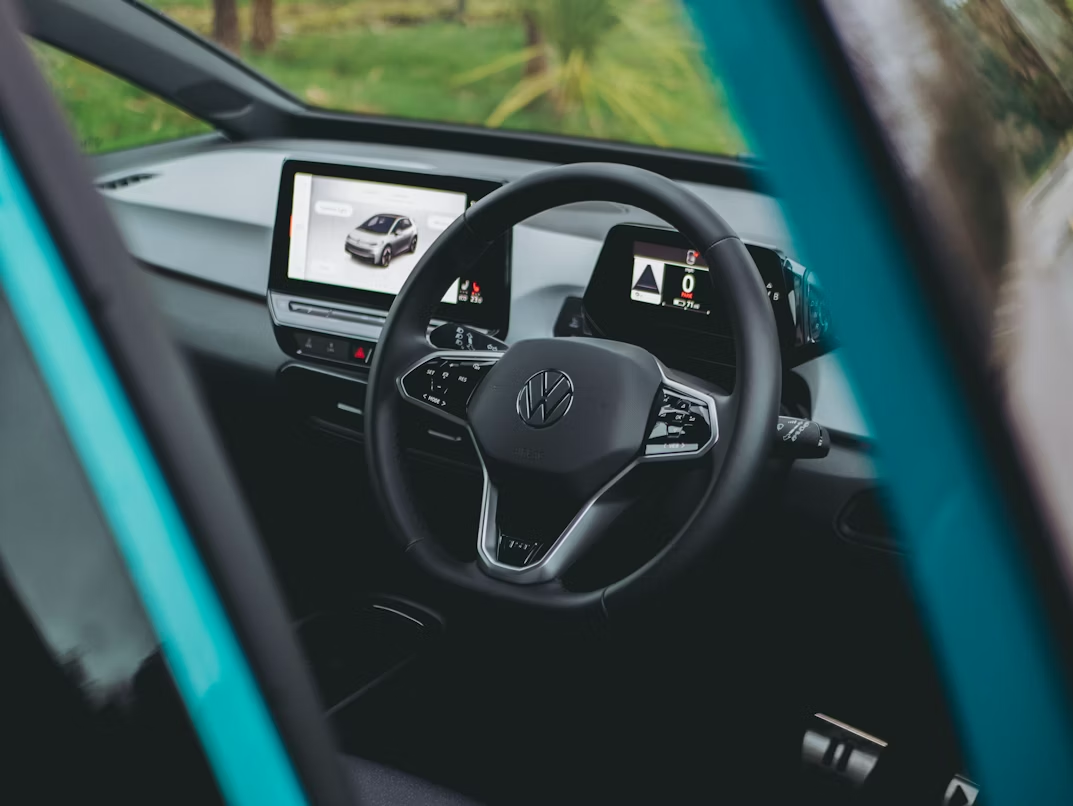
Look for clear links in looks to current ID cars. Think smooth outsides, shapes that cut through air, and simple insides with screens. The inside space will probably use green stuff like reused plastics or kind fabrics. These fit Volkswagen’s promises on environment and social good. Basic setups draw in young city drivers. They like easy links to tech over old fancy touches.
Design stays true to the brand. Clean lines mark Volkswagen. Aerodynamics help save power. Interiors focus on what matters. Digital tools make drives fun. Sustainable picks show care for the planet. Younger folks notice this. They pick cars that match their views. Connectivity feels natural. Luxury takes a back seat. Practical wins out.
Performance, Range, and Battery Technology Expectations
How well entry-level EVs do often swaps big speed for better use of power. But Volkswagen wants to mix these well. It uses clever build ideas. These make the car easy to use without raising the price too much.
Balance proves key. Power meets daily needs. Efficiency saves money long term. Engineering choices matter. They keep costs low. Usability draws buyers in. Volkswagen tests many options. The goal stays simple. Deliver value every day.
Anticipated Powertrain Configurations
One motor driving the front wheels looks likely. It saves money on build. People in the know point to lithium iron phosphate (LFP) batteries. These cost less per bit of power stored. They last longer than other types like nickel-manganese-cobalt. Brakes that save energy keep working. They grab back power in city stops. This helps riders in busy traffic a lot.
Single motor keeps it basic. Front drive suits most roads. LFP batteries offer good trade-offs. Cost drops, life goes up. Other batteries wear faster. Regenerative systems shine in towns. Stop-and-go eats less range. Commuters gain from this. Daily trips feel easier.
Range Optimization Strategies
Volkswagen aims for 250 km to 350 km on one charge in real life. That fits city people who drive under 50 km each day. Light builds with strong steel and light metal sides help. They boost how far it goes per fill. Plus, computer programs for range tweak power use. They look at how you drive or the weather. Smart math in the car’s brain helps with this.
Range meets urban habits. Most trips stay short. Light weight cuts drag. Steel holds strong. Aluminum lightens the load. Efficiency climbs. Software watches patterns. It adjusts on the fly. Weather plays a role. Cold slows things, but aids fix it. The system learns from you. Drives improve over time.
Digital Ecosystem and Connectivity Features
Hardware alone does not win in cars today. Software ties it all together for edge in the field. Volkswagen puts big money into one digital world. It links cars to online services and phone tools.
Software changes everything. It updates without trips to shops. Connections make life smooth. Volkswagen builds this step by step. Cloud power adds smarts. Mobile ties keep you close. The ecosystem grows with users.
Integration With Volkswagen’s Software Stack
New cheap models will use VW.OS. This is their own system for updates over the air. It works like Tesla’s but fits big groups better. The setup helps warn about fixes ahead of time. It uses data from sensors. Users can change drive styles or fun screens from their phones far away.
VW.OS runs smooth. Updates come easy. Tesla sets the bar high. Volkswagen scales it for all. Sensors spot issues early. Alerts save hassle. Personal touches feel right. Apps connect quick. Remote control adds ease.
User Experience Enhancements Through Connectivity
Links will show maps with charger spots in real time on paths. This helps a lot since chargers differ by area. Voice help makes talking to the car simple. It cuts down on looking away risks. Paid add-ons like better drive aids or fun extras can bring money later. This matches the move to cars run by software across the field.
Navigation guides true. Chargers appear where needed. Densities vary wide. Voice keeps eyes on road. Distractions drop low. Subscriptions open doors. Aids make drives safe. Entertainment fills time. Revenue flows steady. Software defines the future.
Manufacturing Strategy and Supply Chain Considerations
Volkswagen’s build plan stresses local nets for strength. These handle world chain breaks seen lately.
Strategy builds tough. Local spots cut risks. Disruptions hit hard before. Now plans account for them. Resilience keeps output steady. Volkswagen learns from past bumps.
Localization of Production for Cost Efficiency
The firm will use fixed-up plants in Europe. These handle bendy lines for EVs. They fit many models in the MEB group. Getting batteries from nearby sellers cuts move costs. It also backs EU rules on clear carbon tracks in chains.
Retool plants save cash. Flexible lines switch fast. MEB ties it together. Local sources speed things. Logistics ease up. EU pushes green ways. Transparency builds trust. Costs stay in line.
Sustainability in Production Processes
Volkswagen keeps adding recycle loops for battery stuff. At places like Salzgitter in Germany, old cells turn into new parts. Green power mixes into build work. This matches the firm’s zero pollution aim by 2040. Open buy ways build faith with green-minded buyers. They watch full life pollution, not just end smoke.
Recycling closes the circle. Salzgitter leads in this. Cells renew fast. Renewables power lines. Goals push to 2040. Sourcing shows clear paths. Consumers care deep. Lifecycle counts full. Tailpipe tells part of the story.
Implications for Market Positioning and Future Portfolio Development
This start holds big plan value past first sales. It forms how Volkswagen stands against world foes in the next ten years of electric shift.
Launch sets the tone. Sales matter, but more comes. Positioning shapes long games. Rivals watch close. Decade ahead brings changes. Electrification drives it all.
Competitive Pricing Scenarios in the Entry-Level Segment
A price under €25,000 lets Volkswagen fight straight with goods from China. It holds its edge in build quality over unknown names. To hit this, it must weigh features against keep-profit needs. Raw stuff prices for lithium and nickel swing wild, making it harder.
Rollouts come in steps. They start in main Europe spots like Germany, France, Spain. Then go world-wide after build steadies. Rules differ by land, so this fits.
Low price opens doors. Chinese cars flood in. Quality sets Volkswagen apart. Balance keeps business sound. Features draw buyers. Margins guard the firm. Volatility tests plans. Steps ease the path. Key markets lead. Global spread follows. Regulations guide the pace.
Influence on Volkswagen’s Broader Electrification Roadmap
The cheap model works as test and spark in VW’s electric plan. Ideas from cheap builds here may shape later ID lines. It could lead to tinier town EVs or cheap crossovers for new areas by end of the ten years. This lines up with VW Group Strategy 2030 goals for full electric switch in ten years.
Model tests real ways. Catalyst pushes ahead. Cost lessons spread wide. ID evolves from this. Small cars fit cities tight. Crossovers reach far lands. Timelines match big aims. Strategy 2030 charts the course. Full shift comes soon. Ten years mark the goal.
FAQ
Q1: When will Volkswagen unveil its first entry-level EV?
A: The official unveiling is scheduled for tomorrow as part of Volkswagen’s ongoing expansion of its ID lineup focused on affordable electric mobility solutions.
Q2: What price range is expected for this new model?
A: Analysts expect pricing around €25,000 depending on configuration options and market-specific incentives available at launch time.
Q3: What type of battery technology will it use?
A: It is anticipated that lithium iron phosphate (LFP) batteries will be used due to their balance between cost efficiency and durability suitable for mass-market applications.
Q4: How far can it travel on a single charge?
A: Expected range estimates fall between 250 km and 350 km depending on driving conditions typical of urban commuting environments.
Q5: How does this model fit into Volkswagen’s long-term plan?
A: It acts as a cornerstone project testing scalable affordability strategies that could shape future generations within VW’s broader electrification roadmap leading toward full electric transition by next decade.