

RV Storage Surges as Americans Hit The Road
The surge in recreational vehicle (RV) ownership has reshaped the travel and leisure economy, creating a parallel boom in rv storage infrastructure. As more travelers embrace flexible, road-based lifestyles, the demand for secure, accessible, and service-integrated storage facilities has accelerated. This shift is not just a logistical trend but a structural transformation within real estate investment and consumer behavior. RV storage now stands at the intersection of mobility, property development, and lifestyle evolution.
The Expanding Role of RV Storage in the Travel and Leisure Economy
RV storage has evolved from a simple parking solution into a critical component of the modern travel ecosystem. Its growth mirrors changing preferences toward autonomy and outdoor exploration.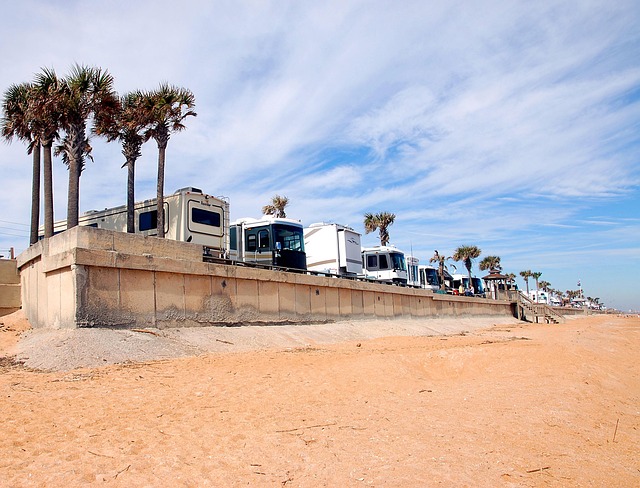
Shifts in Travel Behavior Driving RV Ownership Growth
The pandemic era redefined how people approached travel. Domestic road trips replaced international flights, pushing many families to invest in RVs for safety and flexibility. The rise of remote work further amplified this shift—professionals discovered they could sustain careers while traveling across states. Younger demographics joined retirees in adopting mobile living, broadening the ownership base. This cross-generational appeal signals that RV culture is no longer niche but mainstream.
How RV Storage Aligns with Emerging Consumer Needs
With ownership comes the need for convenience. Modern rv storage facilities provide more than space; they deliver peace of mind through security systems, climate control, and around-the-clock access. Seasonal fluctuations also shape demand—snowbirds in colder climates often store their vehicles during winter months while southern states see year-round use. Many operators integrate maintenance bays or wash stations directly on-site, turning storage into an extension of vehicle care rather than mere parking.
Economic and Market Dynamics Influencing RV Storage Investments
As travel patterns stabilize post-pandemic, economic forces now define how investors approach this sector. The interplay between tourism activity and facility utilization is driving both pricing strategy and asset valuation.
The Relationship Between Travel Demand and Storage Utilization Rates
RV sales data consistently correlate with storage occupancy rates. When manufacturers report record shipments, facility managers experience immediate pressure on capacity. Regional hotspots such as Arizona, Florida, and Texas show direct links between seasonal tourism peaks and short-term rental spikes. Operators often adjust monthly fees during high-demand periods to reflect this cyclical pattern—a pricing flexibility uncommon in traditional real estate classes.
Capital Flows and Valuation Trends in RV Storage Assets
Institutional capital has begun flowing into vehicle storage as investors seek stable income streams outside conventional property markets. Compared with office or retail assets, rv storage offers lower volatility due to recurring rental contracts and minimal tenant turnover. Facilities with long-term customer bases demonstrate consistent yields that rival self-storage or industrial properties. This predictability makes them attractive during broader market uncertainty.
Operational Innovations Transforming the RV Storage Sector
The operational backbone of rv storage is rapidly modernizing through technology adoption and sustainable design principles that enhance both efficiency and brand perception.
Technology Integration in Facility Management
Automation defines today’s leading facilities. Customers can reserve units online, unlock gates via mobile apps, and process payments without human contact—a model similar to smart parking systems used in urban centers. Advanced security features such as motion analytics cameras or biometric locks further elevate trust among owners storing vehicles worth six figures or more. Data analytics platforms help operators track occupancy trends and forecast maintenance needs with precision.
Sustainable Practices in Modern RV Storage Design
Sustainability is no longer optional for developers targeting long-term value retention. Many new projects incorporate solar panels to offset energy costs associated with lighting large lots or powering climate-controlled units. Builders increasingly select recycled steel structures or permeable pavements to manage runoff responsibly. In arid regions like Nevada or New Mexico, water reclamation systems reduce irrigation demand while maintaining landscaped aesthetics—a subtle but meaningful competitive edge.
Strategic Positioning of RV Storage as a Real Estate Asset Class
Beyond its operational maturity, rv storage now occupies a strategic niche within diversified property portfolios. Investors view it as both defensive and adaptable amid shifting economic cycles.
Portfolio Diversification Opportunities for Investors
RV storage shows low correlation with residential housing downturns or retail slowdowns because its demand stems from lifestyle rather than necessity spending patterns. Some developers explore hybrid models combining rv storage with co-working spaces or hospitality amenities on adjacent parcels—a creative response to underutilized land near highways or recreation zones. Franchising concepts are emerging too, enabling regional scalability without heavy capital exposure per site.
Competitive Differentiation Through Service Enhancement
Facilities compete increasingly through experience rather than price alone. Value-added services such as detailing packages, battery charging stations, or concierge pickup attract premium clientele seeking convenience over cost savings. Loyalty programs rewarding long-term renters help stabilize cash flow across seasons. Branding strategies now emphasize community—positioning sites as lifestyle hubs where owners gather before embarking on cross-country journeys.
Future Outlook: The Evolving Landscape of RV Storage Demand
Looking ahead, macroeconomic conditions and consumer expectations will continue shaping how this market matures over the next decade.
Macroeconomic Factors Shaping Long-Term Growth Trajectories
Fuel price swings influence how frequently owners travel versus store their vehicles; prolonged high prices can extend average storage durations by months. Urban expansion around major metros creates land scarcity that inflates facility valuations near city edges where zoning permits large lots. Meanwhile, government initiatives promoting outdoor recreation—such as grants for campground development—indirectly sustain rv sales momentum that feeds back into storage requirements.
Anticipated Shifts in Consumer Expectations and Market Responses
Owners increasingly seek climate-controlled environments to protect luxury motorhomes from humidity damage or UV exposure—features once rare but now standard at upper-tier sites. Developers experiment with hybrid complexes offering not just parking but amenities like shared lounges or remote work pods catering to digital nomads who live part-time on wheels. Predictive analytics tools are emerging too, giving investors data-driven insights into occupancy forecasts similar to how airlines model seat yield optimization.
FAQ
Q1: What factors are driving the current boom in rv storage?
A: Rising RV ownership among diverse age groups, flexible travel habits after the pandemic, and growing interest from institutional investors all contribute to rapid expansion across U.S. markets.
Q2: How do seasonal trends affect rv storage pricing?
A: Prices typically rise during peak travel months when facilities reach higher occupancy rates; operators adjust contracts accordingly to balance supply with regional demand cycles.
Q3: Why are investors viewing rv storage as a stable asset class?
A: Consistent rental income from long-term customers provides steady returns even when other real estate sectors fluctuate due to economic pressures.
Q4: What technologies are shaping modern rv storage operations?
A: Digital reservation systems, automated gate access via mobile apps, surveillance analytics, and predictive maintenance software are transforming management efficiency.
Q5: Are sustainability practices common among new rv storage developments?
A: Yes, many projects now integrate solar energy generation, eco-friendly materials, and water conservation measures to reduce costs while enhancing environmental performance.