
What Are the Different Types of Renewable Energy?
Renewable energy forms the backbone of green architecture, shaping how modern buildings meet energy demands with minimal environmental impact. The main types of renewable energy—solar, wind, geothermal, biomass, and hydropower—each contribute uniquely to sustainable construction. Their integration within architectural design not only reduces carbon emissions but also enhances building performance and resilience. For experts in sustainable design, these systems are no longer optional but fundamental to achieving net-zero or positive-energy outcomes.
Understanding Renewable Energy in the Context of Green Architecture
The intersection of renewable energy and green architecture defines the future of sustainable development. Architects and engineers increasingly view energy generation as part of a building’s identity rather than an external system.
The Relationship Between Renewable Energy and Sustainable Design
Renewable sources such as solar radiation, wind flow, and geothermal heat are essential for reducing a building’s carbon footprint. Integrating photovoltaic panels or small turbines directly into façades allows structures to generate their own electricity while maintaining aesthetic quality. When passive design strategies—like natural ventilation or daylighting—work alongside active renewable systems, the result is a significant drop in operational energy use.
Evaluating Energy Performance in Green Buildings
Assessing performance requires more than measuring consumption; it involves life-cycle analysis. Life-cycle energy assessment tracks embodied and operational energy over decades, revealing true environmental costs. Metrics such as Energy Use Intensity (EUI) quantify efficiency per square meter annually, guiding architects toward evidence-based decisions. Smart sensors now enable real-time data collection for continuous optimization of renewable input across seasons.
Solar Energy and Its Architectural Integration
Solar energy remains the most accessible form among all types of renewable energy. Its adaptability—from rural homes to dense urban towers—makes it a cornerstone of sustainable architecture.
Photovoltaic Systems in Building Design
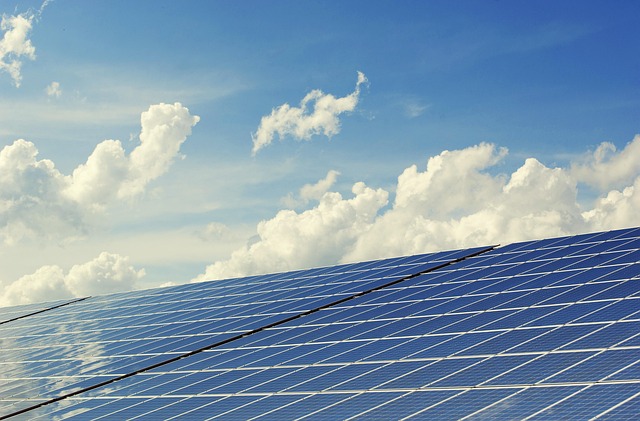
Building-integrated photovoltaics (BIPV) transform roofs and façades into power generators by replacing traditional cladding materials. Proper orientation and tilt angles maximize solar exposure throughout the year while shading studies prevent overheating. Thin-film PV technology further expands design freedom by allowing flexible installation on curved surfaces without compromising efficiency.
Passive Solar Design Principles
Passive solar design relies on architectural intelligence rather than mechanical systems. South-facing windows capture winter sunlight while thermal mass materials store heat for later release. Glazing type determines both light transmission and thermal gain; low-emissivity coatings help maintain comfort levels. Adjustable shading elements such as louvers or vegetation manage solar exposure dynamically across seasons.
Wind Energy as a Component of Green Architecture
Wind power complements solar generation by producing electricity during cloudy or nighttime periods, particularly valuable in coastal or high-rise environments.
Incorporating Small-Scale Wind Turbines in Urban Environments
Micro wind turbines can offset part of a building’s load when positioned strategically at roof edges or vertical shafts where airflow accelerates. Computational fluid dynamics assists in locating low-turbulence zones for better output. To maintain occupant comfort, vibration dampers and acoustic insulation are incorporated within structural systems.
Hybrid Systems Combining Wind and Solar Power
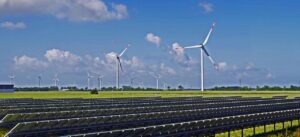
Hybrid installations merge photovoltaic panels with wind turbines under unified control systems that balance variable inputs automatically. This combination ensures consistent supply regardless of weather fluctuations. Designers often use sculptural turbine forms that align visually with architectural geometry rather than appearing as add-ons.
Geothermal Energy for Building Heating and Cooling
Geothermal technology provides reliable heating and cooling independent of outdoor temperature swings, making it ideal for both residential complexes and commercial campuses.
Ground Source Heat Pumps in Sustainable Construction
Closed-loop ground source heat pumps circulate fluid through buried pipes to exchange heat with stable underground temperatures. Geological surveys determine soil conductivity and groundwater conditions before installation to size systems accurately. When linked with radiant floor heating networks, geothermal setups deliver steady indoor comfort with minimal electrical consumption.
Benefits of Geothermal Systems in Urban Developments
Urban projects benefit from geothermal stability since underground temperature remains nearly constant year-round. This consistency reduces fossil fuel dependency for HVAC operations and cuts emissions substantially compared to conventional chillers or boilers.
Biomass Energy Applications in Green Buildings
Among all types of renewable energy, biomass stands out for its ability to repurpose organic waste locally within construction ecosystems.
Utilizing Organic Waste for On-Site Energy Generation
Biomass boilers convert agricultural residues or wood pellets into usable thermal energy for space heating or domestic hot water production. Using regionally available feedstock supports circular economy principles by closing resource loops within communities.
Architectural Considerations for Biomass Systems Integration
Incorporating biomass requires dedicated areas for fuel storage, combustion equipment, and flue ventilation routes within mechanical spaces. Emission filters such as electrostatic precipitators maintain compliance with air-quality regulations while preserving indoor health standards.
Hydropower’s Role in Sustainable Building Design
Hydropower typically evokes large dams, yet micro-scale solutions can serve individual properties effectively where water flow exists naturally.
Micro-Hydropower Systems for Remote or Off-Grid Structures
Small hydro turbines installed along streams near eco-lodges or mountain cabins can provide continuous electricity without grid connection. Engineers conduct flow rate assessments to estimate annual yield while ensuring aquatic habitats remain undisturbed through careful intake design.
Integrating Water Management with Renewable Strategies
Rainwater harvesting complements micro-hydro setups by capturing precipitation for non-potable uses like irrigation or toilet flushing. Coordinated water-energy planning contributes toward net-zero performance goals by reducing both utility dependence and environmental strain.
Emerging Renewable Technologies Influencing Green Architecture
As innovation accelerates, new technologies expand what qualifies as renewable power within architectural contexts beyond traditional solar or wind systems.
Hydrogen Fuel Cells as a Supplementary Power Source
Hydrogen fuel cells convert stored hydrogen into electricity through electrochemical reactions without direct combustion, offering long-term storage capacity for intermittent renewables. Integration into microgrids enhances building resilience during outages by maintaining essential loads autonomously.
Wave, Tidal, and Other Experimental Sources
Coastal developments explore marine-based renewables such as oscillating water columns or tidal stream generators embedded into seawalls. These require corrosion-resistant materials and structural reinforcement but promise localized clean power generation suited to maritime climates.
Designing Buildings Around Renewable Energy Principles
Modern architecture increasingly adapts form to function around renewable flows rather than treating them as secondary considerations.
Adaptive Architectural Forms Responding to Energy Flows
Dynamic façades equipped with movable panels respond automatically to sunlight intensity or prevailing winds using sensor-driven actuators. Parametric modeling tools simulate site-specific conditions early in design stages to refine geometry that captures maximum natural resources efficiently.
Material Selection Supporting Renewable Integration
Material choice underpins sustainability: high-insulation envelopes reduce demand before renewables are sized; recyclable metals or composites extend life cycles while easing eventual disassembly processes at end-of-use phases.
Policy, Certification, and Future Directions in Renewable-Based Architecture
Regulatory frameworks now shape how architects incorporate renewables from concept through certification benchmarks like LEED Zero Carbon or BREEAM Outstanding ratings.
Regulatory Frameworks Encouraging Renewable Adoption
Many jurisdictions embed minimum renewable quotas into new building codes alongside incentives such as feed-in tariffs or tax credits that accelerate private investment in on-site generation infrastructure within cities worldwide.
The Evolution Toward Net-Zero and Positive-Energy Buildings
Net-zero buildings offset annual consumption entirely through renewables integrated on-site or nearby microgrids. Some advanced projects move further toward positive-energy status by exporting surplus electricity back into local distribution networks—contributing actively to community-scale sustainability transitions rather than merely achieving neutrality.
FAQ
Q1: What are the main types of renewable energy used in green buildings?
A: The primary types include solar, wind, geothermal, biomass, and hydropower systems integrated directly into architectural designs for self-sufficient operation.
Q2: How does solar integration differ between passive and active approaches?
A: Passive methods rely on layout orientation and material selection to harness sunlight naturally; active systems like photovoltaics convert it directly into electricity through installed modules.
Q3: Are hybrid renewable systems more efficient than single-source ones?
A: Yes, combining sources such as solar plus wind balances output variability across seasons leading to steadier overall supply profiles throughout the year.
Q4: What role do policies play in promoting renewable adoption?
A: Building codes increasingly require renewable thresholds while financial incentives encourage developers toward cleaner technologies during early planning stages.
Q5: Can existing buildings retrofit renewable technologies effectively?
A: Retrofitting is feasible though site constraints matter; modular PV panels or compact heat pumps often provide practical entry points without major structural changes.