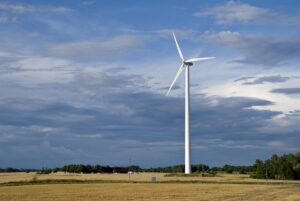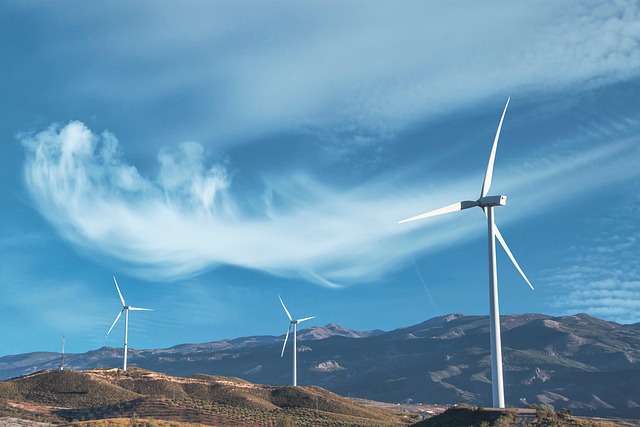

Lightning Strikes an Eolic Turbine, in Marão Hills, Portugal
The Marão Hills in northern Portugal present one of the most challenging environments for eolic turbine operation. The region’s high elevation, steep gradients, and frequent thunderstorms make it a hotspot for lightning activity. A direct strike on a turbine here can trigger complex electrical and mechanical responses. Data from field inspections show that even well-protected turbines may experience partial damage if grounding or bonding systems degrade over time. The engineering conclusion is clear: in mountainous regions like Marão, lightning protection must be treated as a dynamic system rather than a static design feature.
Environmental and Geographical Context of Marão Hills
The Marão Hills’ unique geography shapes both the frequency and severity of lightning strikes on eolic turbines. Elevation, local humidity, and wind turbulence interact to create conditions where electrostatic charge builds rapidly before storms.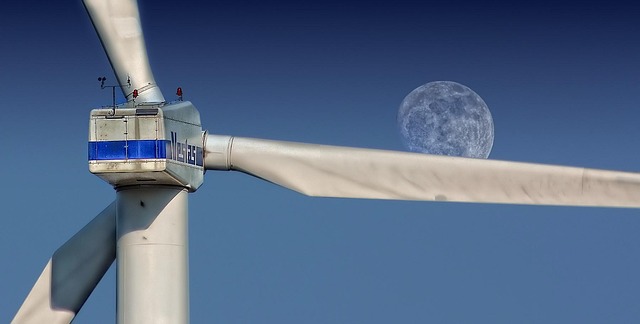
Atmospheric and Meteorological Conditions in Marão Hills
At over 1,400 meters above sea level, the Marão range experiences dense cloud formation and persistent moisture layers. These factors contribute to frequent thunderstorm development during spring and autumn months. Wind intensity often exceeds 20 m/s at ridge lines, generating strong turbulence that increases blade exposure to charged particles. Seasonal variations further influence lightning probability—summer brings convective storms with high discharge energy, while winter produces fewer but longer-duration events with higher ground currents.
Topographical Influence on Lightning Activity
The topography acts as a natural amplifier for electrical discharges. Elevated ridges serve as preferential channels for lightning attachment since potential differences between clouds and peaks are maximized. Geological surveys indicate that granitic formations dominate the region; these have moderate conductivity compared to basaltic rock, affecting how current dissipates into the ground after impact. Moreover, proximity between turbines along the same ridge can alter strike distribution patterns—one tower may shield another depending on relative height and spacing.
Structural Vulnerability of Eolic Turbines to Lightning Strikes
Eolic turbines are tall metallic structures surrounded by rotating composite surfaces—an ideal target for atmospheric discharges. Their aerodynamic design enhances energy capture but also increases electrical exposure.
Aerodynamic Design and Exposure Factors
Blade length plays a crucial role in strike likelihood: modern turbines exceeding 70 meters per blade present large conductive surfaces that extend into charged air layers. Orientation relative to prevailing wind affects where potential gradients concentrate during storm buildup. The composite materials used—typically glass or carbon fiber reinforced polymers—show varying resistivity levels; carbon composites conduct better but can suffer localized heating at attachment points. The nacelle’s metallic housing often becomes the primary strike receptor because it provides a low-impedance path toward internal conductors.
Electrical Pathways During a Lightning Event
When lightning attaches to a blade receptor, current travels through embedded conductors toward the hub and nacelle before reaching the grounding network. If any connection point shows poor bonding or corrosion, current diversion may occur through unintended paths such as bearing assemblies or control cables. This can cause insulation breakdown or electronic failure in converter units. Properly designed down conductors must handle peak currents exceeding 200 kA without arcing or thermal degradation.
Thermal Stress Effects on Blade Materials
Thermal stress from rapid heating can lead to delamination within composite layers or microfractures around receptor mounts. These defects often remain invisible externally but propagate under cyclic loads during normal operation. Over time, they reduce structural stiffness and aerodynamic efficiency, demanding detailed ultrasonic inspection after each major storm season.
Lightning Protection Systems in Modern Eolic Turbines
Lightning protection systems (LPS) integrate mechanical design with electrical safety mechanisms to channel high-energy discharges safely into the ground without damaging sensitive components.
Components of an Effective Lightning Protection System (LPS)
Air Terminals and Receptors
Receptors are positioned near blade tips where strikes most frequently occur. They intercept discharges before they penetrate structural laminates, preserving aerodynamic integrity while offering controlled entry points for current flow.
Conductive Down Paths
Internal copper or aluminum conductors guide current from receptors through blades into the hub assembly. Their routing minimizes sharp bends that could induce voltage concentration or partial discharge phenomena within insulation layers.
Grounding Networks and Surge Arresters
A robust grounding system dissipates residual energy into surrounding soil while surge arresters protect control electronics from transient overvoltages transmitted through power circuits. Periodic soil resistivity testing confirms whether grounding remains effective under varying moisture conditions typical of mountain climates.
Standards and Certification Requirements for Lightning Protection
IEC 61400‑24 provides detailed design criteria for wind turbine lightning protection systems, specifying test voltages, conductor sizing, and continuity verification methods. Compliance ensures coordinated performance between mechanical components and electrical pathways during extreme events. Certified maintenance programs require periodic resistance checks across all conductive joints to detect early corrosion or loosening that might compromise safety margins.
Assessing the Impact of a Direct Strike on a Turbine in Marão Hills
When an eolic turbine in Marão Hills sustains a direct strike, multiple subsystems experience transient stress simultaneously—from rotor blades to power converters inside the tower base.
Potential Damage Scenarios from Direct Strikes
Localized melting at receptor interfaces is common due to intense heat fluxes exceeding several thousand degrees Celsius within milliseconds. Generator insulation may fail if induced voltages exceed dielectric thresholds of winding materials. Control systems located in nacelles can malfunction temporarily due to electromagnetic interference even when physical damage is absent.
Post-strike Diagnostic Procedures and Recovery Strategies
After each event detected by monitoring sensors, technicians perform non-destructive testing using thermography or ultrasonic scanning to locate hidden delaminations inside blades. Data loggers integrated into turbine controllers record waveform characteristics such as peak amplitude and duration; engineers use these records for forensic analysis of system response efficiency. Damaged receptors or conductors are replaced immediately since minor defects can magnify during subsequent strikes.
Engineering Strategies for Enhanced Lightning Resilience in Mountainous Sites
Mountainous wind farms demand specialized adaptations beyond standard LPS designs due to harsher weather dynamics and limited access for maintenance crews.
Material Innovations for Blade Conductivity Management
Integrating carbon fiber layers within blade skins enhances charge dissipation across broader surfaces without adding significant weight. Nanocomposite coatings further improve surface conductivity while resisting erosion from rain or ice particles—a critical advantage at high altitudes where icing is frequent.
Advanced Monitoring and Predictive Technologies
Real-time Lightning Detection Systems
Modern sensors installed around turbine clusters detect local electric field variations minutes before discharge occurs. This allows automated shutdown sequences or pitch adjustments that reduce structural stress during impending storms.
Predictive Maintenance Algorithms
Machine learning models now correlate meteorological data with component wear indicators such as temperature gradients or vibration patterns to forecast vulnerability periods more accurately than manual inspection schedules could achieve.
Operational Considerations for Wind Farms in High-Risk Areas like Marão Hills
Operational planning determines how effectively wind farms sustain productivity while minimizing downtime from lightning-related incidents.
Site Planning and Turbine Placement Optimization
Turbine layout considers ridge orientation so that no single unit bears disproportionate exposure to prevailing storm fronts. Electrical interconnections include sectional isolators preventing cascading failures when one tower experiences overvoltage transients transmitted along collector lines.
Safety Protocols During Thunderstorm Events
Automated control software initiates safe shutdowns once electric field sensors exceed predefined thresholds, reducing mechanical load on blades spinning under unstable airflows. Personnel evacuation procedures follow national safety codes requiring all outdoor activity suspension during active thunderstorm alerts issued by Portuguese meteorological authorities.
FAQ
Q1: Why are eolic turbines more vulnerable to lightning in mountainous areas?
A: Elevated terrain increases exposure height relative to cloud bases, raising electric field intensity around turbine structures.
Q2: What standard governs lightning protection design for wind turbines?
A: IEC 61400‑24 defines technical specifications for designing effective lightning protection systems across all turbine classes.
Q3: How do engineers detect hidden damage after a strike?
A: They use non-destructive testing tools like ultrasound imaging or infrared thermography combined with event data logs recorded by onboard sensors.
Q4: Can improved materials fully prevent blade damage?
A: No material eliminates risk entirely; innovations such as carbon reinforcement only reduce severity by distributing current more evenly across surfaces.
Q5: How often should grounding resistance be tested?
A: Annual measurements are recommended in humid regions like Marão Hills since soil conductivity changes seasonally with moisture content fluctuations.