
BYD Outsold Tesla in Europe’s Two Largest EV Markets Last Year as the
Europe’s electric vehicle (EV) landscape has entered a new phase. BYD, the Chinese automaker once seen as a challenger, surpassed Tesla in sales across Germany and France—the continent’s two largest EV markets. This shift signals a deeper structural change in how localization, manufacturing strategy, and consumer sentiment shape competition. While Tesla still leads in brand prestige and technology perception, BYD’s rapid localization within Europe has given it a pricing and supply advantage that resonates strongly with both regulators and cost-conscious buyers.
Overview of the Competitive Landscape in Europe’s EV Market
The European EV market has evolved from early adoption to mass competition. Once dominated by Tesla, the field now includes aggressive entrants like BYD, which combine cost efficiency with regional adaptation.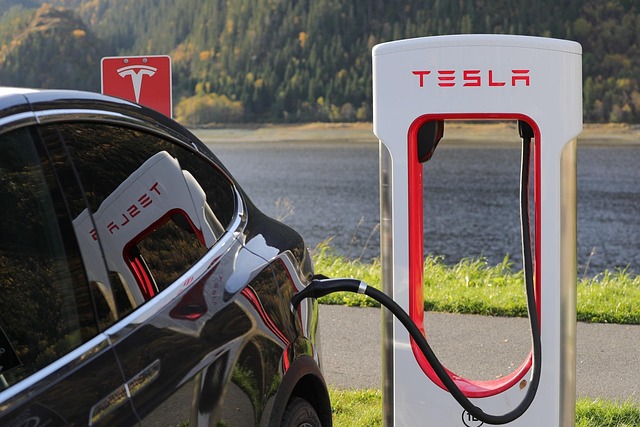
Shifting Market Dynamics Between BYD and Tesla
Tesla’s early dominance stemmed from its first-mover advantage and strong brand appeal among tech-savvy European consumers. However, as infrastructure matured and more affordable models entered the market, BYD capitalized on demand for accessible electric mobility. In 2023, BYD’s share grew notably across Western Europe as it introduced locally assembled models that undercut Tesla’s prices by up to 15%. European consumers increasingly favor practical range, reliability, and price over luxury branding—factors that have tilted momentum toward BYD.
The Role of European Consumer Preferences and Regulatory Frameworks
European regulations emphasizing carbon neutrality by 2035 have accelerated EV adoption. Governments offer subsidies favoring vehicles produced within the EU, which aligns with BYD’s localized approach. Consumers also show preference for brands contributing to local economies through job creation and shorter supply chains. These preferences reinforce the strategic value of local production in building trust among environmentally conscious buyers.
The Significance of Localization Strategies in EV Expansion
Localization has become central to winning Europe’s EV race. Beyond logistics savings, it affects brand legitimacy and long-term policy alignment.
Importance of Localized Manufacturing, Supply Chains, and Partnerships
Localized manufacturing reduces dependency on volatile global shipping networks while improving responsiveness to regional demand shifts. For instance, establishing battery assembly plants within Europe allows automakers to avoid import tariffs on components sourced from Asia. Partnerships with local logistics providers further streamline distribution networks across EU borders.
How Localization Influences Pricing, Logistics, and Brand Perception
Producing vehicles closer to end markets lowers transportation costs and mitigates currency fluctuations. This allows brands like BYD to maintain competitive pricing even during raw material inflation cycles. Moreover, localized operations enhance brand perception—consumers view such firms as contributors rather than outsiders exploiting subsidies.
Comparative Analysis of Global vs Localized Business Models for EV Brands
Tesla historically relied on a global model centered around large-scale Gigafactories serving multiple continents. In contrast, BYD follows a modular localization strategy—smaller but regionally integrated plants optimizing for speed and adaptability. The latter approach offers resilience against geopolitical risks that can disrupt transcontinental supply chains.
BYD’s Strategic Localization Approach in Europe
BYD has deliberately aligned its European expansion with local industrial priorities—manufacturing presence, compliance with EU sustainability standards, and collaboration with domestic partners.
Establishment of Local Production and Assembly Facilities
BYD’s decision to establish assembly facilities in Hungary marked a turning point. Local production significantly reduces import duties applied to Chinese-made vehicles while improving delivery timelines by weeks compared to ocean freight routes. These factories also generate local employment opportunities that strengthen government relations—a factor often overlooked but politically critical for long-term acceptance.
Tailoring Products to European Market Needs
BYD modifies its vehicle lineup for European standards by integrating advanced safety systems compliant with Euro NCAP protocols and adopting interior designs suited to colder climates prevalent in Northern Europe. Compatibility with regional charging networks such as Ionity ensures seamless user experience—a key differentiator among fleet operators transitioning from diesel fleets.
Building Partnerships with Local Stakeholders
The company collaborates extensively with European distributors and energy companies to expand charging access points near urban centers. Joint ventures on battery recycling initiatives demonstrate commitment to circular economy goals outlined under EU Green Deal frameworks. Such partnerships not only enhance operational efficiency but also position BYD as an environmentally responsible stakeholder rather than merely an exporter.
Tesla’s Positioning and Response to Localization Challenges
Tesla remains a technological leader but faces structural challenges adapting its centralized model to fragmented European regulatory environments.
Tesla’s Centralized Manufacturing Model
Most Tesla vehicles sold in Europe were historically produced outside the continent—mainly at factories in Shanghai or Fremont—before being shipped across regions. This setup exposes the company to fluctuating shipping costs and extended delivery times that can erode margins when competing against locally built alternatives like BYD models produced within EU borders.
Adaptation Efforts Through Gigafactory Berlin-Brandenburg
Gigafactory Berlin was envisioned as Tesla’s anchor for European production autonomy. While operational now, its rollout faced hurdles including environmental reviews delaying construction permits and workforce disputes over wage parity compared with German automakers. Nonetheless, once fully scaled, this facility could enable localized R&D focused on battery chemistry adapted for colder climates—a domain where Chinese competitors already excel.
Market Performance Indicators: Did BYD Surpass Tesla?
Sales data across major markets reveal how consumer behavior translates into measurable outcomes for both brands.
Comparative Sales Data Across Key European Markets
In Germany and France combined, BYD delivered more units than Tesla during Q4 2023—driven primarily by compact SUV segments priced below €40,000. Meanwhile, Tesla maintained leadership only in premium sedan categories such as the Model S and Model 3 Performance variants popular among business fleets in Norway and the UK.
Brand Perception and Consumer Trust Metrics
Surveys conducted by automotive research groups show that while Tesla retains strong innovation credentials, concerns about service accessibility persist outside metropolitan areas. Conversely, BYD benefits from expanding after-sales partnerships offering faster maintenance turnaround times—a factor heavily influencing repeat purchases among private owners.
Role of Sustainability Narratives in Shaping Public Opinion
European consumers increasingly evaluate brands through sustainability narratives rather than performance metrics alone. BYD’s closed-loop battery recycling programs resonate strongly amid growing scrutiny of rare-earth material sourcing practices across Asia-Pacific suppliers.
Economic and Policy Factors Influencing Market Outcomes
Policy frameworks remain decisive drivers shaping competitiveness between domestic producers and international entrants.
Impact of EU Trade Policies on EV Competitiveness
The EU imposes tariffs on imported vehicles manufactured outside member states but offers incentives for firms investing locally through green industrial programs like IPCEI (Important Projects of Common European Interest). Such policies directly benefit companies establishing production bases within Europe while disadvantaging exporters relying solely on offshore facilities.
Supply Chain Resilience Amid Global Disruptions
BYD operates one of the most vertically integrated supply chains globally—from raw material processing to battery cell manufacturing—which cushions it against shortages affecting rivals dependent on third-party suppliers. In contrast, Tesla’s reliance on diversified supplier networks exposes it more acutely to lithium or nickel price spikes triggered by geopolitical tensions or mining restrictions.
Future Outlook: Sustainability of BYD’s Localization Advantage
The coming years will test whether localization continues delivering structural advantages or if innovation cycles reassert dominance as primary differentiators.
Potential Expansion Scenarios Within the EU Market
Industry analysts anticipate that BYD may announce additional assembly sites in Central or Southern Europe by 2026 targeting economies like Spain or Poland where labor costs remain competitive yet infrastructure is mature enough for large-scale logistics integration.
Long-Term Implications for Global EV Competition
If current trends persist, localization could redefine global EV competition standards much like emissions norms did two decades ago. While Tesla may retain leadership through software innovation and autonomous driving systems development, operational adaptability exemplified by BYD could set new benchmarks for sustainable growth models balancing cost control with policy alignment.
FAQ
Q1: Why did BYD surpass Tesla in some European markets?
A: Because localized production allowed lower prices, faster delivery times, and better alignment with EU incentives promoting regional manufacturing investment.
Q2: Does Tesla still lead technologically despite lower sales?
A: Yes. Tesla maintains an edge in software integration and autonomous driving capabilities though its cost structure limits flexibility compared with localized competitors.
Q3: How do EU trade policies affect foreign EV makers?
A: Tariffs penalize imports from non-EU factories while offering tax credits or grants for those investing domestically under green transition frameworks.
Q4: What role does consumer sentiment play?
A: Buyers increasingly value sustainability commitments such as recycling programs or local job creation over purely performance-based attributes.
Q5: Could localization become mandatory for market survival?
A: Not formally mandatory yet practically essential since future emission targets will favor automakers embedded within regional ecosystems capable of meeting evolving compliance standards swiftly.