

Tesla Hits Record Month of Sales in May as Australia EV Surge Continues
Tesla achieved its highest-ever monthly sales in Australia this May, signaling a pivotal moment for the nation’s electric vehicle (EV) transition. The brand’s performance underscores how fast the Australian market is evolving from niche enthusiasm to mainstream adoption. Strong policy support, improved affordability, and expanding charging infrastructure have created an environment where Tesla’s strategic pricing and reliable supply chain are paying off. The data suggests that Tesla is not just leading the EV race—it is redefining it, setting new benchmarks for both competitors and policymakers.
Tesla’s Record Sales Performance in May
Tesla’s milestone month reflects broader shifts within the Australian automotive landscape. The combination of favorable policies, infrastructure rollout, and consumer confidence has created fertile ground for growth.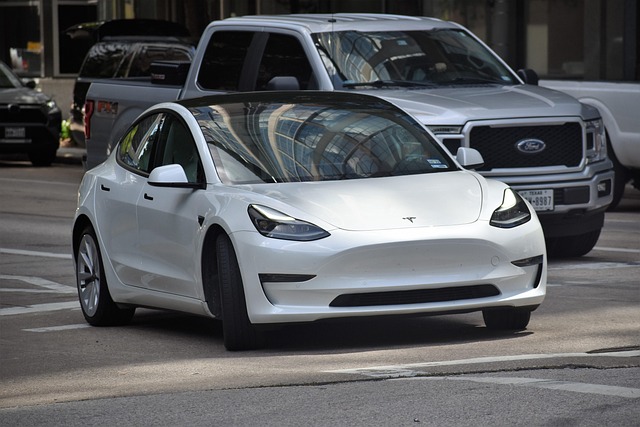
Market Context Behind Tesla’s Surge
The Australian EV market has transformed rapidly over the past two years. Once dominated by hybrids and early adopters, it now attracts mainstream buyers seeking performance and lower running costs. Economic conditions—such as rising fuel prices and improved financing options—have further boosted demand. Government incentives, including fringe benefits tax exemptions for EVs under certain price thresholds, have also encouraged fleet purchases. Compared with last year, monthly EV sales have more than doubled, showing that momentum is accelerating rather than plateauing.
Tesla’s Sales Data and Market Share Dynamics
Tesla’s record-breaking performance came primarily from its Model Y and Model 3 lines, which together accounted for most of its deliveries in May. Analysts estimate that Tesla captured more than half of all EV registrations nationwide during the month. This dominance reflects both supply consistency and strong brand equity. While other automakers faced shipping delays or limited allocations, Tesla maintained steady inventory flow through efficient logistics planning. Its recent price reductions across key models also expanded accessibility without eroding margins significantly—a balance few rivals have managed to achieve.
The Broader Electric Vehicle Market Momentum in Australia
Beyond Tesla’s success lies a broader story: Australia’s EV sector is entering a phase of structural growth supported by regulation and infrastructure investment.
Policy and Regulatory Support for EV Growth
Federal initiatives such as the National Electric Vehicle Strategy have aligned with state-level programs offering rebates up to several thousand dollars per vehicle. These measures reduce upfront costs while signaling long-term policy stability. Infrastructure grants are funding thousands of public charging stations nationwide, narrowing regional disparities in access. Emission reduction targets are compelling corporate fleets to transition earlier than expected, creating steady baseline demand even if private purchases fluctuate seasonally.
Competitive Landscape Among EV Manufacturers
Competition is intensifying as brands like BYD, Polestar, Hyundai, and Kia expand their lineups. BYD appeals through affordability; Polestar focuses on design-driven premium buyers; Hyundai and Kia emphasize reliability and warranty coverage. Yet Tesla maintains an edge through software updates, integrated energy products, and a robust Supercharger network. Its dominance forces rivals to rethink pricing structures and local assembly plans to remain viable in a market increasingly shaped by consumer expectations around technology integration.
Consumer Behavior Trends Driving EV Adoption
Consumer motivation has shifted decisively toward sustainability combined with practicality. The perception of EVs as luxury novelties is fading fast.
Shifts in Buyer Preferences Toward Sustainability and Technology
Environmental awareness now plays a measurable role in purchase decisions. Buyers view EVs not only as eco-friendly but also as technologically superior alternatives offering lower total cost of ownership. Improvements in battery range—often exceeding 500 km per charge—and seamless smartphone integration enhance appeal across demographics. Urban households lead adoption due to easier access to home charging, but regional uptake is improving thanks to highway charger expansion.
The Role of Charging Infrastructure Expansion
Australia’s public charging network has grown substantially across major corridors linking Sydney, Melbourne, Brisbane, Perth, and Adelaide. Partnerships between automakers and energy providers are accelerating deployment of high-speed chargers capable of adding hundreds of kilometers of range within minutes. These developments reduce range anxiety—a key psychological barrier—and make long-distance travel feasible for more drivers. As infrastructure density increases, adoption curves typically steepen further.
Economic and Energy Implications of Rising EV Penetration
The surge in tesla electric car sales carries ripple effects across mining, manufacturing, and energy sectors—areas where Australia holds strategic advantages.
Impact on the Automotive Supply Chain and Local Manufacturing Potential
Growing demand for batteries heightens interest in domestic processing of lithium and nickel resources rather than exporting raw materials alone. Industry observers suggest that localized cell manufacturing could emerge near resource hubs if policy incentives align with investment appetite. However, challenges remain: workforce training gaps, technology licensing hurdles, and logistics costs could slow progress despite political enthusiasm.
Integration with Australia’s Renewable Energy Transition
EV proliferation aligns closely with national goals for renewable generation expansion. As solar capacity rises on household rooftops, daytime charging becomes increasingly sustainable. Emerging vehicle-to-grid (V2G) pilots hint at future scenarios where parked cars help stabilize power networks during peak demand periods. Over time this synergy may transform both mobility economics and grid management strategies while contributing materially to emission reduction commitments under international frameworks such as the Paris Agreement.
Is Tesla Leading a New Phase of EV Growth?
Tesla’s record month may signify more than short-term success—it could mark the beginning of mass-market normalization for electric mobility in Australia.
Indicators Suggesting Market Maturity Beyond Early Adoption Stage
Consistent monthly growth rates indicate that consumer confidence has solidified beyond early adopters into mainstream acceptance. Price adjustments have brought entry-level variants within reach of middle-income households without diluting brand prestige. Dealership traffic patterns show increasing cross-shopping between Teslas and traditional combustion vehicles rather than other premium electrics—a clear sign that boundaries between segments are dissolving.
Strategic Outlook for the Next 12–24 Months
Looking ahead, diversification appears central to sustaining momentum. New Model Y variants tailored to regional preferences may broaden appeal further while upcoming software features enhance residual values through continuous upgrades. Policymakers are expected to refine incentive structures toward infrastructure resilience rather than direct subsidies as adoption scales up. If current trends persist, Tesla’s continued performance could redefine competitive baselines across pricing tiers and accelerate Australia toward its target share of zero-emission vehicles well before mid-decade projections.
FAQ
Q1: What made May a record month for Tesla sales in Australia?
A: Strong supply availability combined with price revisions on core models enabled record deliveries amid rising national EV demand.
Q2: How does Tesla compare with other electric car brands in Australia?
A: It leads by volume share thanks to established infrastructure support and consistent product updates that keep models competitive technologically.
Q3: Are government incentives still essential for EV growth?
A: Yes, rebates and tax exemptions continue to lower entry barriers though long-term momentum increasingly depends on infrastructure maturity.
Q4: What role does charging infrastructure play in adoption rates?
A: Expanded networks reduce range anxiety by allowing convenient intercity travel which directly correlates with higher purchase intent among hesitant buyers.
Q5: Could local manufacturing support future EV expansion?
A: Potentially; leveraging domestic mineral resources could shorten supply chains but requires coordinated investment policies to materialize efficiently.