
Homeowners Turn to Solar Panels as Oil Prices Rise
Rising oil prices are reshaping global energy strategies, pushing homeowners and businesses toward solar panels as a practical hedge against market volatility. When fossil fuel costs surge, electricity bills follow, driving demand for stable and predictable alternatives. Solar energy systems, with their declining installation costs and independence from commodity markets, now offer a compelling economic case. Across regions where oil remains a key input in power generation, the shift toward solar is not just environmental—it’s financial prudence.
The Relationship Between Rising Oil Prices and Renewable Energy Adoption
When oil prices climb, the ripple effects extend far beyond transportation fuel. Electricity markets, industrial operations, and household budgets all feel the pressure. This dynamic often accelerates renewable energy adoption as consumers and investors seek stability.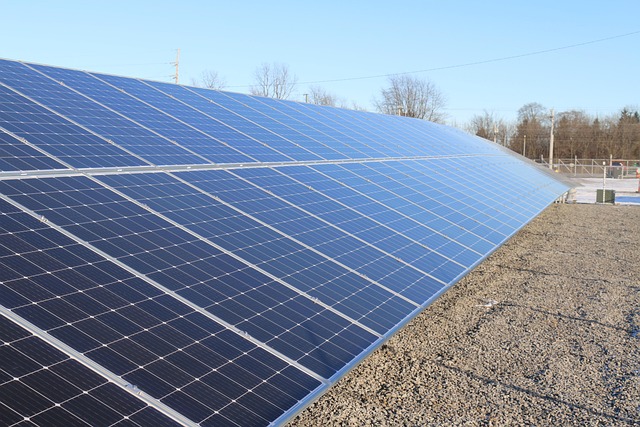
Understanding the Economic Link Between Oil and Energy Markets
Global oil price fluctuations directly affect electricity generation costs in countries reliant on oil-fired plants. As fuel expenses rise, utilities pass higher rates to consumers. In contrast, renewables like solar operate independently of such price swings. Historically, high oil prices have spurred investment in alternative energy sources because they make renewables comparatively more attractive. Market volatility also compels policymakers to diversify national energy portfolios to avoid overreliance on any single resource.
Historical Patterns of Energy Transition During Oil Price Surges
Past oil crises—such as those in the 1970s and early 2000s—triggered major shifts in research funding and policy focus toward renewables. Governments introduced incentives for solar panel adoption during these periods to reduce exposure to imported fuels. Market data show cyclical interest in clean technologies tied closely to fossil fuel cost trends. Each surge has left behind infrastructure and regulatory frameworks that later became permanent fixtures of national energy strategies.
Solar Panels as a Strategic Response to Energy Market Volatility
As energy markets become less predictable, solar panels stand out for their ability to stabilize long-term costs. Unlike conventional fuels subject to geopolitical tensions or supply disruptions, sunlight remains free and abundant.
The Economic Rationale for Solar Adoption Amid Rising Oil Prices
Solar power offers a fixed-cost structure once installed, shielding users from fuel-driven inflation. For homeowners facing escalating utility bills linked to oil-based generation, solar installations provide measurable savings over time. Businesses use rooftop systems or ground-mounted arrays as hedging tools against volatile operating expenses. This financial predictability strengthens balance sheets and appeals to investors seeking resilience.
Comparative Analysis: Solar Power Versus Fossil Fuels in Cost Efficiency
The cost of photovoltaic (PV) modules has dropped by more than 80% over the past decade according to data from the International Renewable Energy Agency (IRENA). Lifecycle assessments consistently show lower operational expenses for solar compared with fossil-fueled plants since there are no ongoing fuel purchases or emission compliance costs. In many regions—southern Europe, parts of Asia, and the U.S.—solar has reached grid parity, meaning it generates electricity at equal or lower cost than conventional sources without subsidies.
Technological Advancements Strengthening the Case for Solar Panels
Innovation continues to expand what solar systems can deliver. Improvements in efficiency, storage integration, and digital control are transforming how households consume power.
Innovations Enhancing Efficiency and Storage Capacity
New PV materials such as perovskite cells have achieved conversion efficiencies exceeding 25% in laboratory conditions under International Electrotechnical Commission (IEC) testing standards. Battery technologies—from lithium-ion to emerging solid-state chemistries—now allow users to store surplus daytime production for evening use. Smart grid platforms coordinate distributed resources so that local supply matches demand more effectively throughout the day.
Integration of Solar Systems into Broader Energy Infrastructure
Hybrid configurations combining solar with wind or hydrogen production enhance reliability during variable weather patterns. Distributed generation models decentralize supply networks, reducing dependency on large fossil-based grids vulnerable to disruption. Digital monitoring tools track performance metrics in real time, allowing predictive maintenance that extends system lifespan while minimizing downtime.
Policy and Market Dynamics Supporting Solar Expansion
Economic logic alone does not drive adoption; supportive policies amplify market confidence and accelerate deployment across sectors.
Government Incentives and Regulatory Frameworks Driving Adoption
Many governments maintain tax credits or feed-in tariffs that improve project economics for residential systems. Renewable portfolio standards set mandatory targets for clean energy share within national grids. Net metering policies reward small producers by offsetting electricity exported back into the grid at retail rates. Stability in these regulations remains essential for sustaining investor trust over multi-decade asset lifecycles.
The Role of Corporate Strategy in Renewable Energy Transition
Corporations increasingly integrate renewable commitments into their ESG frameworks to align with investor expectations and consumer values. Power purchase agreements (PPAs) lock in long-term electricity prices from solar farms, protecting companies from fossil fuel volatility while meeting sustainability goals. Large-scale adopters—from tech firms to manufacturers—view onsite or contracted solar power as both an environmental duty and a financial safeguard.
Assessing the Strategic Viability of Solar Panels in a High-Oil Price Environment
The relationship between oil markets and renewable economics is not purely reactive; it defines strategic planning horizons for both households and institutions seeking durable returns.
Financial Modeling of Long-Term Returns from Solar Investments
When oil prices rise sharply, payback periods on solar installations shorten because competing grid rates increase faster than fixed system costs. Financial models incorporating sensitivity analysis show that even moderate price hikes can improve internal rate of return (IRR) projections by several percentage points annually. Institutional investors now treat solar infrastructure funds as hedges against fossil market instability due to their predictable cash flows.
Geopolitical Implications of Shifting from Oil Dependence to Solar Independence
Reducing dependence on imported oil enhances national security by insulating economies from external shocks or embargoes. Countries investing early in large-scale solar capacity gain strategic leverage through domestic energy autonomy and exportable technology expertise. Diversification into renewables also mitigates exposure to geopolitical supply disruptions—a lesson reinforced each time global crude markets tighten unexpectedly.
FAQ
Q1: How do rising oil prices affect household electricity costs?
A: In regions where power generation relies partly on oil-fired plants, higher crude prices lead utilities to raise tariffs, increasing monthly bills for consumers.
Q2: Why are solar panels considered a hedge against inflation?
A: Once installed, solar systems produce electricity at near-zero marginal cost for decades, making them immune to fuel-driven inflation that affects traditional utilities.
Q3: Are current government incentives enough to make residential solar affordable?
A: In most developed markets, tax credits combined with falling equipment prices have reduced payback periods below ten years for typical households.
Q4: What role does battery storage play in maximizing solar benefits?
A: Batteries capture excess daytime output for evening consumption or emergency backup, improving self-sufficiency and reducing reliance on grid imports during peak hours.
Q5: Can widespread adoption of solar panels influence global geopolitics?
A: Yes, nations reducing fossil imports through domestic renewables strengthen their economic sovereignty while lowering exposure to international supply risks tied to oil markets.