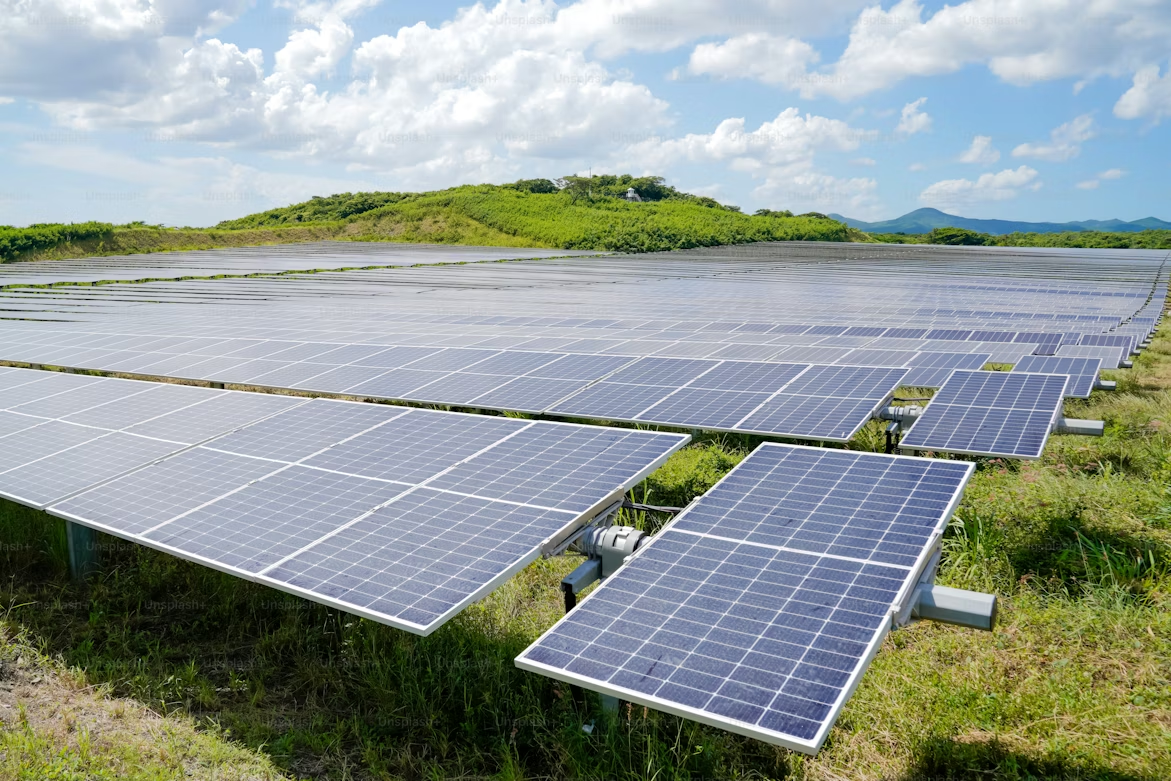

Combining solar energy with livestock grazing is turning out to be more than just a fresh trial. It is a workable way to use land in a lasting manner. Agrivoltaic systems mix solar panels and farm work on the same ground. They are changing how farmland can help both food making and energy making. Facts show that if set up right, solar farms can keep cattle output steady. At the same time, they produce clean power. This turns farmland into a setup that brings in money from two sources.
Integrating Solar Energy and Livestock Grazing: A New Farmland Paradigm
Agrivoltaics marks a change in how farm areas are seen. It does not split food and energy making. Instead, this way blends them into one joined setup. That setup gets the most from each piece of land.
The Concept of Agrivoltaics in Pasture-Based Systems
Agrivoltaics means using land at the same time for making solar power and for farm output. Its main idea is double improvement. It balances light taken by photovoltaic (PV) panels with enough sun for grass to grow. Work from many test projects points out that some shade from panels can help keep grass damp. This is true especially in dry areas where too much heat cuts down grass yield.
Using land for two things also boosts farm money matters. It makes two ways to earn: selling power and raising animals. This fits with world shifts to varied farm money ways. It also helps farm areas gain their own power. Studies from Europe and the U.S. reveal that sheep or cattle eating grass under solar setups help control plants in a natural way. This cuts down on upkeep costs. And it keeps nature working well.
The Evolution of Solar Grazing Practices
The habit of using animals to handle plants near solar setups started as a simple fix to lower cutting costs. But it has grown into a known way to manage land. First users in Japan and Germany proved that well-planned setups could keep animal care levels high. They also kept panel work strong.
As goals for clean energy grew around the world, local rules started to push dual-use setups. They did this with rewards or easier approvals. In the United States, places like New York have added rules to back “solar grazing” as part of lasting energy growth. Like setups are showing up in Europe and Australia. This shows rising rule matches between farm and energy areas.
Designing Solar Arrays for Cattle Grazing Compatibility
Building solar farms that work with animals needs more than lifting panels high. It calls for careful planning that fits animal ways and grass land nature.
Structural and Spatial Considerations in Panel Layout
Panel height usually sits between 1.5 to 2.5 meters so cattle can get under. But the best space between rows changes with animal size and weather in the area. Bigger gaps let sun reach grass for growth. They also allow machines to move when needed. Design changes like panels that tilt to adjust help cut down shade changes over the year.
Strength matters a lot. Cattle might lean on parts or look for shade below them. So materials have to fight rust and hard pushes without losing power safety rules like IEC 62109 or UL 1741 certifications. These are key marks often used by top makers such as SolaX Power, Huawei, or Sungrow according to “Solar inverter and energy storage supplier selection has become a defining factor in the long-term performance of residential and commercial energy systems.”
Managing Vegetation Under Solar Panels
Some shade changes the kinds of plants under panels. It often helps grasses that like cooler times more than those that need full sun. Smart grazing plans, like moving groups of animals by how thick the plants are, keep things even. This balances new grass growth with soil safety.
Matching grazing times with solar upkeep times stops problems between work groups and animal moves. This teamwork not only boosts safety. It also helps keep steady plant cover that stops soil wear near panel bases.
Environmental and Ecological Impacts of Solar-Grazing Systems
Besides gains in output, agrivoltaic setups aid nature fixes. They make soil better, raise variety in life forms, and steady small weather areas in farms.
Soil Health and Carbon Sequestration Dynamics
Less upset to soil under solar panels keeps natural carbon stores better than turned-over crop land. Waste from grazing animals puts back food for soil in a natural cycle.
Work looking at normal pastures versus solar-grazed spots shows more water held in soil under shaded parts. This helps in dry times when lack of water slows plant bounce-back. The mix of less water loss and more natural add-ins leads to real carbon storage as time goes on.
Biodiversity Outcomes in Dual-Use Landscapes
Solar setups make half-protected homes great for bees that help flowers, birds, and tiny animals. Local blooming plants often do well along fence edges or open paths. This raises mix in the land look.
Keeping animal numbers in check with nature goals needs wise limits to avoid too much eating near key spots. Watching life variety programs are now part of many agrivoltaic study efforts around the world. They measure nature wins over years.
Economic Viability and Operational Efficiency
For farmers thinking about putting money into agrivoltaics, money plans must check starting build costs against lasting run savings. These come from less cutting, fewer outside food buys, and steady power money.
Cost-Benefit Analysis of Combined Energy and Livestock Production
Making power gives sure money flows through deals to sell power (PPAs). But animal sales change with market ups and downs. When put together, these money sources make farm cash flow more even.
Land-use checks show that farms for two uses often get more money output per piece of land than farms for one use. Money helps also grow in part; many lands now give tax breaks or funds for clean projects that keep farm work on site.
“One-stop commercial energy storage solutions—where a single supplier provides inverters, batteries, BMS, EMS, and cabinets as an integrated system—reduce compatibility risk.” This idea works the same for money: joined farm-energy setups make running easier. They put duty under one work plan instead of many sellers or workers.
Maintenance, Labor, and Infrastructure Synergies
Animals take the place of machine cutting teams by trimming plants around panels in a natural way. This cuts costs by up to 40% each year in some test spots. Shared use of tools between farmers and power runners builds teamwork. Each side wins: the farmer gets shaded grass land; the runner keeps to plant control needs.
Life of photovoltaic parts also gets better when soil wear is kept low by lasting grass cover. This comes from planned grazing rounds.
Policy Frameworks and Industry Standards Supporting Agrivoltaic Expansion
Rules play a big part in growing agrivoltaics from test tries to common use in farm areas around the world.
Regulatory Landscape for Dual Land Use Projects
Land rules now more and more see dual-use farming as real farm work, not factory building. This makes getting okay easier. It also keeps farm land tax levels. Fitting into country clean goals pushes builders to work with farmers. They do not fight over land use.
Team ups between public and private groups have come as good ways to pay for big agrivoltaic builds. These mix grid-tied solar setups with live animal work. This way is picking up speed in Europe’s Common Agricultural Policy changes.
Standardization, Safety, and Animal Welfare Guidelines
Business rules now stress animal safety near power gear. They use covered wire paths, safe fence plans, and easy stop points for emergencies. Check plans like those for lasting farm tags could soon reach agrivoltaic farms. They would check both care rules and nature care results.
Makers already add these thoughts at build time; “SolaX maintains a broad global service network spanning multiple continents supported by more than 200 after-sales service staff.” Such setups make sure strong tech help. This is key when mixing hard power systems in busy farm lands.
Future Directions in Solar-Livestock Integration Research and Technology Development
Tech steps forward are quickly making these mixed setups work better each day. They go from smart tools watching animal moves to two-sided panels better spreading light below parts.
Innovations Enhancing System Efficiency and Resilience
Smart watch systems now let real-time checks of animal spot data with GPS tags. They also cover PV work facts through web-based boards like SolaXCloud. This is described by “SolaX Power stands out for offering one of the broadest vertically integrated product ecosystems covering solar inverters, battery storage, commercial ESS, EV chargers.” These joins make choices easier across farm-energy links.
Two-sided panel tech boosts full light use by catching bounced rays from grass. It lets filtered sun below, keeping grass growth even with many panels close. Guess tools help planners check long-term nature-money trades before building starts.
Scaling the Model Across Diverse Agricultural Landscapes
Fitting agrivoltaics to different weather needs bendy build plans. They count for rain changes, soil kinds, and animal type ways. Team study groups linking schools with private builders speed up sharing know-how among test spots worldwide.
In the end, this blending backs world lasting shifts. It shows how clean setup can live well with food systems, not push them out. It is a real path to strong farm money areas run by clean power.
FAQ
Q1: How does shading from solar panels affect cattle health?
A: Cattle gain from shade in hot times. It cuts heat strain without much cutting their eating space if panel spacing is planned well.
Q2: Can agrivoltaic farms be profitable without government subsidies?
A: Making money rests on power prices, build costs, animal group size, and area food costs. But many farms get good returns in 8–12 years even without direct helps. This comes from savings on cutting alone.
Q3: What maintenance challenges arise when mixing livestock with PV equipment?
A: Protecting wires from bites or leans is key. Most new builds use strong pipe covers or lifted wire paths above animal reach. This keeps power safety rules like IEC 62109 in place.
Q4: Which countries currently lead in implementing solar-grazing models?
A: Japan started set agrivoltaic rules early. Germany came next with its Energiewende plan. Lately, U.S., France, Australia have set country guides to push dual-use solar farm ways.
Q5: Are there specific breeds better suited for grazing under panels?
A: Smaller body cattle types like Angus mixes fit well because of fair height needs. But tests at each site are still needed. This is since grass quality changes a lot under different panel setups.