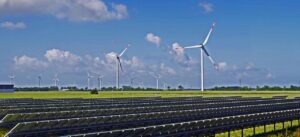

Renewable energy shapes today’s building plans in big ways. The shift to cleaner power speeds up around the world. Because of this, folks need solid and skilled renewable energy installers near me more than ever. This piece looks at the tech side, daily operations, and money matters of these installers. It uses a close-up view to break things down. We focus on ways to check their work, judge setup quality, and make sense of output numbers. These numbers tie into how well the system holds up over years.
What Are the Core Technical Competencies of Renewable Energy Installers Near Me?
A good renewable energy installer mixes careful planning with hands-on know-how. They build setups that fit local power rules, weather patterns, and what the customer wants for energy use. These skills decide if the job goes well. They also affect how long the whole setup lasts.
System Design and Engineering Accuracy
Any renewable job starts with solid planning. Installers check the site first. They figure out sun strength or wind power there. Then they suggest the right setup. Take PV systems, for example. Getting the tilt just right boosts yearly output. Even a small five-degree mistake cuts into how much power you get. So, tools like PVsyst or Helioscope help predict results accurately. I recall a project in a sunny spot where poor tilt planning lost about 10% of expected energy—real money down the drain over time.
Equipment Selection and Compatibility
How parts fit together sets the system’s strength. Installers pick inverters, panels, or turbines that match IEC standards and area rules. Mismatched gear often means more fixes or shorter life. In real setups, top monocrystalline panels with string inverters give better payback for home use. They beat out lower-cost polycrystalline options. Think about a family in Texas who chose mismatched parts—ended up with extra repair bills that ate into savings.
Installation Quality and Safety Compliance
Setup quality touches on safety and steady work. Good wire handling, ground links, and firm mounts separate pros from newbies. Lots of places now demand NABCEP certification. This covers North American Board of Certified Energy Practitioners standards. It makes sure they follow safety rules like NEC 690 for solar jobs. Skipping this can lead to risks, like a case I heard of where loose wiring sparked a small fire during a storm.
How Do You Measure the Performance Efficiency of Renewable Energy Systems?
Checking how well a system runs goes beyond seeing if panels make power. You need to look at change rates, wear-down speeds, and live data from monitors. These details let you spot if the installer keeps things running smooth year after year.
Performance Ratio and Yield Assessment
The performance ratio, or PR, shows how well a system turns sun into power you can use. It factors in losses. A PR over 80% points to strong setup work. Smart meters track this ongoing. You can match real output to what software predicts. For instance, in a mild climate like California, a good PR means you hit 95% of goals most months.
Degradation Rate Over Time
All renewable setups lose some output bit by bit. This comes from wear or weather hits. Normal solar panels drop about 0.5% each year in fair conditions. Top makers promise under 20% loss in 25 years through warranties. Always check this when picking an installer. It’s like watching a car rust—slow but steady if not cared for right.
Monitoring Systems and Data Analytics
New setups link to IoT tools for watching data. They track voltage changes, inverter work rates, and heat effects. Smart checks spot problems early. Things like shade blocks or inverter glitches get fixed fast. This cuts stoppages with ahead-of-time fixes. One farm setup I know used this to avoid a full week of downtime from a minor fault.
What Factors Influence Cost Variability Among Renewable Energy Installers?
Prices differ a lot between installers. This happens due to local worker pay, delivery paths, and tech picks. But breaking down costs shows if a bid offers real worth or just high add-ons. Sometimes, hidden fees pop up, like in older homes needing roof fixes.
Material Costs and Supply Chain Logistics
Where materials come from affects the full bill big time. Installers with ties to makers get lower prices on panels or batteries. They do better than those using middlemen. Shipping costs shift with distance from stock points or taxes on imports. In places far from ports, like rural Midwest, this can add 5-10% to the total.
Labor Expertise and Installation Timeframe
Worker pay makes up 10-15% of home project costs. It climbs for big business jobs needing extra planning. Skilled groups finish quicker and neater. This saves money over slower, less sure teams. A quick job in Florida wrapped in two days, while a rookie crew took a week and fixed errors later.
Incentives, Rebates, and Financing Options
Government help cuts the real cost a ton. The U.S. Investment Tax Credit, or ITC, knocks off up to 30% for fitting projects right now (U.S. Department of Energy, 2023). Area rebates or green loans lower the start cash too. Pick installers who know how to file these papers. It can shave thousands off, based on what I’ve seen in community projects.
How Do Environmental Conditions Affect Installer Performance?
Local weather guides how installers plan and choose parts. Smart ones tweak designs to handle heat spikes or shifting winds. Ignoring this leads to weak spots, like panels overheating in summer.
Temperature Coefficient Impact
Solar panel output falls when heat goes past 25°C test levels. Parts with small temperature coefficients, say -0.3%/°C to -0.4%/°C, hold up in warm spots like Arizona or south Spain. They outdo budget ones over -0.5%/°C. In hot days, this difference means 5-7% more power captured.
Wind Load Resistance in Structural Design
Wind turbines or roof solar in stormy coast areas need strong holds. Planners use ASCE 7-16 rules to gauge wind push. This stops lifts in gusts over 120 mph. A hurricane-prone setup in Florida used extra anchors and stood firm when others failed.
Dust Accumulation and Maintenance Schedules
Dust buildup cuts light catch by 10-15% in dry lands like Nevada or Aussie outback (National Renewable Energy Laboratory report, 2021). Installers with auto-clean tools or water-repel layers keep things clean without much hand work. Regular checks matter—once every few months in sandy zones prevents big drops.
Which Metrics Define Long-Term Reliability of Renewable Installations?
Steady metrics cover more than part toughness. They include how fast service responds and clear warranty details from local installers. Real reliability shows in tough times, not just sunny days.
Warranty Terms and Service Contracts
Installers give two main warranties. Makers cover gear for 10-25 years. Work guarantees fix setup slips for 5-10 years. Look over both for full safety nets. A solid one saved a neighbor from big repair costs after two years.
Maintenance Accessibility
How easy fixes are sets ongoing costs. Setups with easy-swap parts let you change bits without stopping everything. This helps business folks with spread-out systems. Modular designs cut hassle, especially in big factories.
Customer Support Responsiveness
Help after setup sets great providers apart. Quick teams with remote checks cut outage time. Check service pacts for response promises. In one outage story, fast help got power back in hours, not days.
How Can You Identify Reputable Renewable Energy Installers Near Me?
Choosing an installer means checking papers, not just ads. Clear records show real skill over hype. Start with locals who’ve done similar work nearby.
Certification and Accreditation Verification
Trusted installers have NABCEP badges in North America or MCS in the UK. These prove skill in wiring plans and safety rules. They match industry needs well.
Portfolio Review and Case Studies
Good companies share stories of past jobs. These range from small home roofs to huge plant arrays. They show how they handle different spots. Reviewing these builds trust, like seeing photos from a local school install.
Client Testimonials and Independent Reviews
What customers say points to steady service. Mix online thoughts with outside checks for true pictures. Long-term views beat quick takes. One review chain highlighted a firm’s quick fixes over years.
FAQ
Q1: What qualifications should I look for when hiring renewable energy installers near me?
A: Look for certifications like NABCEP or MCS accreditation along with documented experience handling similar project scales within your region’s climate zone.
Q2: How often should my solar panels be serviced?
A: Most experts recommend inspection every six months; however, frequency may increase in dusty environments where buildup affects light transmission efficiency.
Q3: Can renewable energy systems operate during grid outages?
A: Standard grid-tied systems shut down automatically during outages unless equipped with battery storage or hybrid inverter configurations designed for islanding operation modes.
Q4: What is a typical return-on-investment period for residential solar systems?
A: Depending on local electricity rates and incentives, ROI generally ranges between six to ten years for well-installed residential PV setups using mid-range equipment tiers.
Q5: Are there hidden costs associated with renewable installations?
A: Occasionally yes—costs like permit fees, structural reinforcements for older roofs, or interconnection upgrades may arise post-assessment but should always be disclosed upfront by transparent contractors.