
The business side of solar power often gets talked about when it comes to setup and how well it works, but upkeep—particularly washing the panels—can sneak up and change long-term profits. Dust, bird droppings, and pollution from the air slowly cut down a panel’s power to take in sunlight. The price for cleaning these panels changes a lot based on the size of the system, where it is, and how often you do it. This piece looks at how people figure out these prices, what things make them go up or down, and how they touch energy production and day-to-day work. Sometimes, folks forget that a little dirt can add up to big money lost over the years, like in a farm I heard about where they skipped cleanings and saw bills jump later.
What Determines the Solar Panel Cleaning Cost?
Solar panel cleaning cost isn’t some set number; it shifts around because of several real-world and weather-related parts. You could see two setups with the same power output end up with very different upkeep tabs just from their spot or how easy they are to reach. For example, a backyard system in the city might cost less to service than one out in the sticks.
Labor Rates and Service Models
Workers’ pay makes up the biggest chunk of solar panel cleaning cost. In places with better salaries or tougher safety rules, like California or Western Europe, the fees can run quite a bit higher than usual. Certain firms bill by each panel—often from $5 to $15 a piece—while others give a set price for home setups that starts near $150 a trip. Big business arrays usually work out deals based on megawatt size instead of single panels. It’s interesting how in busy markets, you might haggle for a better rate if you’re a repeat customer.
Equipment and Technology Used
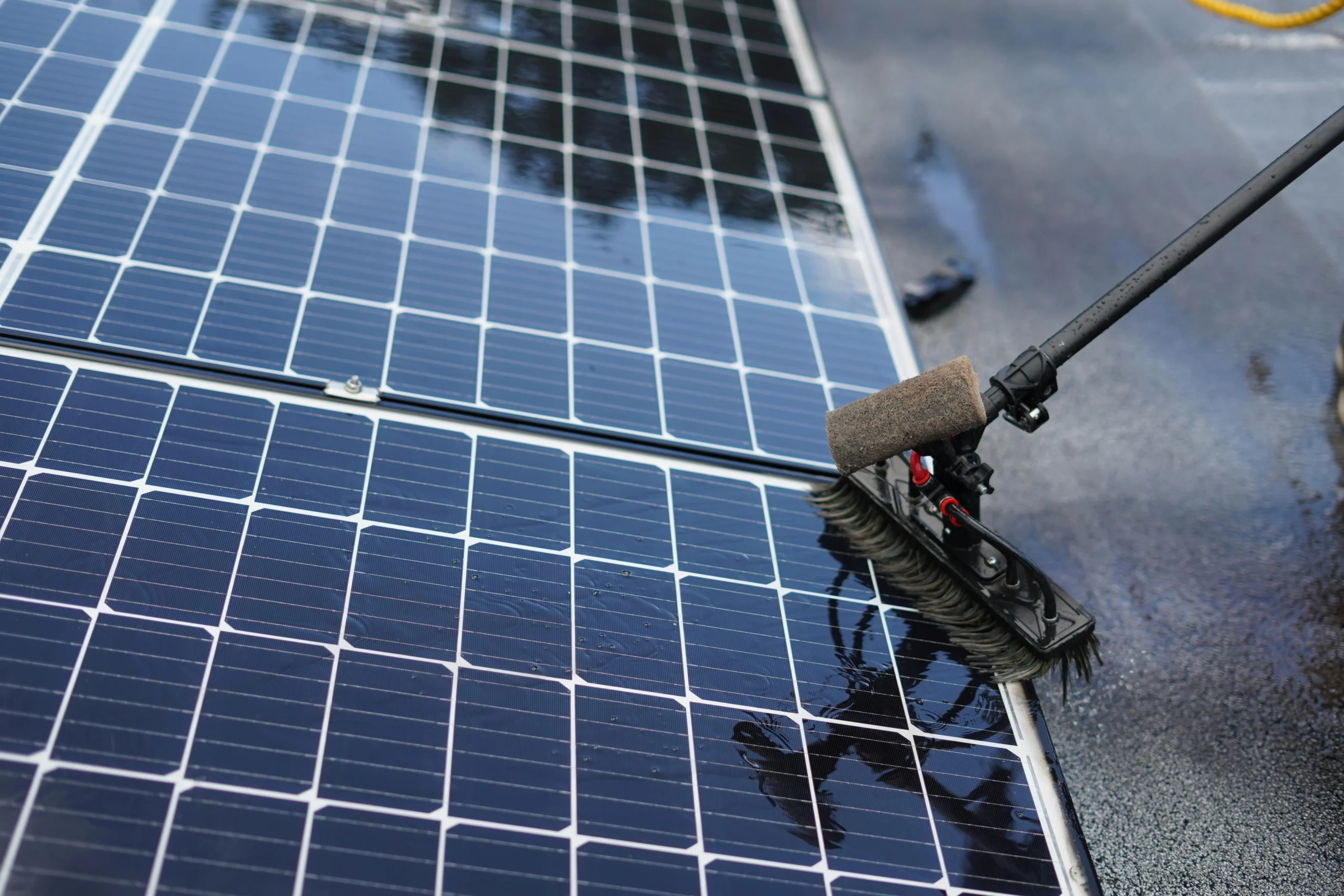
Hand washing with pure water and gentle brushes happens a lot still, but self-running robotic cleaners are showing up more in huge solar fields. These machines can cut water use by as much as 80% over hand methods (source: International Renewable Energy Agency, 2023). That said, buying the tech upfront can bump up costs right away, even if it saves on workers later. I’ve seen farms where robots paid off quick, but only after a rough first year of tweaks.
Frequency of Cleaning
How often you clean hinges on what’s around locally—panels in dry spots might need a wash every month from all the sand, while ones in milder areas could get by with just one or two times a year. Washing too much throws away cash with no real boost in output; skipping it too long causes power drops that hit over 20% in a year, per info from the National Renewable Energy Laboratory (NREL). So, finding that sweet spot matters a ton.
How Does Dirt Accumulation Affect Performance?
When grime piles up on the solar surfaces, it doesn’t only make them look dingy—it really hurts their work by stopping light from hitting the cells right. Think of it like a dirty window blocking your view; the same goes here.
Reduction in Energy Yield
Research points out that a light coat of dust can trim energy making by 4–6%. In spots with lots of smog or dryness, losses might climb to 25% if you go months without a wash (NREL report, 2022). For business folks running tons of setups, that drop turns into real money gone over time. One operator I read about in a dusty valley lost enough to cover a new truck in just one season.
Impact on Return on Investment
If you put off washing to pinch pennies at first, you could lose way more from less power made. Take a 100 kW roof setup dropping 10% in efficiency—it might skip out on about $1,500–$2,000 a year at typical U.S. power prices (EnergySage Market Data, 2023). Keeping up with washes helps make money-back times steady and stops surprise falls in production. It’s like regular oil changes for your car; skip them, and repairs cost more down the road.
Long-Term Degradation Risks
Piled-up junk can hold water next to the glass or eat away at metal edges as time goes on. This leads to bigger fix bills later—and maybe even fights over warranties if makers say you didn’t care enough. Staying ahead with upkeep beats fixing problems after they hit, in nearly all situations. Plus, in wet areas, that trapped moisture can lead to mold spots that are a pain to scrub off.
Are Automated Cleaning Systems Worth the Investment?
Self-running systems offer steady work and cheaper running costs, but you need to weigh the pluses and minuses before jumping in. They’re not a magic fix for every setup, especially smaller ones.
Capital Expenditure vs Operating Savings
Putting in robotic cleaners might tack on $0.05–$0.10 per watt to the start-up bill (BloombergNEF data, 2023). But they usually cover their cost in about three years by cutting worker pay and keeping things running smooth—especially for far-off or big power plant arrays where getting hands on site costs extra. In one case from a report, a desert farm saw payback in under two years thanks to no more truck trips for crews.
Water Conservation Benefits
In dry lands short on water, no-wet cleaners skip rinsing all together. This saves heaps of water each year and fits with green aims that many big buyers care about now when picking suppliers. It’s a win for the planet, and sometimes even gets you tax breaks in water-tight spots.
Maintenance Requirements of Automation
The machines need checks now and then, plus new parts like scrubbers or power cells. They cut down on people during runs, but you can’t skip care completely—a detail that trips up some planners when adding up full life costs. And if a robot breaks in the middle of nowhere, you’re back to calling in help anyway.
How Does Location Influence Cleaning Expenses?
Where you put the panels changes how fast they get dirty and what you’ll shell out to clean them. It’s all about the local vibe, from city hustle to quiet fields.
Urban vs Rural Installations
City roofs pick up gunk from car fumes and factory smoke quicker than country ones do from plain dirt. Yet, town setups are simpler to get to, which trims travel fees that country folks often pay more for. In a big town like New York, you might wait less for a crew, but the dirt from traffic is nonstop.
Climate Considerations
Dry areas call for regular washes because of flying sand; wet shore spots deal with salt crust instead. Cold places have to fight snow cover, not dust, but still pay when workers chip away ice by hand in winter. Each weather type brings its own headaches, like salt in Florida eating at frames faster than you’d think.
Local Market Competition
In towns with plenty of service outfits—like Phoenix or Sydney—rivalry can drop prices by up to 20%. Out-of-the-way spots without pros nearby add on big travel add-ons that push up the total bill. It’s why shopping around pays off if you’re not in a rush.
What Are the Typical Pricing Models Used by Cleaning Companies?
How they set prices matters as much as where you are. It shapes your wallet just like any local twist.
Per-Panel Pricing
This way works well for small home arrays since counting panels is easy. It keeps things clear, but it gets messy for giant sites because the paperwork piles up. For a 20-panel home, it’s straightforward math, no surprises.
Flat-Rate Contracts
Set-price deals draw in house owners who like knowing the cost ahead, no matter small changes in mess or rain over the months. You pay the same each time, which helps with budgeting around family stuff.
Subscription-Based Maintenance Plans
Business users lean toward yearly subs that mix checks, washes, and output reports into one payment—it smooths out planning while keeping sites in top shape across branches. Many firms bundle in tips on tweaks, making it feel like a full package.
How Can You Optimize Maintenance Scheduling Without Overpaying?
Matching clean times to real needs, not hunches, lets you keep panels shiny without extra spending. It’s about smart timing, not just doing it blind.
Using Performance Monitoring Tools
New box software watches output changes live and spots when dirt starts hurting production—it sends warnings before things get bad. This way, you act just in time, saving on needless trips. Pair it with a phone app, and you check from anywhere.
Seasonal Planning Strategies
Timing washes after flower dust peaks or big rains gets the most bang, since nature already wipes off some loose bits. In spring, for instance, waiting a week post-storm can cut your need for a full scrub.
Integration With Predictive Analytics
Some groups use sky photos mixed with smart dirt guess tools (from places like Sandia National Laboratories) to predict best wash times from weather and air speck counts. It feels high-tech, but really it’s just using data to avoid waste—like knowing a dust storm is coming and prepping ahead.
FAQ
Q1: How much does professional solar panel cleaning typically cost?
A: Home jobs often fall between $150–$400 a visit based on how big the setup is and how to reach it; business ones might charge by kilowatt power rather than panel count. Prices can wiggle with the season too.
Q2: How often should solar panels be cleaned?
A: Most pros say two times a year works for regular spots; but sandy areas could need it monthly, and wet ones less often. Check your output logs to fine-tune.
Q3: Does rainwater clean solar panels effectively?
A: A soft shower washes off easy bits but misses tough spots like poop or greasy films; you still need hands or machines for the best results. Heavy storms help more, but don’t count on them alone.
Q4: Are there risks associated with DIY cleaning?
A: Sure—tap water or rough tools can mark the glass and break warranty rules; bad setup around power lines risks shocks when things get wet. Better to call pros if you’re unsure, especially on sloped roofs.
Q5: Can automated cleaners replace human technicians entirely?
A: Not all the way; bots do the washing part well but need people to look for cracks or wire problems that go beyond just dirt. It’s a team effort, really—machines for the grunt work, eyes for the details.