
Start with the site, not the sale listing
Wind generators for sale can look straightforward online, but a productive small wind system is not a plug-and-play appliance. The key question is not which turbine shows the highest advertised wattage. It is whether the site has clean wind at tower height, whether local rules allow the required tower, whether the model has credible performance data, and whether the full installed system can produce electricity at a sensible cost. For U.S. buyers in 2026, the economics have also changed: according to IRS Form 5695 instructions, the federal residential clean energy credit that covered small wind costs through 2025 is no longer available for new residential expenditures after 2025. Buyers should compare equipment, permitting, interconnection and maintenance before paying a deposit. For more background on wind technology trends, see our wind energy insights.
The term wind generator is often used loosely. Some sellers mean a complete wind turbine package. Others mean only the generator head, blades or alternator inside a larger system. A workable project normally includes the turbine, tower, foundation, controls, inverter or battery equipment, wiring, disconnects, protection devices, installation labor, permits and a maintenance plan. If a listing does not clearly identify those items, it is not showing the real project cost.
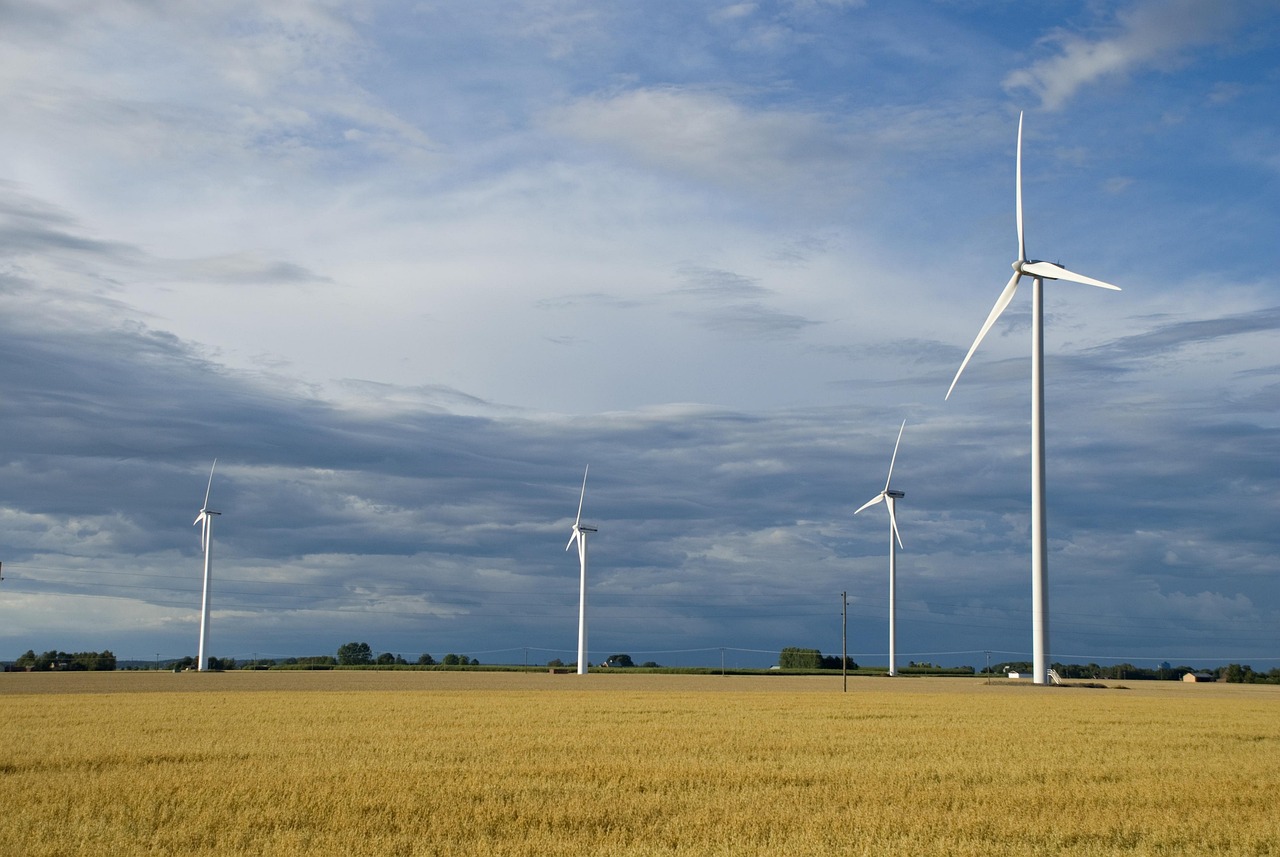
What kind of wind generator are you actually buying?
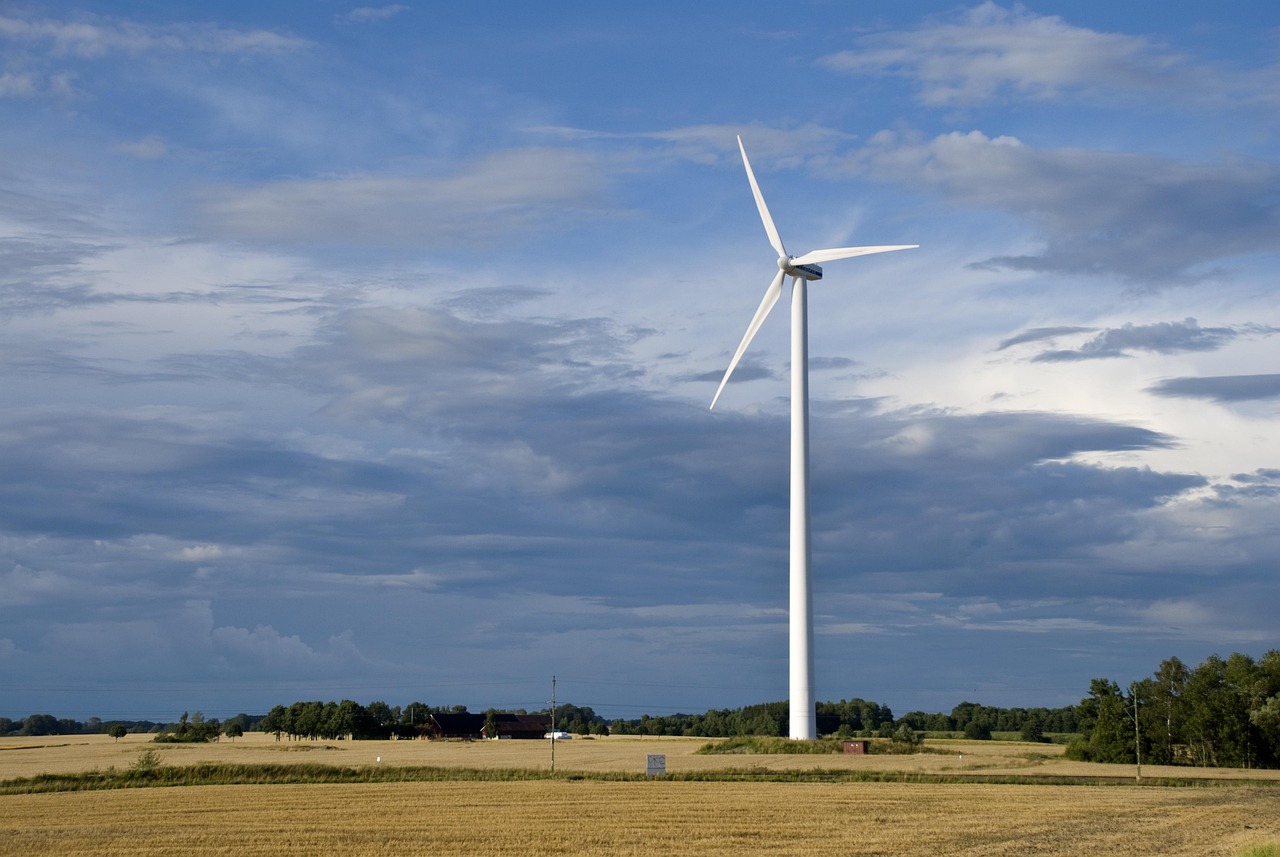
The first filter is project scale. The U.S. Department of Energy describes small wind turbines as machines rated up to 100 kilowatts and typically installed near the point of electricity use, including homes, farms, small businesses and remote facilities. That category is separate from utility-scale turbines. It is also different from tiny portable devices used for boats, cabins or battery charging.
For most buyers, wind generators fall into four practical groups:
- Micro wind systems: Usually used for boats, telecommunications, sensors, fences, lights or small battery banks. They can be useful for low-power loads, but they should not be treated as whole-home power systems.
- Residential and farm turbines: Often in the 1 kW to 20 kW range, depending on wind resource, energy demand, zoning limits and budget.
- Commercial or community-scale distributed wind: Larger machines serving schools, factories, municipal facilities, farms or local distribution systems.
- Hybrid wind systems: Wind paired with solar PV, batteries or backup generation to reduce reliance on a single resource.
Distributed wind remains a small but documented U.S. market. The Pacific Northwest National Laboratory 2024 Distributed Wind Market Report, covering projects through 2023, reported cumulative U.S. distributed wind capacity of 1,110 MW from more than 92,000 turbines across all states and several U.S. territories. The same DOE summary reported 1,994 small wind turbines installed in 2023, representing 2.3 MW of capacity and 15.2 million dollars in funding. Those figures show that small wind is a real market, but also a specialized one where project quality matters more than the lowest visible equipment price.
Wind resource decides most of the economics
Small wind follows a hard physical rule: energy output rises sharply with wind speed. The DOE Small Wind Guidebook explains the wind power relationship using wind speed cubed, meaning a modest increase in average wind speed can create a much larger increase in available power. That is why two turbines with the same nameplate rating can deliver very different annual energy if one is on a short tower in turbulent air and the other is on a tall tower in open terrain.
Before comparing prices, ask three site questions:
- Is there open exposure? Productive locations are often rural, coastal, on ridgelines, on open plains or away from tall trees and buildings. Turbulence can reduce output and increase mechanical stress.
- Can you install a suitable tower? A short tower may be easier to permit, but poor tower height can turn a good turbine into a disappointing project. Guyed towers may cost less, although they require more land area for guy wires.
- Do you have measured or credible wind data? Regional wind maps are only a screening tool. Complex terrain, tree lines and nearby structures can change the wind resource over short distances.
A common mistake is buying a turbine based on rated power alone. Rated power is usually measured at a specific wind speed that may be higher than the site normally experiences. Annual energy production in kilowatt-hours is a better buying metric because electricity bills are based on energy, not peak output.
How to compare specifications without being misled
Good small wind suppliers should be able to provide a power curve, expected annual energy output at different average wind speeds, tower options, acoustic data, survival wind speed, warranty terms and certification status. If a seller promotes only peak watts and a low price, the offer is incomplete.
| Specification | Why it matters | What to ask the seller |
|---|---|---|
| Rated power | Shows output at a stated wind speed, but not yearly production. | At what wind speed is the rating measured? |
| Rotor diameter | Rotor swept area affects how much wind energy the turbine can capture. | What is the rotor diameter and swept area? |
| Annual energy production | Best practical indicator of bill offset under assumed site conditions. | What kWh per year is expected at 5 m/s, 6 m/s and my estimated site speed? |
| Certification | Independent testing reduces the risk of exaggerated claims. | Is the model certified under ACP, AWEA, IEC or another recognized small wind standard? |
| Tower requirement | Tower height and type affect energy output, cost, zoning and maintenance. | What tower heights are approved for this turbine? |
| Warranty and parts | Small wind systems need long-term support, not just shipment. | Who handles warranty service and where are replacement parts stocked? |
Certification is especially important because the small wind market has a history of over-optimistic claims. The International Code Council Small Wind Certification Council states that small distributed wind turbine certifications now use the American Clean Power ACP 101-1 standard for machines below 150 kW peak power, while legacy certifications may use the earlier AWEA small wind standard. Certification does not make a poor site perform well, but it gives buyers a more reliable basis for comparing models.
Total installed cost is more than the turbine price
A low equipment price can become expensive if the quote excludes the tower, foundation, crane work, trenching, electrical protection, inverter, battery system, interconnection application, structural review or maintenance access. For grid-connected systems, the inverter and protection equipment must meet utility requirements. For off-grid systems, batteries and controls can represent a major share of the budget.
Buyers should request a full installed-cost breakdown with at least these categories:
- Turbine, blades, controller and safety equipment
- Tower, guy wires or freestanding tower structure
- Foundation, excavation, concrete and site work
- Electrical wiring, disconnects, grounding and surge protection
- Inverter, charger or battery equipment where applicable
- Permitting, engineering, utility interconnection and inspection fees
- Installation labor, crane or lift equipment and commissioning
- Routine maintenance, replacement parts and monitoring
Federal incentives also need careful handling. IRS 2025 instructions for Form 5695 say the residential clean energy credit rate for property placed in service from 2022 through 2025 was 30%, and that residential clean energy credits cannot be claimed for expenditures made after December 31, 2025. For a homeowner considering a new purchase in 2026, old 2032 tax-credit assumptions should not be used without updated tax advice. Farms, rural businesses and commercial buyers may have different programs or tax rules, including grants or business energy credits, but eligibility depends on project type, ownership, timing and current guidance.
Grid-tied, off-grid or hybrid changes the design
A grid-tied wind generator usually aims to offset electricity use over time. The utility grid acts as the balancing resource when wind output is lower than demand or when the turbine produces more than the site can immediately use. Net metering and net billing rules vary by state and utility, so the value of exported electricity should be confirmed before the project is priced. See also: clean energy.
An off-grid system has a different job. It must keep loads supplied when the wind is weak, which makes batteries, backup generation and load management central design elements. In many remote locations, wind is paired with solar because the two resources may be stronger at different times. A hybrid system can improve resilience, but it also requires controls that prevent overcharging, protect batteries and manage dump loads or curtailment.
Rooftop wind should be treated cautiously. Buildings create turbulence, vibration and noise challenges, and many roof-mounted products have limited swept area. In most serious small wind projects, a properly sited tower in clean airflow is more important than attaching a turbine to the nearest structure.
A practical buyer checklist
Use this checklist before comparing final bids:
- Confirm that local zoning allows the required tower height and total turbine height.
- Estimate annual electricity demand in kWh, not just peak load in kW.
- Obtain wind data or a professional site assessment for the proposed tower location.
- Ask for annual energy output at your expected hub-height wind speed.
- Verify certification, warranty, installer experience and parts availability.
- Request a complete installed-cost quote rather than a turbine-only price.
- Check utility interconnection rules before equipment is ordered.
- Model payback using conservative output, realistic maintenance costs and current incentives only.
Red flags include unrealistic whole-home claims from very small rotors, no tower recommendation, no annual energy estimate, no certification record, unclear warranty service, or sales language that treats turbulent urban rooftops as equivalent to open rural sites. A careful buyer should also ask for references from similar installations, but testimonials should not replace measured performance data.
What the broader market says about timing
Wind remains an important part of the power system. The U.S. Energy Information Administration reported that wind generated about 464 billion kWh of U.S. electricity in 2025, equal to roughly 11% of utility-scale generation. That large national role does not mean every property is suitable for a small turbine. Utility-scale wind benefits from tall towers, professional siting, large rotors, specialized maintenance and strong wind resources. Small wind must be evaluated one site at a time.
For buyers, the timing message is mixed. Technology and certification practices are more mature than in the early small wind market, and hybrid systems can be more capable because battery and inverter options have improved. At the same time, U.S. residential federal tax support changed after 2025, permitting can be local and strict, and the installer network is thinner than for rooftop solar in many regions. The most sensible approach is to treat a wind generator purchase as an energy project, not a catalog order.
Frequently asked questions
Can a small wind generator power a whole house?
It can in some windy rural locations, but not every site can support that goal. The DOE guide notes that a typical U.S. home may need a turbine in the 5 kW to 15 kW range to make a significant contribution, depending on average wind speed and electricity use. Efficiency improvements, realistic wind data and a suitable tower should come before turbine sizing.
Is a higher watt rating always better?
No. A higher rating may apply only at wind speeds the site rarely sees. Rotor diameter, annual energy production, certified power curves and hub-height wind speed are more useful than peak wattage alone.
Do small wind turbines need maintenance?
Yes. Maintenance may include inspections, bolt and guy wire checks, electrical testing, brake or control checks, blade inspection, lubrication where applicable and replacement of wear parts. The seller should explain the maintenance interval and who can perform service locally.
Are cheap roof-mounted wind generators worth it?
They may be useful for niche battery-charging needs, but buyers should be cautious about expecting major bill savings. Rooftops often create turbulent wind, and very small rotors limit energy capture. A tower-mounted turbine in clean airflow is usually a more credible option for meaningful production.
What is the most important document to request before buying?
Ask for an annual energy estimate based on the expected hub-height wind speed, supported by a power curve and clear assumptions. If the seller cannot provide that, the project cannot be compared fairly against solar, storage, efficiency upgrades or grid electricity.