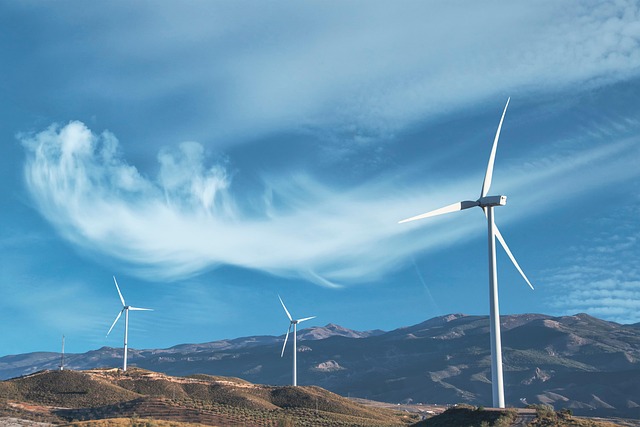

Aeolic Energy Park in Kythnos Island
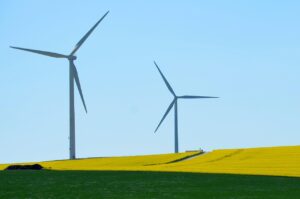
Kythnos Island stands as one of the earliest Greek territories to experiment with aeolic energy integration. The island’s wind park demonstrates how small-scale systems can drive national decarbonization goals while maintaining grid stability. Aeolic energy, when strategically developed, not only reduces fossil fuel dependency but also strengthens the economic resilience of remote communities. The case of Kythnos shows that localized renewable infrastructure can serve as a blueprint for sustainable island electrification across the Aegean.
The Strategic Importance of Aeolic Energy for Kythnos Island
The development of aeolic energy on Kythnos is not an isolated effort but part of Greece’s broader renewable transformation. Islands like Kythnos play a pivotal role in testing hybrid models that combine wind, solar, and storage technologies under real-world constraints.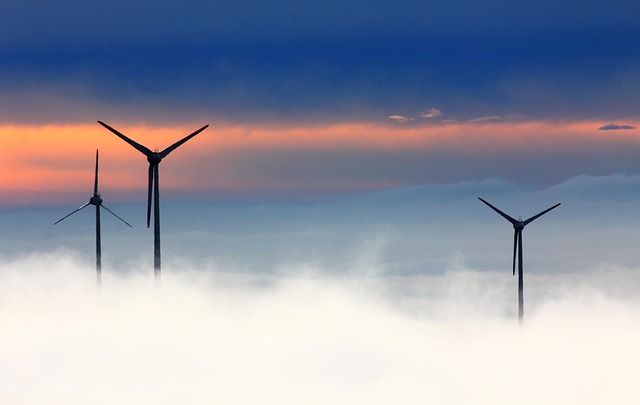
Positioning Aeolic Energy Within the Broader Energy Transition Framework
Aeolic energy forms a central pillar in Greece’s renewable roadmap, contributing to its 2030 National Energy and Climate Plan. Wind projects across the Aegean are designed to replace diesel-based systems that have long powered insular grids. In this context, aeolic installations on Kythnos act as micro-laboratories for distributed generation, showcasing how small islands can feed clean electricity into regional networks without compromising reliability.
Geostrategic and Environmental Context of Kythnos
Kythnos lies between Kea and Serifos, exposed to strong northern Meltemi winds that persist through most of the year. Average wind speeds exceed 7 m/s at 10 m height—ideal for turbine operation within IEC Class II standards. The island’s rocky terrain and sparse vegetation minimize ecological disruption from turbine foundations. Careful siting avoids migratory bird paths and preserves visual harmony with traditional settlements.
Technical and Infrastructural Aspects of Aeolic Energy Development on Kythnos
Beyond favorable geography, technical design determines whether aeolic systems can operate efficiently within constrained island grids. Engineers must balance output variability with limited transmission capacity and storage availability.
Wind Resource Assessment and Site Optimization
Wind resource mapping involves long-term anemometric measurements at multiple elevations to capture turbulence intensity and seasonal variation. Computational fluid dynamics (CFD) models simulate wake effects among turbines positioned along ridgelines. These simulations guide micro-siting decisions that maximize annual energy production while minimizing mechanical stress. The grid interconnection uses medium-voltage lines with reactive power compensation to maintain voltage within ENTSO-E limits.
Integration with Existing Energy Systems
Kythnos’ hybrid system couples aeolic generation with photovoltaic panels and battery storage units installed near Loutra substation. This combination smooths supply fluctuations during low-wind periods. Smart grid controllers adjust load priorities based on real-time frequency data, preventing outages common in isolated systems. Frequency stability remains a challenge since inertia from rotating masses is limited; thus, virtual inertia algorithms are deployed through inverter control schemes.
Economic and Developmental Impacts of Aeolic Energy on Kythnos
The introduction of aeolic infrastructure has reshaped local economic dynamics by creating skilled employment opportunities and reducing reliance on imported fuels.
Local Economic Stimulation through Renewable Infrastructure
Construction phases engage local contractors for civil works, logistics, and maintenance support. During operation, technicians trained in turbine servicing contribute to steady employment beyond tourism seasons. Local enterprises benefit from ancillary services such as transport or component storage, while municipal budgets gain from lease agreements tied to land use.
Cost-Benefit Evaluation in Island Contexts
On small islands, the levelized cost of aeolic electricity typically ranges between €0.08–€0.12 per kWh—significantly lower than diesel generation exceeding €0.25 per kWh when fuel transport is included. Public-private partnerships backed by EU cohesion funds reduce upfront capital risks for developers. Lifecycle analyses show that even after decommissioning costs, aeolic systems retain positive net present value due to avoided fuel imports over two decades.
Policy, Regulation, and Governance Frameworks Supporting Aeolic Projects
Policy coherence between national strategies and European directives ensures that projects like Kythnos’ wind park align with long-term decarbonization targets while respecting local governance autonomy.
National and EU-Level Policy Alignment
Greek law facilitates renewable deployment through streamlined permitting for islands under the Clean Energy for EU Islands Initiative. These frameworks align with the European Green Deal’s objective to achieve climate neutrality by 2050. Permitting emphasizes environmental compatibility assessments specific to insular ecosystems rather than mainland industrial zones.
Community Engagement and Governance Models
Public acceptance plays a decisive role in project longevity. On Kythnos, participatory workshops allowed residents to influence turbine placement zones before construction began. Cooperative ownership structures grant locals partial revenue shares from generated power, reinforcing social trust in renewable transitions.
Environmental Performance and Sustainability Metrics of Aeolic Installations
Sustainability metrics extend beyond carbon savings; they encompass biodiversity protection, visual integration, and material circularity throughout each turbine’s lifecycle.
Assessing Ecological Footprint of Wind Infrastructure on Kythnos
Environmental impact studies confirm minimal disturbance to endemic flora since turbines occupy previously degraded grazing land. Avian monitoring programs track migratory species during spring and autumn passages using radar-assisted observation systems compliant with ISO 14001 environmental management standards. Blades are coated with matte finishes to reduce glare against coastal landscapes.
Contribution to Carbon Neutrality Goals in Insular Systems
Replacing diesel generators with aeolic capacity cuts annual CO₂ emissions by roughly 3,000 tons per MW installed capacity based on IEA emission factors. When combined with solar PV arrays already operating on the island, total renewable penetration exceeds 80% during peak production months—a tangible step toward carbon-neutral island networks envisioned under regional sustainability plans.
Future Prospects for Aeolic Energy Expansion in the Cyclades Region
Looking ahead, technological progress will refine turbine adaptability to complex island topographies while fostering collaborative frameworks across neighboring islands like Serifos or Syros.
Technological Innovations Driving Efficiency Improvements
Next-generation turbines incorporate modular towers suitable for narrow island roads and lightweight composite blades resistant to salt corrosion. Offshore potential around western Kythnos offers new avenues for medium-depth floating platforms tested under EU Horizon programs. Predictive maintenance using AI-driven vibration analysis extends component lifespan beyond conventional service intervals.
Regional Collaboration and Knowledge Transfer Opportunities
Shared grid infrastructure among Cycladic islands could reduce redundancy costs while stabilizing collective demand peaks through inter-island cables supported by Hellenic Transmission Operator initiatives. Research partnerships between universities in Athens and local utilities explore digital twin models replicating real-time wind farm behavior—tools later transferable across other Aegean microgrids positioning Kythnos as a pilot hub for sustainable island energy systems.
FAQ
Q1: Why was Kythnos chosen for early aeolic development?
A: Its strong Meltemi winds, compact grid size, and proximity to mainland Greece made it ideal for testing hybrid renewable systems under controlled conditions.
Q2: How does aeolic energy benefit local residents economically?
A: It lowers electricity costs over time by replacing expensive diesel imports while generating stable employment in technical maintenance roles.
Q3: What environmental safeguards exist around turbine installations?
A: Projects undergo biodiversity assessments ensuring minimal impact on bird migration routes and use materials designed for recyclability at end-of-life stages.
Q4: Can aeolic power alone meet all island demand?
A: Not entirely; it works best when combined with solar PV and battery storage forming balanced hybrid systems suited for variable weather patterns.
Q5: What lessons from Kythnos apply elsewhere in Greece?
A: The integration model demonstrates how community participation, smart grid control, and diversified renewables can jointly secure reliable clean power across other Greek islands.