
Why Is Offshore Wind Energy Getting So Much Attention?
Offshore wind energy is now a regular topic for utilities, coastal factories, ports, and clean power buyers. Wind at sea is often stronger and more stable than wind on land, so the power output can be attractive. If you are comparing renewable power options or building a supply chain around wind energy, offshore projects are worth checking. They are not easy projects, and the permitting file can feel as long as the sea cable, but the project size can be large.
Stronger Wind Resources at Sea
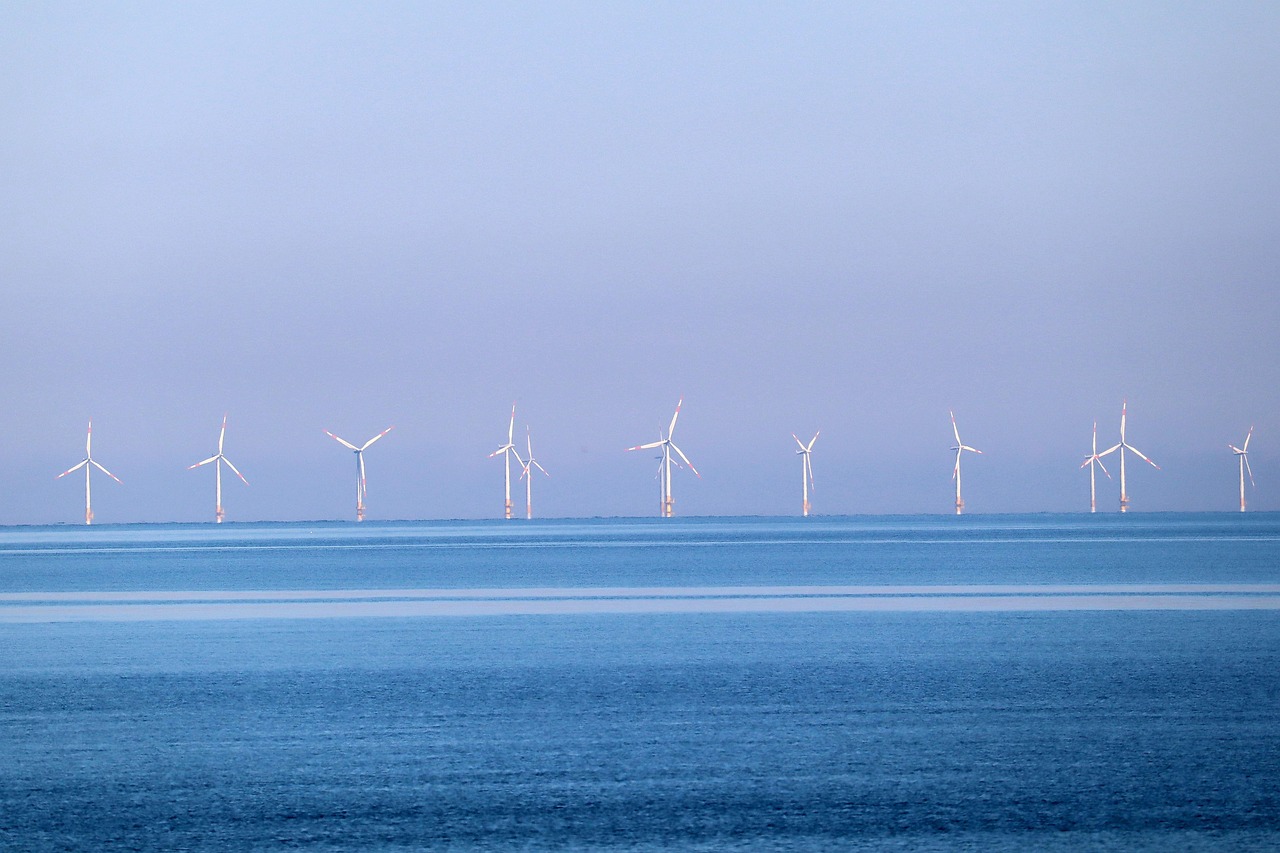
Wind speeds over open water are usually higher because there are fewer buildings, hills, and trees in the way. This matters because even a small rise in wind speed can lead to a much bigger rise in electricity output. Offshore turbines can also be arranged in large groups away from tight land areas. For coastal demand centers, that can make offshore wind a practical way to bring clean power closer to cities, ports, and factories.
A Growing Global Market
The market is no longer just a group of early European projects. The Global Wind Energy Council reported in its 2025 Global Offshore Wind Report that worldwide offshore wind capacity reached about 83 GW after roughly 8 GW was added in 2024. GWEC also forecast long-term growth, with total capacity potentially reaching 441 GW by the end of 2034 if policy, grids, and supply chains keep moving. (gwec.net)
Cleaner Power Near Coastal Demand
Many large cities, data centers, ports, chemical plants, and export manufacturers are close to the coast. Offshore wind can supply those loads without taking the same land area as onshore projects. The International Energy Agency said in its Renewables 2025 analysis that renewables could rise from 32% of global electricity generation in 2024 to 43% by 2030. It also said offshore wind expansion is expected to more than double the growth seen in the previous five years. (iea.org)
How Does Offshore Wind Energy Actually Work?
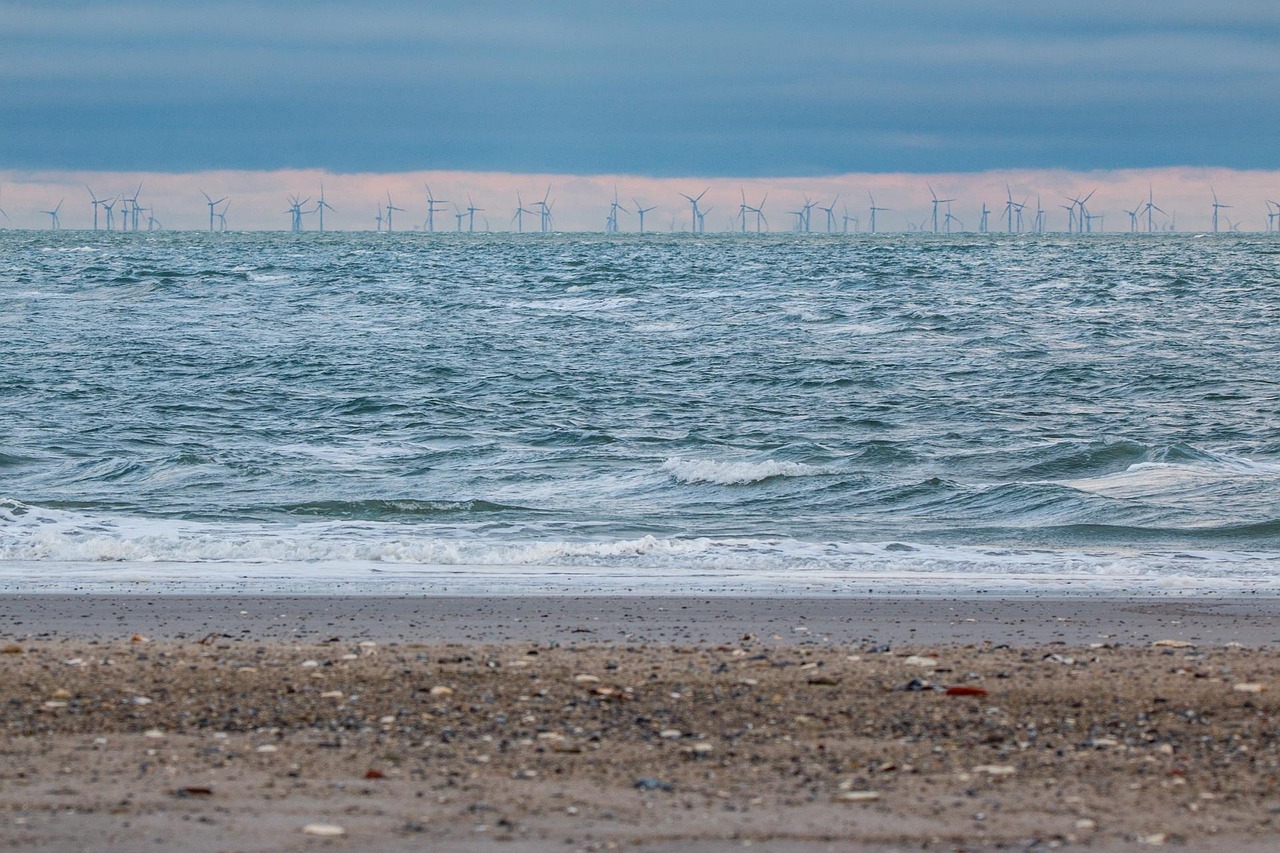
From shore, an offshore wind farm looks simple: turbines in the water, blades turning, and power moving back to land. On the project side, there are many parts to manage. The job includes the turbine, foundation, subsea cable, offshore substation, export cable, grid connection, vessels, weather windows, and long-term service work. One weak item can slow the whole schedule.
Turbines Turn Sea Wind Into Electricity
Large blades catch the wind and turn a rotor linked to a generator. Modern offshore turbines are often bigger than onshore models because there is more space at sea and fewer road transport limits. Bigger machines can reduce the number of turbine positions in a project, but they also need heavier installation vessels and stronger port equipment. A good project matches turbine size with what the local supply chain can actually handle.
Foundations Hold the Turbines in Place
Most commercial offshore wind farms use fixed-bottom foundations in shallower water. Monopiles are common at many sites, while jackets or gravity-based structures may suit other seabed conditions. In deeper water, floating platforms become more important. The U.S. Department of Energy has reported very large technical resource potential in American waters, including about 1.5 TW for fixed-bottom areas and 2.8 TW for floating offshore wind areas across the contiguous United States. (energy.gov)
Cables Carry Power Back to Shore
Electricity moves from each turbine through array cables to an offshore substation, then goes by export cable to land. Grid connection can decide whether a strong wind site becomes a financeable project. Long cable routes, busy seabeds, fishing areas, and port traffic can all add cost and delay. A drawing may show a straight cable route to shore, but the real route often has to bend around practical issues.
What Makes Offshore Wind Energy Different From Onshore Wind?
Both technologies use moving air to generate electricity, but the business case is different. Offshore wind usually offers higher production potential, larger turbines, and access to coastal loads. It also brings higher construction cost, harder maintenance, and more marine permitting. So the question is not simply offshore versus onshore. It depends on site quality, grid needs, local policy, and buyer goals.
Higher Output Potential
Offshore sites often have better wind profiles and fewer obstacles. That can support higher capacity factors than many land-based sites, depending on the location and turbine design. The National Renewable Energy Laboratory’s 2024 Annual Technology Baseline looks at offshore wind project economics through key drivers such as capital cost, operations and maintenance, and capacity factor. The point is simple: high energy output only helps if the full project cost stays under control. (atb.nrel.gov)
More Complex Construction
Onshore wind crews can often reach a turbine by road. Offshore crews need vessels, cranes, port staging areas, trained marine labor, and workable weather. A few rough days can delay installation, and heavy components have to be lifted at sea rather than in a yard. That is why ports with deep water, strong quays, and large storage space become important in offshore wind regions.
Different Community Questions
Onshore wind projects may face questions about land use, views, noise, and local roads. Offshore wind brings different concerns, including fishing, shipping routes, marine habitats, coastal views, and naval activity. Good planning will not remove every conflict, but early talks can reduce late surprises. For buyers, a project with smoother local coordination may carry less schedule risk than a project that only looks cheaper on paper.
Where Are the Main Costs and Risks?
Offshore wind can deliver large volumes of clean power, but it needs heavy upfront spending. The main issue is not whether the wind resource exists. The harder question is whether the project can secure permits, equipment, grid access, financing, vessels, and long-term service at a price the power market can support. This is where many projects are tested.
Capital Cost and Financing Pressure
Foundations, turbines, vessels, substations, subsea cables, insurance, and grid works make offshore wind costly before the first kilowatt-hour is sold. Higher interest rates can hit these projects hard because spending starts years before revenue. IRENA’s Renewable Power Generation Costs in 2024 report noted that global offshore wind capacity stood near 82.9 GW. It also said new additions in 2024 fell by 26% year on year to about 8.6 GW, which shows how market pressure can slow buildout even when long-term demand is still strong. (irena.org)
Supply Chain Bottlenecks
Large turbines need rare earth magnets, steel, castings, blades, cables, and specialized installation ships. If one category is short, the delay can spread across the whole schedule. The IEA has warned that supply chain limits may delay offshore wind projects in regions with ambitious 2030 targets. This is especially true where new manufacturing and vessel capacity do not come online fast enough. (iea.org)
Operations in Harsh Weather
After the project starts running, maintenance is still a serious job. Salt, waves, lightning, humidity, and hard-to-reach nacelles make offshore service tougher than sending a truck to an onshore turbine. Good monitoring systems, spare part planning, and safe vessel access can reduce downtime. The plain work, such as corrosion checks and cable inspections, often protects the project value. See also: clean energy.
How Can Buyers Evaluate an Offshore Wind Project?
If you buy renewable power, invest in equipment, or support a coastal energy plan, you need a clear checklist. Headline capacity is only one part of the project. A 1 GW project sounds strong, but if permits, cables, vessels, or grid upgrades fall behind, the value can change quickly.
Check the Site and Wind Data
Reliable wind data should come from long measurement periods, sound modeling, and site-specific studies. Buyers should ask about wind speed, water depth, seabed conditions, typhoon or hurricane exposure, wake effects, and distance to shore. A strong site is not only windy. It also has to be buildable, connectable, and serviceable.
Review Grid and Port Readiness
Grid connection is often the quiet bottleneck in offshore wind. Ask whether onshore substations are ready, whether transmission upgrades are funded, and whether the export cable route is permitted. Port capability also needs a close look. Can the port handle blades, nacelles, towers, floating foundations, or monopiles, and does it have enough laydown space? If not, the project may need costly work before construction even starts.
Look at Contracts and Delivery Track Record
Power purchase agreements, auction prices, inflation clauses, and equipment contracts all affect project health. A low power price can look good to a buyer, but it may create pressure if steel, vessels, or financing costs rise. Project sponsors with real offshore experience, steady suppliers, and clear risk sharing often justify a higher price. Cheap energy only helps when it is actually delivered.
Is Offshore Wind Energy a Good Fit for Your Clean Power Strategy?
Offshore wind energy is not the answer for every market. Some inland regions may get better value from solar, storage, or onshore wind. Coastal regions with strong wind, limited land, useful ports, and large electricity demand may see a better fit. The practical goal is to use each technology where it works best, not force one resource into every situation.
Best Fit for Coastal Load Centers
Offshore wind can serve ports, coastal factories, desalination plants, green hydrogen hubs, and large urban grids. It can also work well with solar because offshore wind often produces in different weather patterns and seasons. For an industrial buyer with nighttime demand, this can be useful. The actual value depends on the local grid mix and market rules.
Strong Role in Industrial Decarbonization
Heavy industry needs large power volumes, not just clean branding. Offshore wind can support steel, chemicals, shipping fuels, and battery supply chains when it is paired with firm contracts and grid upgrades. It may also help ports become energy hubs, with cable landing points, service vessels, assembly yards, and skilled jobs. Even then, the industrial plan has to be built around realistic delivery dates.
Clear Need for Better Planning
The strongest offshore wind markets usually have clear seabed leasing, stable revenue rules, port investment, grid planning, and community engagement. If these pieces are missing, delays become more likely. For buyers and suppliers, it is not enough to study only the turbine technology. Local policy, grid work, port capacity, and delivery chain all matter because sea wind is strong, but paperwork and cables still decide a lot.
FAQ
Q1: Is Offshore Wind Energy More Reliable Than Solar Power? A: It depends on the site, but offshore wind often produces at different hours and seasons than solar. That can make it useful in a mixed renewable power portfolio.
Q2: Why Are Offshore Wind Projects So Expensive? A: They need large turbines, marine foundations, subsea cables, offshore substations, installation vessels, ports, insurance, and long-term service teams. Financing costs also matter because spending starts years before revenue.
Q3: What Is the Difference Between Fixed-Bottom and Floating Offshore Wind? A: Fixed-bottom turbines are attached to the seabed in shallower water. Floating turbines sit on floating platforms held by mooring lines, so they are useful for deeper water sites.
Q4: Can Offshore Wind Energy Support Green Hydrogen? A: Yes, in some coastal regions. Large offshore wind projects can supply power for electrolyzers, but the business case needs steady demand, water supply, grid planning, and bankable contracts.
Q5: What Should You Check Before Buying Offshore Wind Power? A: Check the project site, wind data, permits, grid connection, port access, supplier strength, contract terms, and sponsor track record. Capacity alone does not prove a project is low risk.